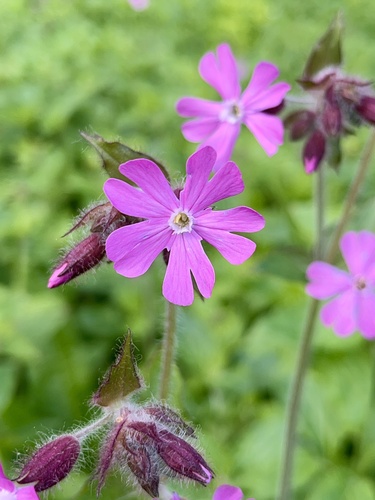
Myosoton aquaticum - (L.)Moench.
(L.)Moench.
Water Chickweed, Giantchickweed
gbif· cc-by
GBIF
gbif· cc-by
GBIF
gbif· cc-by
GBIF
Description
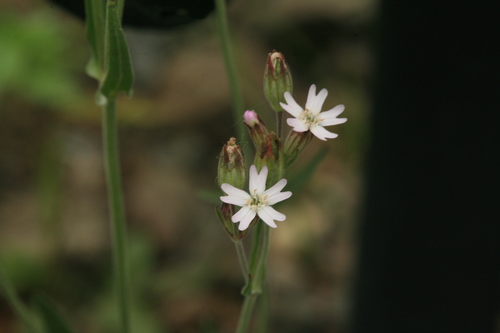
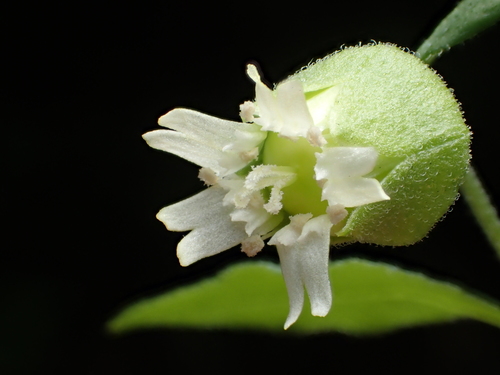
Myosoton aquaticum is a ANNUAL/PERENNIAL growing to 0.6 m (2ft). It is in flower from July to August. The species is hermaphrodite (has both male and female organs) and is pollinated by Flies, bees. Suitable for: light (sandy), medium (loamy) and heavy (clay) soils. Suitable pH: mildly acid, neutral and basic (mildly alkaline) soils. It can grow in semi-shade (light woodland) or no shade. It prefers moist or wet soil and can grow in water.
Edible Uses
Young leaves and stems - cooked. Sweet and tender, they are very rich in minerals. A famine food that is only used in times of scarcity.
Medicinal Uses
GalactogogueA decoction of the leaves is used as a galactogogue. The plant is used in the treatment of fistula.
Distribution
Europe, including Britain but excluding the Arctic, east through temperate Asia.
Where It Grows
TEMPERATE ASIA: Iran, Turkey, Russian Federation-Ciscaucasia (Ciscaucasia), Armenia, Azerbaijan, Russian Federation (Dagestan), Russian Federation (Altay, Krasnoyarsk (south), Kurganskaja oblast, Novosibirsk, Omsk, Tomsk), Kazakhstan, Kyrgyzstan, China, Japan TROPICAL ASIA: India (north), Pakistan (north) EUROPE: Denmark, Finland (south), United Kingdom, Norway (south), Sweden (south), Austria, Belgium, Switzerland, Germany, Hungary, Netherlands, Poland, Slovakia, Russian Federation (European part), Estonia, Lithuania, Latvia, Moldova, Ukraine (incl. Krym), Albania, Bulgaria, Greece, Croatia, Italy (incl. Sicily), North Macedonia, Romania, Slovenia, Spain (northeast), France (incl. Corsica), Portugal
Cultivation
See details above on native habitat for ideas on the plants cultivation needs.
Propagation
Seed - probably best sown in situ as soon as it is ripe.