Cerastium viscosum
L.
iNaturalist· cc-by-nc
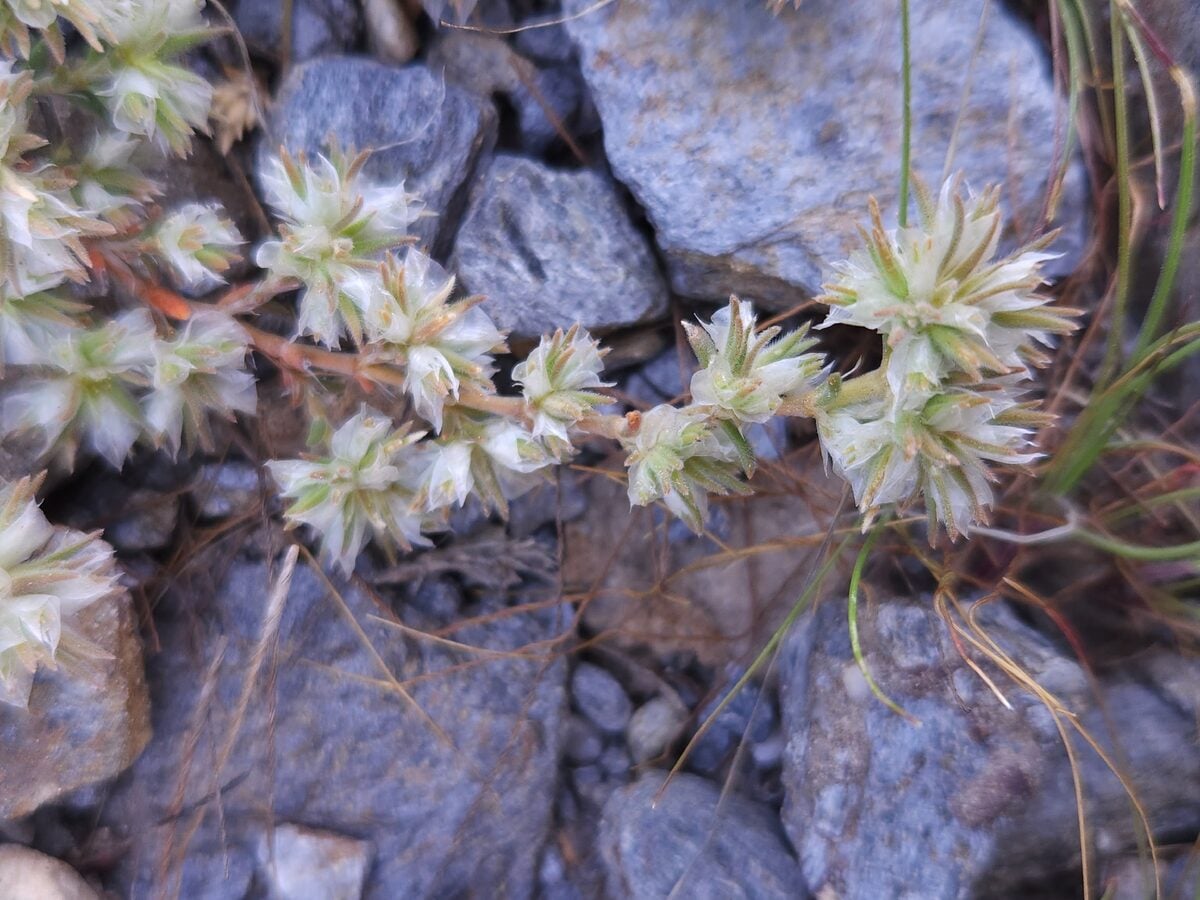
(c) Ivlev-Konstantin-Sergeevith, some rights reserved (CC BY-NC)
iNaturalist· cc-by-nc
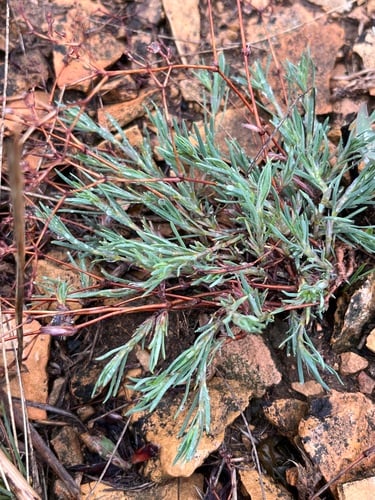
(c) Ivlev-Konstantin-Sergeevith, some rights reserved (CC BY-NC)
iNaturalist· cc-by-nc
(c) Ivlev-Konstantin-Sergeevith, some rights reserved (CC BY-NC)
Summary
Source: WikipediaCerastium viscosum is an annual growing to 0.3 m tall. The hermaphroditic plant is self-fertile. It grows in light sandy, medium loamy, or heavy clay soils with mildly acid to basic pH, requires full sun, and prefers moist conditions.
Description
Cerastium viscosum is an annual growing to 0.3 m tall. The hermaphroditic plant is self-fertile. It grows in light sandy, medium loamy, or heavy clay soils with mildly acid to basic pH, requires full sun, and prefers moist conditions.
Edible Uses
Leaves and young shoots are edible. No further preparation details are given.
Medicinal Uses
The plant has anodyne and astringent properties. The juice is applied to the forehead to relieve headaches and dropped into the nostril to treat nosebleeds.
Distribution
It is a temperate plant.
Where It Grows
Asia, Europe, USA,
Cultivation
We have very little information on this species and do not know if it will be hardy in Britain, though judging by its native range it should succeed outdoors in many parts of this country. It is likely to require a moist soil in light shade. According to some botanists this species is no more than a synonym for C. holosteoides.
Propagation
Sow seed in spring in a cold frame. Once seedlings are large enough to handle, prick them out into individual pots and plant into permanent positions during summer.
Other Uses
None known.
Notes
There are about 100 Cerastium species.
Synonyms
References (1)
- Plants for a Future database, The Field, Penpol, Lostwithiel, Cornwall, PL22 0NG, UK. http://www.scs.leeds.ac.uk/pfaf/