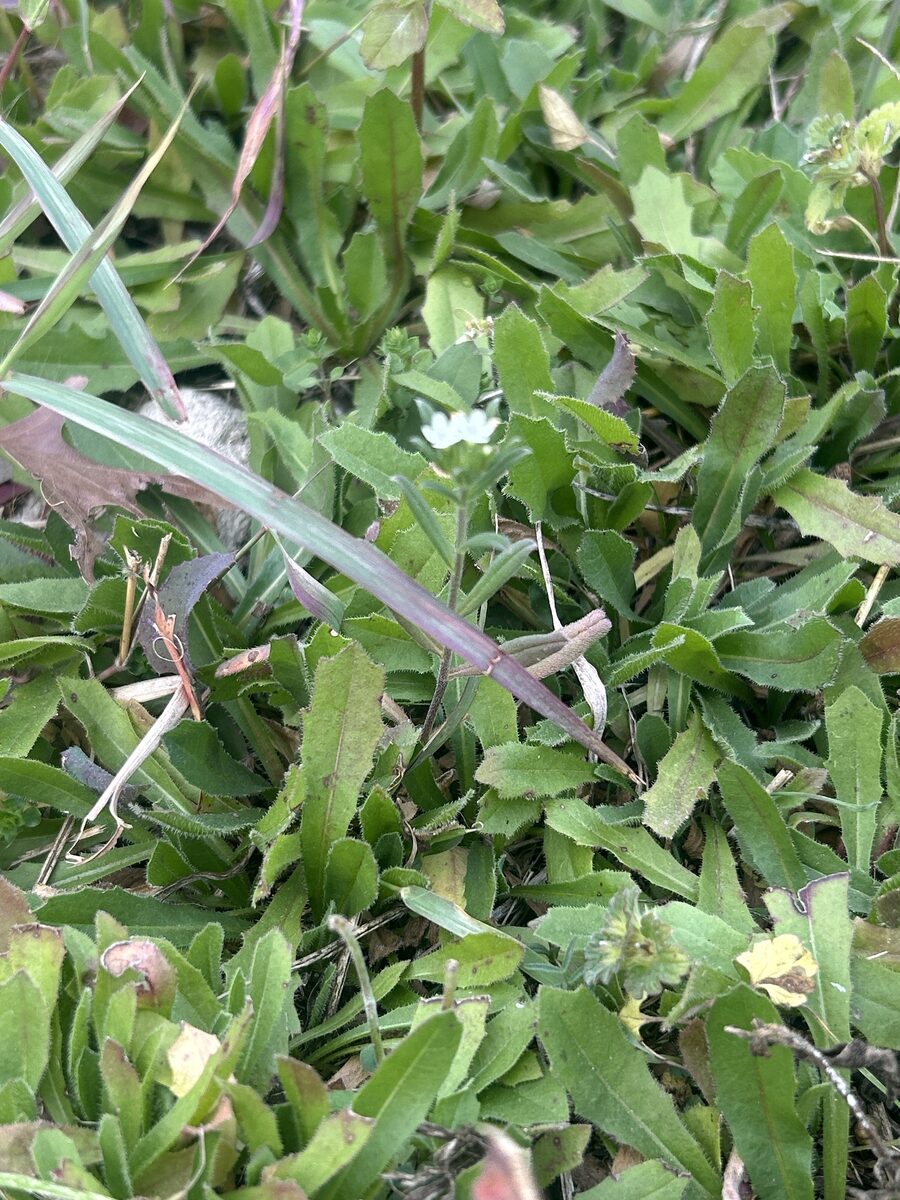
Mertensia longiflora
Greene.
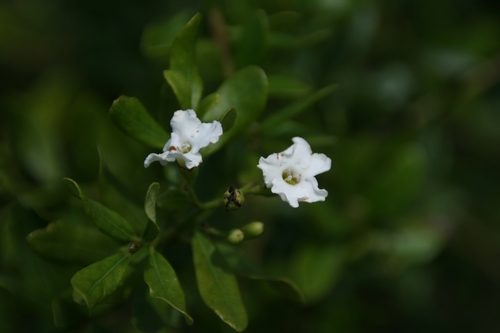
Small bluebells
iNaturalist· cc-by-nd
(c) Five Acre Geographic, some rights reserved (CC BY-ND)
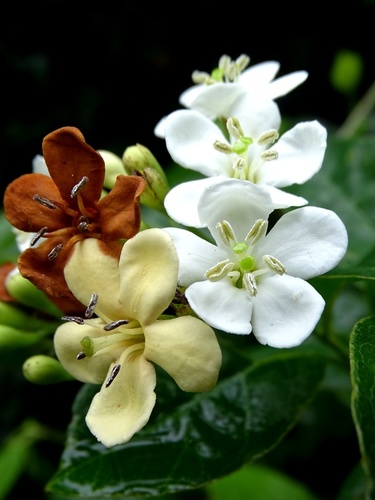
wikimedia· cc-by
Stiller Beobachter from Ansbach, Germany (via Wikimedia Commons)
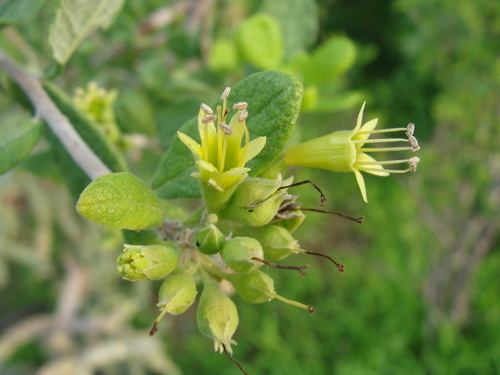
wikimedia· cc-by-sa
Thayne Tuason (via Wikimedia Commons)
Description
Mertensia longiflora is a PERENNIAL growing to 0.4 m (1ft 4in). See above for USDA hardiness. It is hardy to UK zone 3. The species is hermaphrodite (has both male and female organs). Suitable for: light (sandy), medium (loamy) and heavy (clay) soils. Suitable pH: mildly acid, neutral and basic (mildly alkaline) soils. It can grow in semi-shade (light woodland) or no shade. It prefers moist soil.
Edible Uses
Flowers - raw. Leaves - raw or cooked. The leaves are rather hairy and are not so nice when eaten raw.
Distribution
Western N. America - British Columbia to California.
Where It Grows
Coming Soon
Cultivation
Easily grown in an ordinary garden soil with some shade.
Propagation
Seed - best sown in a cold frame as soon as it is ripe. Sow stored seed as early in the year as possible. Protect from direct sunlight. When they are large enough to handle, prick the seedlings out into individual pots and grow them on in the greenhouse for at least their first winter. Plant them out into their permanent positions in late spring or early summer, after the last expected frosts. Division, with care, in early spring or autumn.