Bourreria succulenta
Jacq.
Pigeon wood strong bark, Currant tree
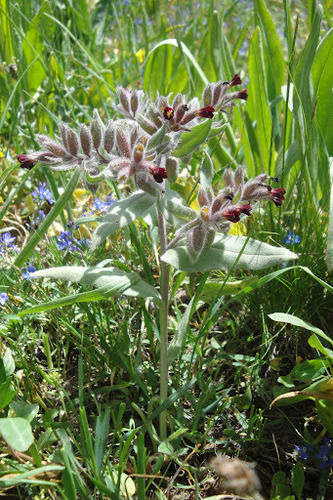
iNaturalist· cc-by-nc-sa
(c) Karen, some rights reserved (CC BY-NC-SA)
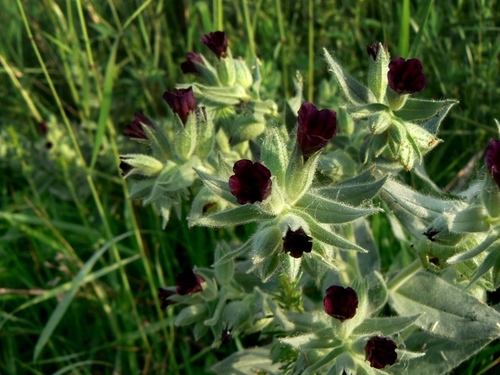
iNaturalist· cc-by-nc
(c) Kristin A. Bakkegard, some rights reserved (CC BY-NC), uploaded by Kristin A. Bakkegard
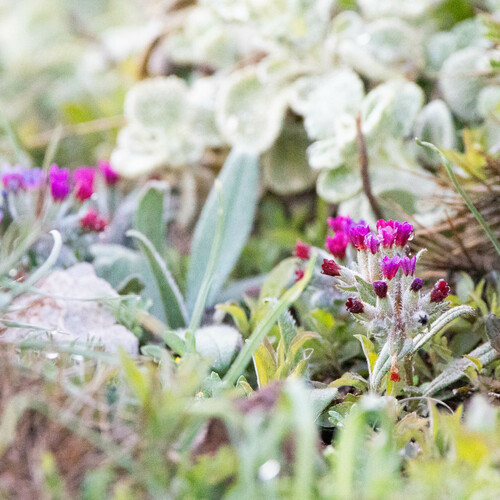
iNaturalist· cc-by-nc
(c) Ricardo J. Colón-Rivera, some rights reserved (CC BY-NC)
Summary
Source: WikipediaBourreria succulenta is a species of flowering plant in the family Ehretiaceae. It is a tree native to Caribbean islands including Cuba, Hispaniola, Jamaica, Puerto Rico, and the Lesser Antilles, and to Florida, southern Mexico, and northern Venezuela. It is known by several synonyms, including Bourreria baccata and B. velutina. Common names include cherry, currant tree, poisonberry, chink, and bodywood.
Description
A shrub or tree. It grows 6 m high. The flowers are in clusters. The fruit are shiny and orange. They are the size of a pea. The flesh is sweet and succulent.
Edible Uses
Fruit - raw. Pulpy, sweet and succulent. The saffron to orange coloured fruit is about the size of a pea.
Traditional Uses
The fruit pulp is eate raw.
This uses section is brief — help expand it
Distribution
A tropical plant. It can tolerate drought.
Where It Grows
Anguilla, Belize, Central America, Caribbean, Central America, Colombia, Costa Rica, Cuba, Curacao, Dominica, Dominican Republic, El Salvador, Guatemala, Haiti, Honduras, Mexico, North America, Panama, Puerto Rico, South America, St. Kitts and Nevis, USA, Venezuela, West Indies,
Cultivation
The plant can flower and produce fruit nearly all year round.
Other Uses
The light brown wood is hard. It is generally too small to be used for anything other than fuel.
Production
It is slow growing.
Notes
There are 30 Bourreria species.
Synonyms
Also Known As
Bahamas strongbark, Bodywood, Watakali, Watakeli, Watakeri
References (8)
- Bircher, A. G. & Bircher, W. H., 2000, Encyclopedia of Fruit Trees and Edible Flowering Plants in Egypt and the Subtropics. AUC Press. p 62
- Grandtner, M. M., 2008, World Dictionary of Trees. Wood and Forest Science Department. Laval University, Quebec, Qc Canada. (Internet database http://www.WDT.QC.ca)
- Hedrick, U.P., 1919, (Ed.), Sturtevant's edible plants of the world. p 112
- Kermath, B. M., et al, 2014, Food Plants in the Americas: A survey of the domesticated, cultivated and wild plants used for Human food in North, Central and South America and the Caribbean. On line draft. p 139
- Plants of Haiti Smithsonian Institute http://botany.si.edu/antilles/West Indies
Show all 8 references Hide references
- Rathcke B.J., 2001, Pollination and Predation Limit Fruit Set in a Shrub, Bourreria succulenta (Boraginaceae) after Hurricanes on San Saldavor Island, Bahamas. Biotropica 33(2): 330-338
- Roa, J. A. G. & Boada, D. S. G., 2018, Fundación para el Fortalecimiento de la Fruticultura y Plantas Alimenticias no Convencionales en Colombia.
- Smith, N., Mori, S.A., et al, 2004, Flowering Plants of the Neotropics. Princeton. p 62