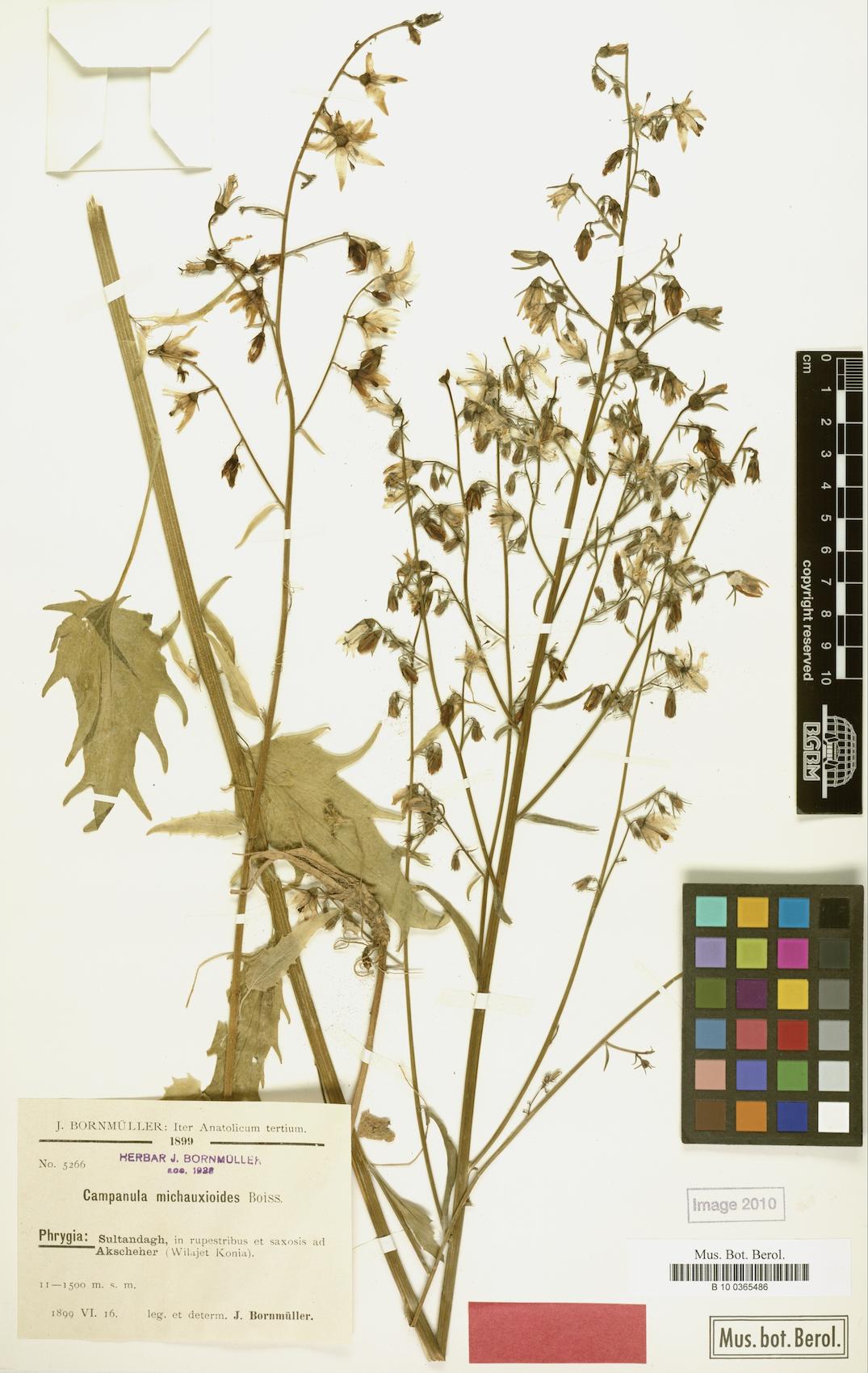
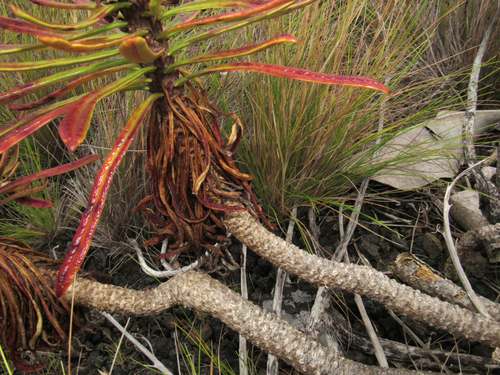
Melanocalyx uniflora - (L.) Morin
(L.) Morin
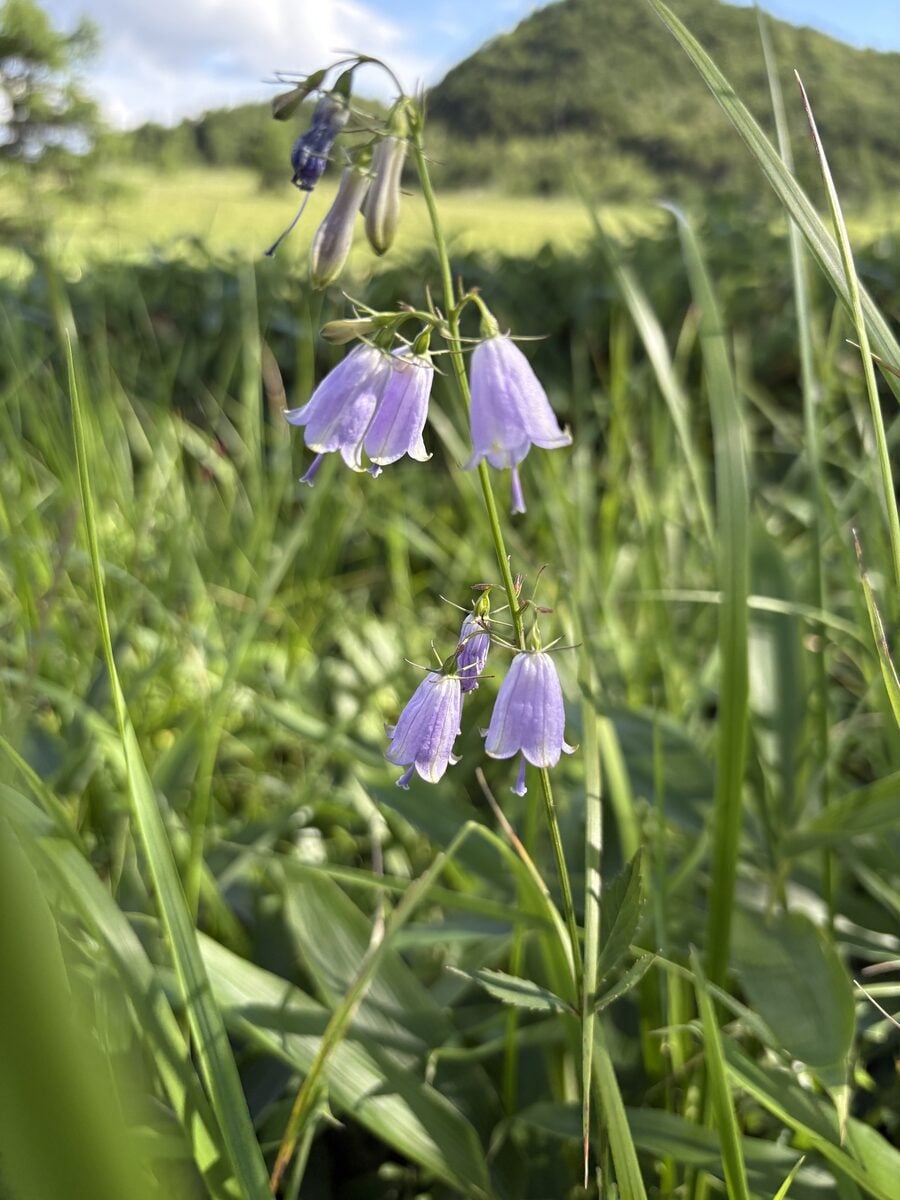
Arctic Bellflower
gbif· cc-by
Jan Ole Olsen
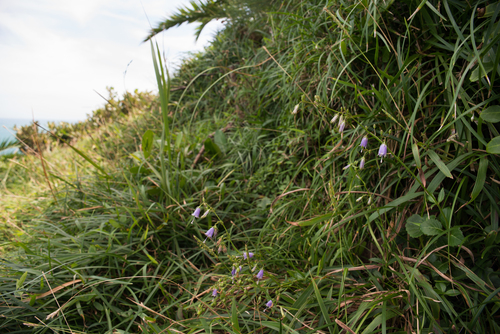
gbif· cc-by
Øystein Røsok
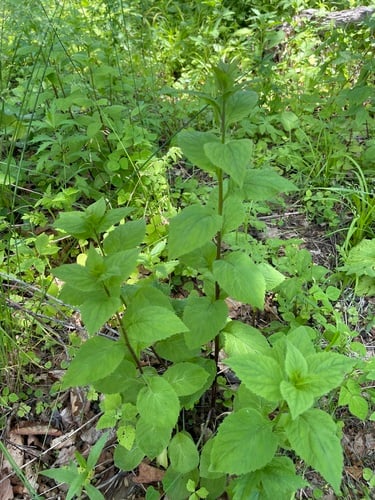
gbif· cc-by
Øystein Røsok
Description
Melanocalyx uniflora is a PERENNIAL growing to 0.1 m (0ft 4in) by 0.1 m (0ft 4in) at a slow rate. See above for USDA hardiness. It is hardy to UK zone 2. The flowers are pollinated by Bees, Insects. It is noted for attracting wildlife. Suitable for: light (sandy) and medium (loamy) soils, prefers well-drained soil and can grow in nutritionally poor soil. Suitable pH: mildly acid, neutral and basic (mildly alkaline) soils. It cannot grow in the shade. It prefers dry or moist soil.
Edible Uses
Leaves Taste, Processing & Kitchen Notes: Mild lettuce-like flavour, but impossible to harvest in meaningful quantity. Seasonality (Phenology): Blooms from July to August. Leaves appear shortly after snowmelt and persist only during short alpine summers, and the flowers are technically edible but extremely small and of little practical food value. Flavour is mild, similar to other Campanulas. Edibility rating is extremely low due to size. Safety & Cautions (Food Use): Safe but insignificant as a food. Harvest & Processing Workflow: Impractical; the plant is too small. Traditional / Indigenous Use Summary: No known food use; northern peoples likely ignored it due to limited material.
Known Hazards
Safe but insignificant as a food.
Distribution
Circumpolar: Arctic North America, Greenland, northern Europe, Siberia. In the Southwest it barely enters northern New Mexico and eastern Utah at extreme elevations.
Where It Grows
US. USA. Alaska, Alberta, Aleutian Is., British Columbia, Chita, Colorado, Finland, Føroyar, Greenland, Iceland, Idaho, Kamchatka, Khabarovsk, Labrador, Magadan, Manitoba, Montana, New Mexico, North European Russia, Northwest Territories, Norway, Nunavut, Québec, Svalbard, Sweden, Utah, Washington, Wyoming, Yakutiya, Yukon
Cultivation
A charming but tiny alpine bellflower without practical edible use. Restricted to cold alpine meadows and tundra regions. Requires very cool summers, high light, and constantly moist substrates with sharp drainage. Corresponds generally with USDA Zones 2–5, depending on snow cover. Only 4–11 cm tall. Rarely cultivated but could succeed in cold alpine rock gardens. Requires alpine conditions; very difficult outside them.
Propagation
By seed only; requires cold stratification.
Other Uses
Alpine gardens. Ecology & Wildlife: Pollinated by tiny alpine bees and flies, especially cold-tolerant halictids and syrphids. Flowers may occasionally self-pollinate due to the short growing season.
Synonyms
Also Known As
Arctic Bellflower (Campanula uniflora)