Lysimachia barystachys
Bunge.
Manchurian yellow loosestrife
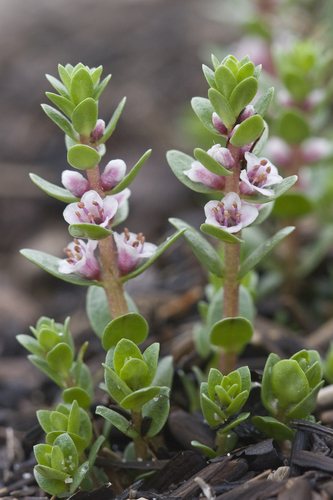
iNaturalist· cc-by-nc
(c) Chuangzao, some rights reserved (CC BY-NC), uploaded by Chuangzao
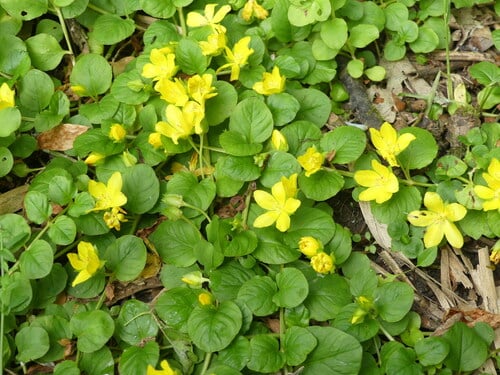
iNaturalist· cc-by-nc
(c) V.S. Volkotrub, some rights reserved (CC BY-NC), uploaded by V.S. Volkotrub
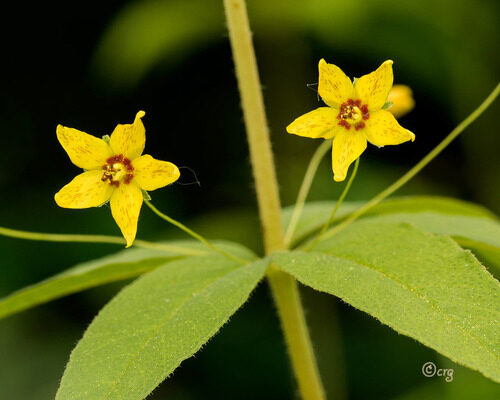
iNaturalist· cc-by-nc
(c) nautilusf, some rights reserved (CC BY-NC), uploaded by nautilusf
Description
Lysimachia barystachys is a PERENNIAL growing to 0.6 m (2ft). See above for USDA hardiness. It is hardy to UK zone 5. It is in flower from May to August. The species is hermaphrodite (has both male and female organs) and is pollinated by Insects. Suitable for: light (sandy), medium (loamy) and heavy (clay) soils. Suitable pH: mildly acid, neutral and basic (mildly alkaline) soils. It can grow in semi-shade (light woodland) or no shade. It prefers moist soil.
Edible Uses
Young leaves and stems - cooked.
Distribution
E. Asia - China, Japan, Korea, Siberia.
Where It Grows
TEMPERATE ASIA: China (Fujian Sheng, Guizhou Sheng, Hebei Sheng, Heilongjiang Sheng, Jiangsu Sheng, Jilin Sheng, Liaoning Sheng, Nei Mongol Zizhiqu, Ningxia Huizi Zizhiqu, Shaanxi Sheng, Shandong Sheng, Shanxi Sheng, Sichuan Sheng, Yunnan Sheng, Zhejiang Sheng), Japan, Korea, South
Cultivation
An easily grown plant, succeeding in a moist loamy soil. Most species in this genus seem to be immune to the predations of rabbits.
Propagation
Seed - sow autumn in a cold frame. When they are large enough to handle, prick the seedlings out into individual pots and plant them out in the summer. Division in spring or autumn. Larger clumps can be replanted direct into their permanent positions, though it is best to pot up smaller clumps and grow them on in a cold frame until they are rooting well. Plant them out in the spring.