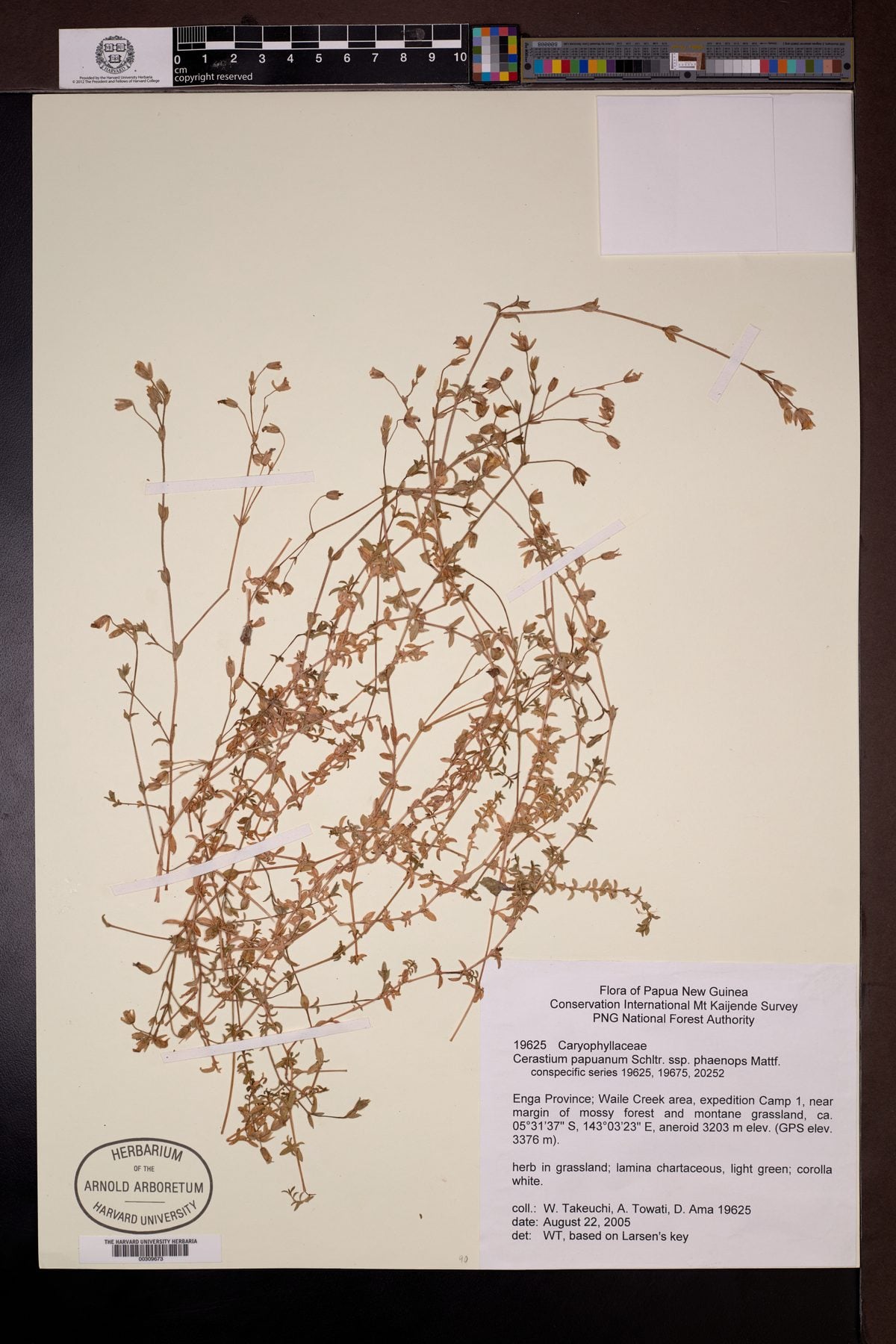
Lychnis fulgens
Sims.
Brilliant campion
gbif· cc-by-nc
President and Fellows of Harvard College
gbif· cc-by
Royal Botanic Gardens, Kew
gbif· cc-by
Royal Botanic Gardens, Kew
Description
Lychnis fulgens is a PERENNIAL growing to 0.6 m (2ft). See above for USDA hardiness. It is hardy to UK zone 6. It is in flower from June to August, and the seeds ripen from July to September. The species is hermaphrodite (has both male and female organs) and is pollinated by Insects. Suitable for: light (sandy), medium (loamy) and heavy (clay) soils. Suitable pH: mildly acid, neutral and basic (mildly alkaline) soils. It can grow in semi-shade (light woodland) or no shade. It prefers moist soil.
Edible Uses
Young plant - cooked.
Distribution
E. Asia - Japan, Korea, Manchuria, Siberia.
Where It Grows
TEMPERATE ASIA: Russian Federation-Eastern Siberia (Eastern Siberia), Russian Federation (Primorye, Amur), China (Anhui Sheng, Fujian Sheng, Gansu Sheng, Guizhou Sheng, Hebei Sheng, Heilongjiang Sheng, Henan Sheng, Hubei Sheng, Hunan Sheng, Jiangsu Sheng, Jiangxi Sheng, Jilin Sheng, Liaoning Sheng, Nei Mongol Zizhiqu, Shanxi Sheng, Sichuan Sheng, Yunnan Sheng, Zhejiang Sheng), Korea, Japan (Hokkaidô, Honshu)
Cultivation
An easily grown plant, succeeding in a good garden soil and a warm sheltered position.
Propagation
Seed - sow spring in a cold frame. When they are large enough to handle, prick the seedlings out into individual pots and plant them out in the summer. The seed can also be sown in situ in spring or early autumn though this requires more seed. Division in spring or autumn. Very easy, larger clumps can be replanted direct into their permanent positions, though it is best to pot up smaller clumps and grow them on in a cold frame until they are rooting well. Plant them out in the spring.
Other Uses
Soap. Although no specific mention has been seen for this species, the root of several members of this genus contains saponins, a soap substitute used for washing clothes, hair etc. It is extracted by boiling the roots in water. Do not overboil the roots because this will break down the saponins.