Lolium perenne
L.
Perennial Ryegrass, Italian ryegrass, Darnel, Lyme Grass, Terrell Grass, English Ryegrass, Strand Wh
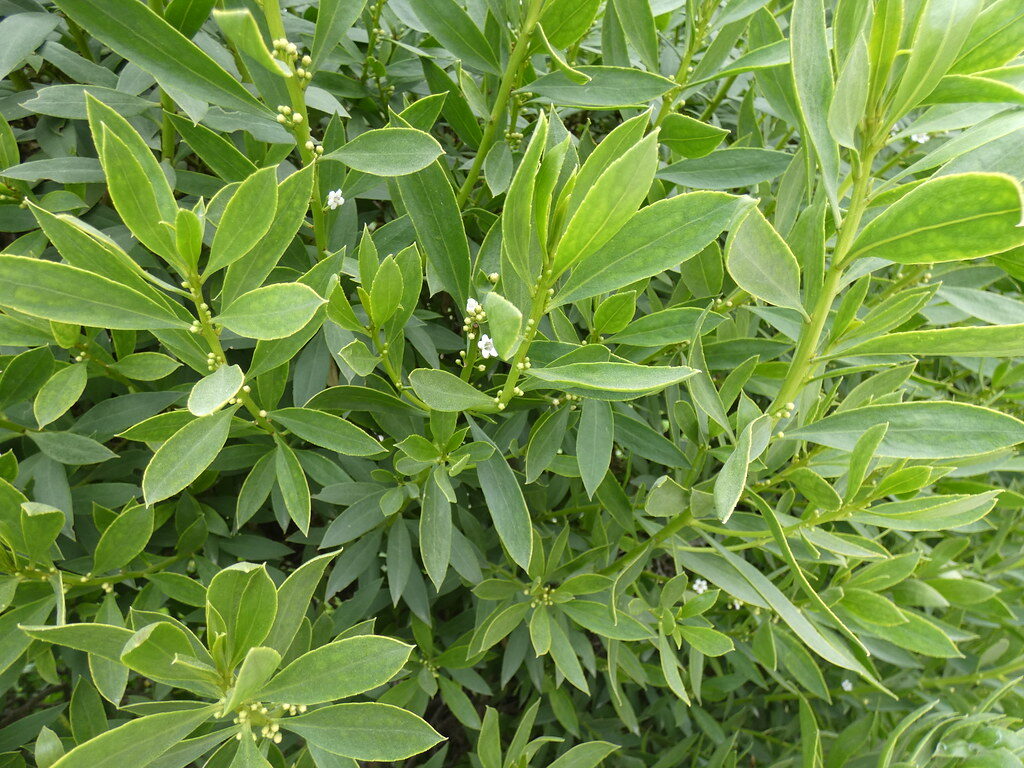
iNaturalist· cc-by-nc
(c) José Luis Romero Rego, some rights reserved (CC BY-NC), uploaded by José Luis Romero Rego
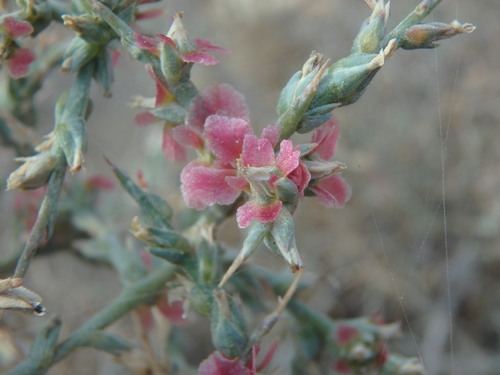
iNaturalist· cc-by-nc
(c) Kimmie Paxton, some rights reserved (CC BY-NC), uploaded by Kimmie Paxton
Description
Lolium perenne is an evergreen Perennial growing to 1 m (3ft 3in) at a fast rate. See above for USDA hardiness. It is hardy to UK zone 5 and is not frost tender. It is in leaf all year. The species is hermaphrodite (has both male and female organs) and is pollinated by Wind. Suitable for: light (sandy), medium (loamy) and heavy (clay) soils and prefers well-drained soil. Suitable pH: mildly acid, neutral and basic (mildly alkaline) soils and can grow in very acid, very alkaline and saline soils. It cannot grow in the shade. It prefers moist soil and can tolerate drought. It can tolerate atmospheric pollution.
Edible Uses
Seed - cooked. Used as a cereal. The seed has a nutritional value similar to oats (Avena sativa) and contain gluten. An emergency food, it is only used when all else fails. The seed is rather small and fiddly to use. Yields of 1 tonne per hectare have been achieved, though around 500kg is a more common yield.
Medicinal Uses
Astringent Cancer Malaria. The plant has occasionally been used in the treatment of cancer, diarrhoea, haemorrhages and malaria.
Distribution
Europe to E. Asia.
Where It Grows
TEMPERATE ASIA: Saudi Arabia, Afghanistan, Cyprus, Egypt (Sinai), Iran, Iraq, Israel, Jordan, Lebanon, Syria, Turkey, Russian Federation-Ciscaucasia (Ciscaucasia), Armenia, Azerbaijan, Georgia, Russian Federation (Dagestan) TROPICAL ASIA: India (northwest), Pakistan EUROPE: Denmark, United Kingdom, Ireland, Norway, Sweden, Austria, Belgium, Switzerland, Czech Republic, Germany, Hungary, Netherlands, Poland, Slovakia, Russian Federation-European part (European part (southwest)), Belarus, Moldova, Russian Federation (Kalmykija, Respublika, Astrakhan, Saratov, Volgogradskaja oblast), Ukraine (incl. Krym), Albania, Bulgaria, Greece (incl. Crete), Croatia, Italy (incl. Sardinia, Sicily), Romania, Serbia, Slovenia, Spain, France (incl. Corsica), Portugal AFRICA: Spain (Canarias), Portugal (Madeira Islands), Algeria, Egypt, Libya, Morocco, Tunisia
Cultivation
It prefers a pH in the range 6 - 7, though it can tolerate a range from 4.5 - 8.2. Plants are moderately drought resistant, they tolerate atmspheric pollution and salt in the soil, and can also succeed when planted on minespoil. They prefer an annual precipitation in the range of 21 - 176cm. Many cultivars have been developed by selection of individual plants, clones and families for specific purposes, such as for lawns, pastures and hay. A fast growing plant, it combines particularly well with white clover (Trifolium repens).
Propagation
Seed - sow in situ in the spring. It is also possible to sow the seed in situ in the autumn in most parts of Britain. This will give larger plants and heavier yields.
Other Uses
Biomass. The plant has the potential to be used as a source of biomass. Yields of up to 25 tonnes per hectare have been reported from Europe. In the absence of definitive yield information an average yield of 17.5 tonnes of dry matter per hectare per year and an energy content of 17.5 GJ per metric tonne are assumed.