Atriplex nuttallii
S. Watson
Basin Saltbush, Fourwing Saltbush, Gardner's Saltbush, Nuttall's Saltbush, Sickle Saltbush
wikimedia· cc0
Wikimedia Commons - Britton, N.L., and A. Brown
gbif· cc0
President and Fellows of Harvard College
gbif· cc0
President and Fellows of Harvard College
Summary
Source: WikipediaAn evergreen shrub growing to 0.9 m tall at medium rate, hardy to UK zone 6. Flowers July to August. Has separate male and female plants; both sexes needed for seed production. Wind-pollinated and not self-fertile. Grows in light sandy to medium loamy soils, tolerates very alkaline and saline conditions, prefers well-drained soil, and cannot grow in shade. Attracts wildlife.
Description
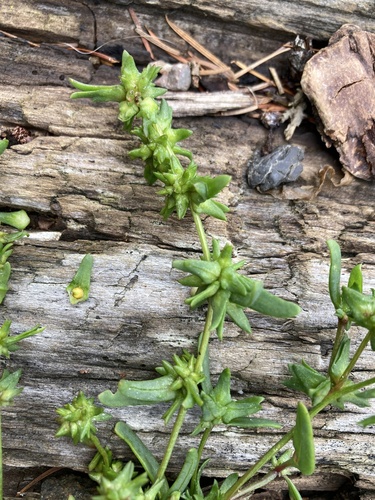
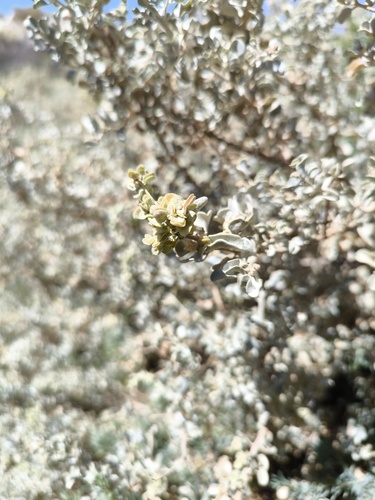
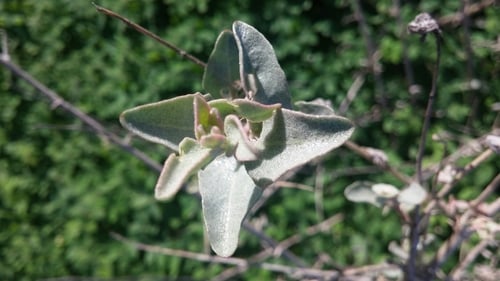
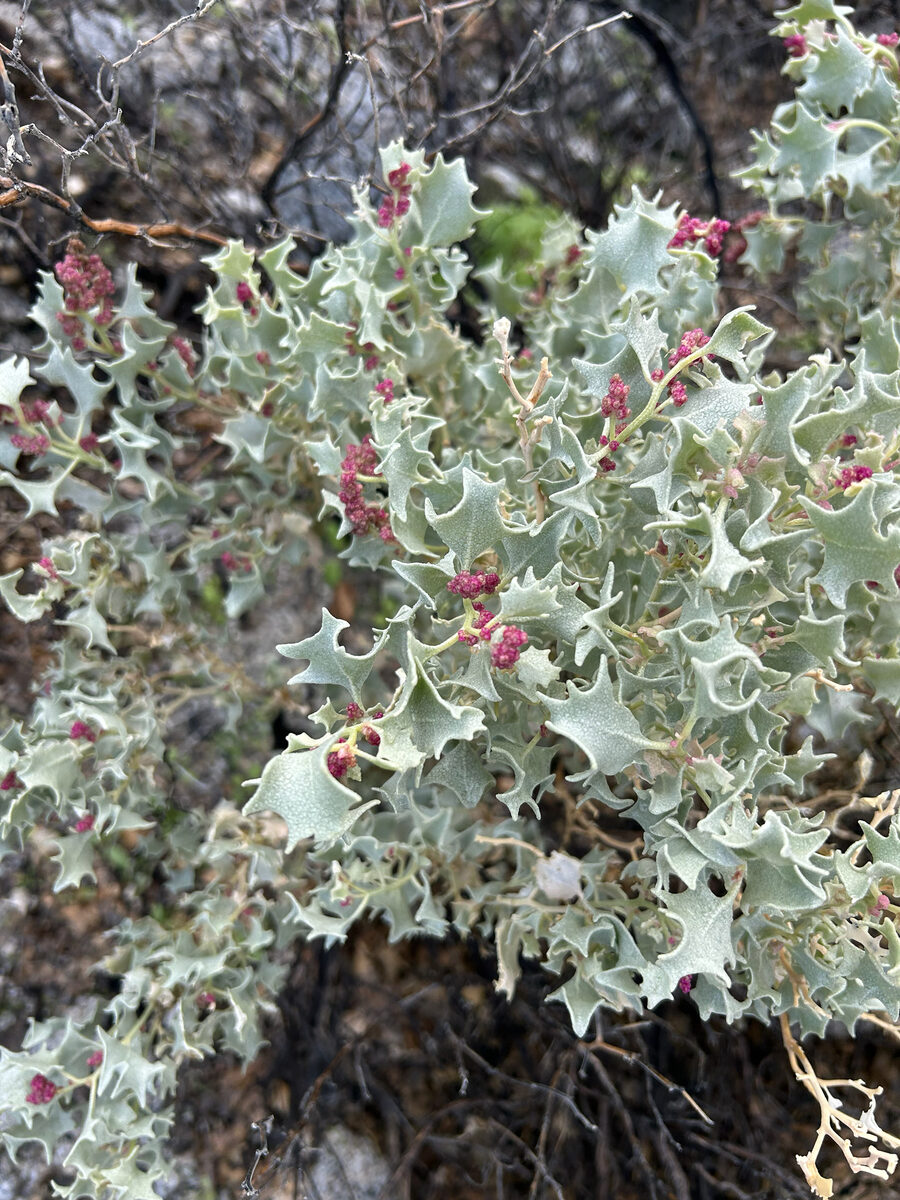
An evergreen shrub growing to 0.9 m tall at medium rate, hardy to UK zone 6. Flowers July to August. Has separate male and female plants; both sexes needed for seed production. Wind-pollinated and not self-fertile. Grows in light sandy to medium loamy soils, tolerates very alkaline and saline conditions, prefers well-drained soil, and cannot grow in shade. Attracts wildlife.
Edible Uses
Leaves and stems are cooked, typically with wheat, and add a salty flavor to other cooked dishes. Seeds are cooked and used in piñole or ground into meal as a bread thickener or mixed with flour for baking.
Medicinal Uses
None known
Known Hazards
No member of this genus contains any toxins, all have more or less edible leaves. However, if grown with artificial fertilizers, they may concentrate harmful amounts of nitrates in their leaves.
Distribution
It is a temperate plant.
Where It Grows
Canada, North America, USA,
Cultivation
Requires a light or medium well-drained but not too fertile soil in a sunny position. Tolerates saline and very alkaline soils. Succeeds in a hot dry position. Some modern works treat this species as a synonym of Atriplex gardneri aptera. This plant has more or less annual stems produced from a woody base. Dioecious. Male and female plants must be grown if seed is required. Saltbush species are typically slow to moderate in growth, depending on the environmental conditions, but can establish well in poor soils. Saltbush can be harvested for forage throughout the growing season, typically in late spring to early autumn. Saltbush generally flowers in late summer to early autumn, depending on the specific species and growing conditions.
Propagation
Sow seed in April or May in a cold frame using peat and sand compost; germinates in 1-3 weeks at 13°C. Pot seedlings individually and grow in a greenhouse over winter, planting out in late spring after frost danger passes. Half-ripe wood cuttings in July-August root very easily, rooting in about 3 weeks; pot up and plant out the following spring. Mature wood cuttings in November-December root very easily; pot up in early spring and plant in early summer.
Other Uses
Used for erosion control, as a windbreak, and for soil stabilization in saline soils. Provides livestock forage. Dense growth offers food, shelter, and nesting sites for wildlife including birds and small mammals. Serves as ground cover and overwintering shelter for invertebrates.
Notes
There are about 100-300 Atriplex species. They have also been put in the family Chenopodiaceae.
Synonyms
References (3)
- Beckstrom-Sternberg, Stephen M., and James A. Duke. "The Foodplant Database." http://probe.nalusda.gov:8300/cgi-bin/browse/foodplantdb.(ACEDB version 4.0 - data version July 1994)
- Plants for a Future database, The Field, Penpol, Lostwithiel, Cornwall, PL22 0NG, UK. http://www.scs.leeds.ac.uk/pfaf/
- Proc. Amer. Acad. Arts 9:116. 1874