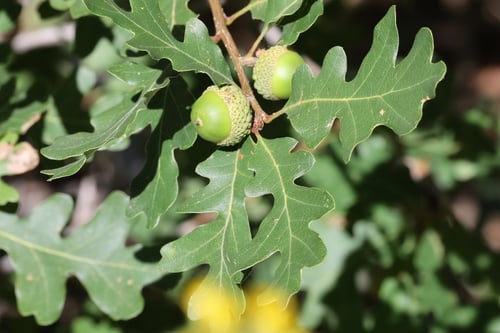
Nothofagus pumilio - (Poepp.&Endl.)Krasser.
(Poepp.&Endl.)Krasser.
Lenga
gbif· cc-by-nc
Jonah Yinger
gbif· cc-by-nc
Jonah Yinger
gbif· cc-by-nc
Jonah Yinger
Description
Nothofagus pumilio is a deciduous Tree growing to 40 m (131ft 3in) at a medium rate. See above for USDA hardiness. It is hardy to UK zone 7. The species is monoecious (individual flowers are either male or female, but both sexes can be found on the same plant) and is pollinated by Wind. Suitable for: light (sandy), medium (loamy) and heavy (clay) soils and prefers well-drained soil. Suitable pH: mildly acid and neutral soils. It cannot grow in the shade. It prefers moist soil.
Edible Uses
The sap and scrapings are eaten in spring. The term scrapings probably refers to the inner bark. Inner bark is often dried, ground into a powder and then used as a thickener in soups etc or added to cereals when making bread.
Distribution
Southern S. America.
Where It Grows
SOUTHERN AMERICA: Argentina (Chubut, Neuquén, Río Negro, Tierra del Fuego), Chile (south)
Cultivation
Prefers an open well-drained loamy soil in a sunny position. Succeeds on most soils but dislikes calcareous soils. Prefers a pH between 5 and 7, but dislikes acid peats. Prefers cool wet summers in temperate maritime zones. This species is closely related to N. Antarctica. Trees have poor wind resistance in Britain, probably because they grow so fast. Plants at Crarae in western Scotland are very hardy but fairly slow growing. Trees up to 4 metres tall can be successfully established, though the optimum size for transplanting is about 30 - 80cm. The roots are very sensitive to desiccation and extreme care should be taken when transplanting them. Plants in this genus are notably resistant to honey fungus.
Propagation
The seed is best sown as soon as it is ripe in a cool greenhouse or cold frame. Spring-sown seed requires 2 - 3 months stratification at 1 - 5°c. When they are large enough to handle, prick the seedlings out into individual pots and grow them on in a lightly shaded position in the cold frame for at least their first winter. Plant them out into their permanent positions in late spring or early summer, after the last expected frosts. The seed must not be allowed to dry out according to one report whilst another says that the seed can be stored dry at 2°c for long periods. Cuttings of half-ripe wood, 6 - 10cm with a heel, July/August in a frame. Layering.
Other Uses
Lighting Wood. Used for making torches. This is probably a reference to the bark, since this is the part used in N. betuloides. Wood - useful. No further details are given.