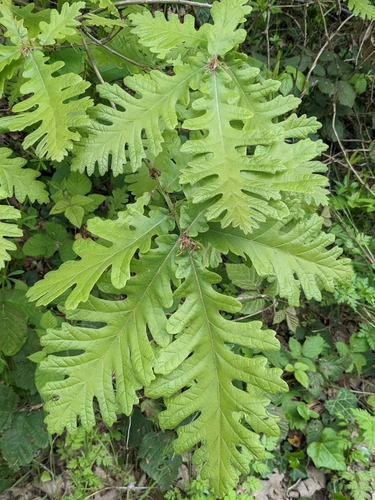
Lithocarpus xylocarpus
(Kurz.) Markgraf
iNaturalist· cc-by-nc
(c) lushangyizhichong, some rights reserved (CC BY-NC)
iNaturalist· cc-by-nc
(c) lushangyizhichong, some rights reserved (CC BY-NC)
Description
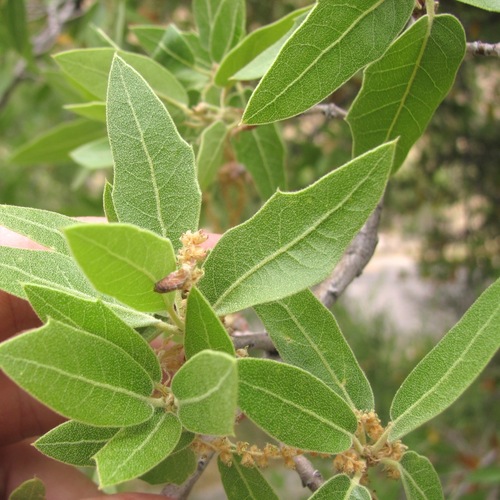
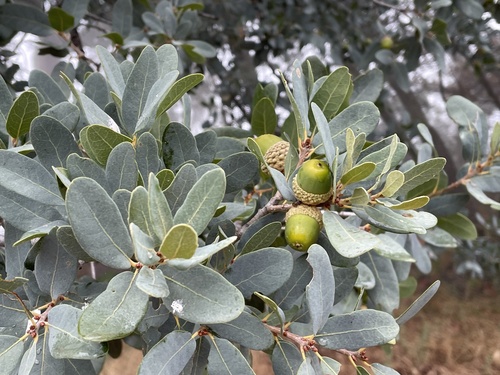
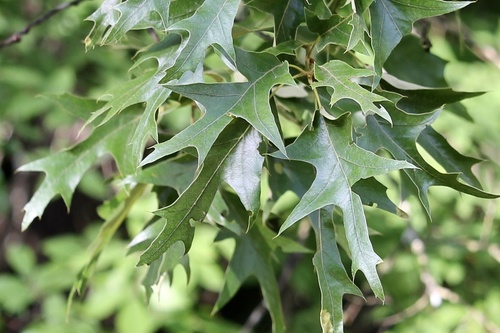
A tree. It grows 30 m tall. Young branches are grooved and with a coating. The leaves are narrowly oblong and 9-15 cm long by 2-5 cm wide. They are leathery. They are hairy underneath when young. They are shiny above and wedge shaped at the base. Male and female flowers are separate. Male flowers occur singly and are 5-10 cm long. The female flowers are in clusters. The fruiting structure is cup shaped and 3-5 cm across. It encloses the nut. The nut is broadly oval and 2-3 cm across.
Edible Uses
The kernel of the nuts is eaten raw or roasted.
Traditional Uses
The kernel of the nuts is eaten raw or roasted.
This uses section is brief — help expand it
Distribution
It is a tropical plant. It grows in dry forests between 1,800-2,300 m above sea level in Tibet and southern China. In Yunnan.
Where It Grows
Asia, China, India, Indochina, Laos, Myanmar, Northeastern India, SE Asia, Vietnam,
Synonyms
Also Known As
Then-hang, Thit-e-gon
References (4)
- Ambasta, S.P. (Ed.), 2000, The Useful Plants of India. CSIR India. p 333
- Dobriyal, M. J. R. & Dobriyal, R., 2014, Non Wood Forest Produce an Option for Ethnic Food and Nutritional Security in India. Int. J. of Usuf. Mngt. 15(1):17-37
- Kar, A., et al, 2013, Wild Edible Plant Resources used by the Mizos of Mizoram, India. Kathmandu University Journal of Science, Engineering and Technology. Vol. 9, No. 1, July, 2013, 106-126
- Singh, V. B., et al, (Ed.) Horticulture for Sustainable Income and Environmental Protection. Vol. 1 p 220