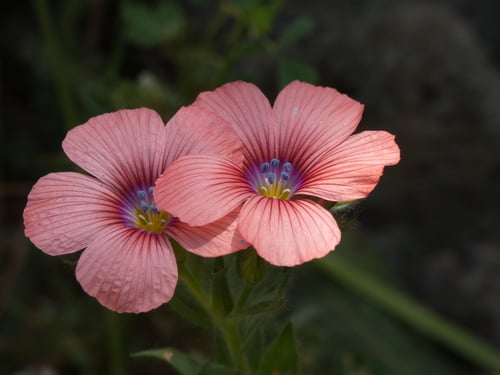
Linum marginale
A.Cunn. ex Planch.
Native Flax
iNaturalist· cc-by-nc-nd
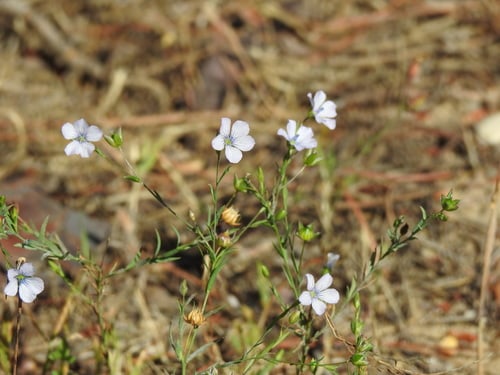
(c) MomentsForZen, some rights reserved (CC BY-NC-ND)
iNaturalist· cc-by-nc-sa
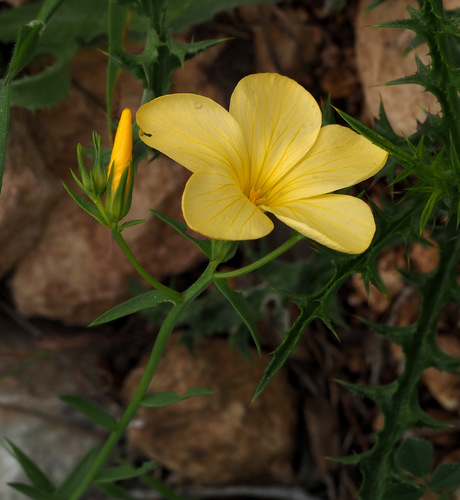
(c) Reiner Richter, some rights reserved (CC BY-NC-SA), uploaded by Reiner Richter
iNaturalist· cc-by-nc-sa
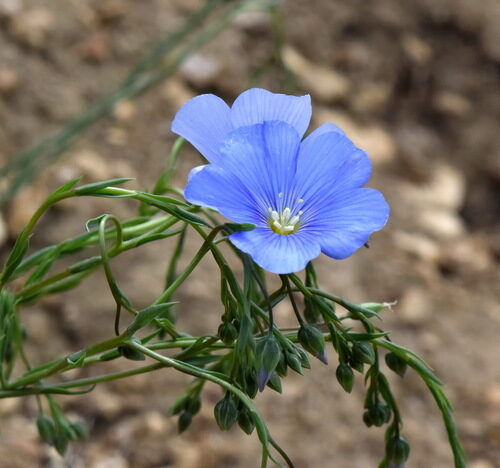
(c) Reiner Richter, some rights reserved (CC BY-NC-SA), uploaded by Reiner Richter
Description
Linum marginale is a PERENNIAL growing to 0.6 m (2ft). The species is hermaphrodite (has both male and female organs) and is pollinated by Insects. Suitable for: light (sandy) and medium (loamy) soils and prefers well-drained soil. Suitable pH: mildly acid, neutral and basic (mildly alkaline) soils. It cannot grow in the shade. It prefers moist soil.
Edible Uses
Seed - raw or cooked. Mucilaginous, with very little flavour.
Distribution
Australia - Victoria.
Where It Grows
AUSTRALASIA: Australia (Tasmania, New South Wales, Queensland, South Australia, Victoria, Western Australia (southwest))
Cultivation
We have very little information on this species and do not know if it will be hardy in this country. It tolerates temperatures down to at least -7°c in Australian gardens but this cannot be translated directly to British gardens due to our cooler summers and longer colder and wetter winters. The following notes are based on the general needs of the genus. Prefers a light well-drained moderately fertile humus-rich soil in a sunny sheltered position.
Propagation
Seed - sow spring in greenhouse. When they are large enough to handle, prick the seedlings out into individual pots and grow them on in the greenhouse for at least their first winter. Plant them out into their permanent positions in late spring or early summer, after the last expected frosts. Basal cuttings in spring. Harvest the shoots when they are about 8 - 10cm long with plenty of underground stem. Pot them up into individual pots and keep them in light shade in a cold frame or greenhouse until they are rooting well. Plant them out in the summer. Division.
Other Uses
FibreA very strong fibre is obtained from the stem. It is used for making nets and cordage.