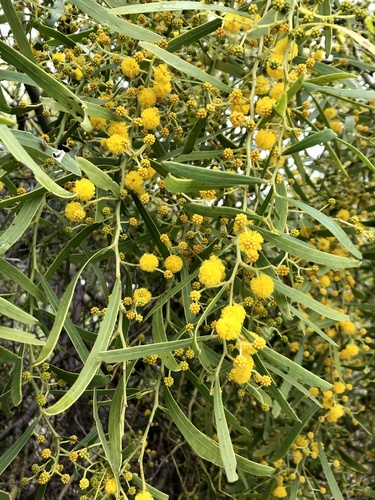
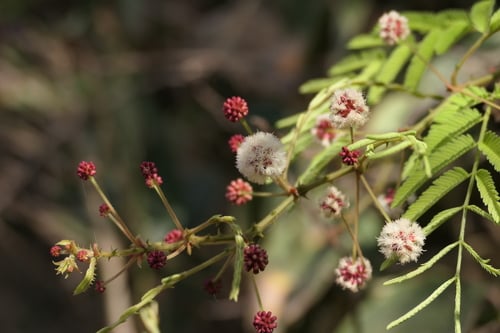
Lespedeza tomentosa - (Thunb.)Siebold.
(Thunb.)Siebold.
gbif· cc-by-nc
zgy
gbif· cc-by-nc
zgy
gbif· cc-by-nc
孙文龙
Description
Lespedeza tomentosa is a PERENNIAL growing to 1 m (3ft 3in). It is frost tender. It is in flower from August to September, and the seeds ripen from October to November. The species is hermaphrodite (has both male and female organs) and is pollinated by Insects. It can fix Nitrogen. Suitable for: light (sandy) and medium (loamy) soils and prefers well-drained soil. Suitable pH: mildly acid, neutral and basic (mildly alkaline) soils. It cannot grow in the shade. It prefers moist soil.
Edible Uses
Young leaves - cooked.
Distribution
E. Asia - China, Japan, Korea.
Where It Grows
TEMPERATE ASIA: Russian Federation (Primorye), China (Xinjiang Uygur Zizhiqu, Xizang Zizhiqu), Korea, Japan (Honshu, Ryukyu Islands, Shikoku) TROPICAL ASIA: India (Himalayan region, Assam), Nepal (west), Pakistan (Kashmir)
Cultivation
We have very little information on this species and do not know if it will be hardy in Britain, though judging by its native range it should succeed outdoors at least in the milder parts of the country. The plant produces cleistogamous flowers as well as sexual flowes. The following notes are based on the general needs of the genus. Easily grown in a light loam in full sun. This species has a symbiotic relationship with certain soil bacteria, these bacteria form nodules on the roots and fix atmospheric nitrogen. Some of this nitrogen is utilized by the growing plant but some can also be used by other plants growing nearby.
Propagation
Pre-soak the seed for 24 hours in warm water and then sow it in spring in a greenhouse. When they are large enough to handle, prick the seedlings out into individual pots and grow them on in the greenhouse for at least their first winter. Plant them out into their permanent positions in late spring or early summer, after the last expected frosts. Cuttings of half-ripe wood, 7 - 10cm with a heel, July/August in individual pots in a frame. It can be difficult to get the cuttings through their first winter, it is best to plunge the pots in a bed of ashes in a sheltered border outdoors.