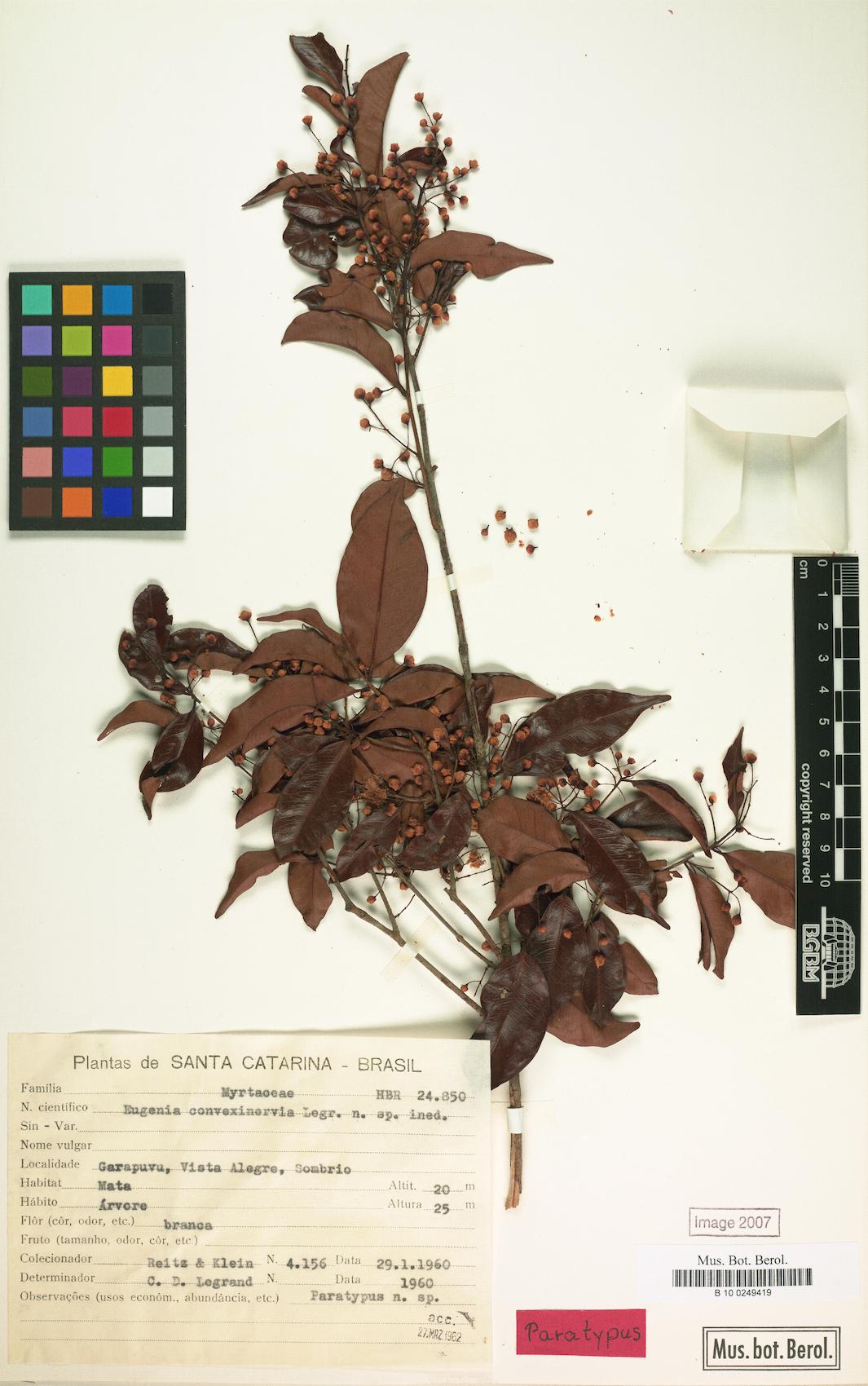
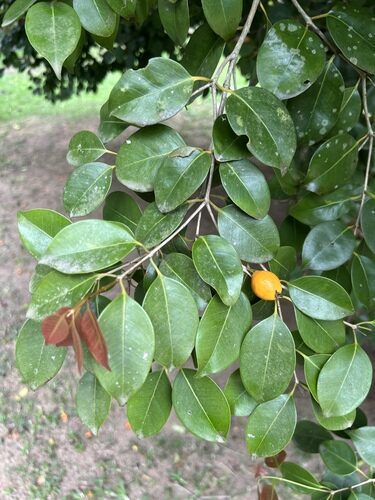
Leptospermum ericoides
Rich.
gbif· cc-by
Meise Botanic Garden
gbif· cc-by
Meise Botanic Garden
gbif· cc0
Ingrid P. Lin
Description
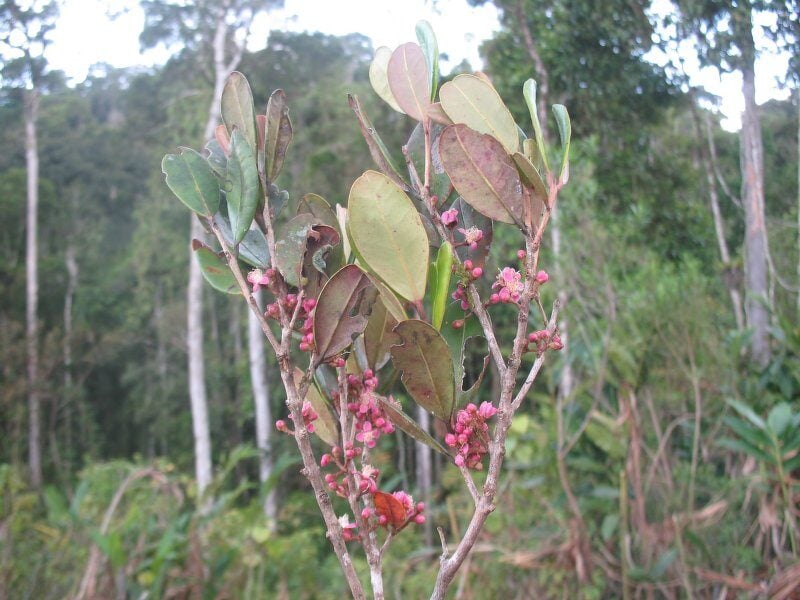
Leptospermum ericoides is an evergreen Shrub growing to 3 m (9ft 10in). See above for USDA hardiness. It is hardy to UK zone 8 and is frost tender. It is in leaf all year, in flower in May. The species is hermaphrodite (has both male and female organs) and is pollinated by Insects. Suitable for: light (sandy), medium (loamy) and heavy (clay) soils and prefers well-drained soil. Suitable pH: mildly acid and neutral soils and can grow in very acid soils. It cannot grow in the shade. It prefers moist soil. The plant can tolerates strong winds but not maritime exposure.
Edible Uses
A refreshing tea can be made from the young shoot tips.
Medicinal Uses
Antihalitosis Antiphlogistic Astringent Depurative Sedative Stomachic. The leaves and young shoots are antihalitosis, antiphlogistic, astringent, depurative, sedative and stomachic.
Distribution
New Zealand.
Where It Grows
AUSTRALASIA: Australia (New South Wales, Queensland (southeast), Victoria), New Zealand (North Island, South Island)
Cultivation
Succeeds in almost any neutral or acid soil of good or reasonable quality, preferring a light sandy loam and full sun. Grows best in an acid sandy soil. Prefers a position sheltered from hot or cold drying winds. This species is not very cold-hardy, tolerating temperatures down to about -5°c, though there are montane forms that might be hardier. It only succeeds outdoors in the milder areas of Britain. Resentful of root disturbance, plants should be pot grown and planted out in their final positions as soon as possible. The flowers have a delicate sweet perfume. Plants do not regenerate from old wood. Plants in this genus are notably resistant to honey fungus.
Propagation
Seed - sow spring in a greenhouse and only just cover the seed. Prick out the seedlings into individual pots when they are large enough to handle and grow them on in the greenhouse for at least their first winter. Plant out in late spring or early summer, after the last expected frosts, and give some protection from the cold for their first winter or two outdoors. The seed remains viable for many years. Cuttings of half-ripe wood, 5 - 8 cm with a heel, early August in a frame. Over-winter in the greenhouse for its first year and plant out after the last expected frosts. Good percentage. Cuttings of almost mature wood, 4 - 5 cm with a heel, October/November in a frame. Good percentage.
Other Uses
Wood. Wood - hard, durable. Used for bridges, shingles etc. When burned, it gives off a delicious aroma.