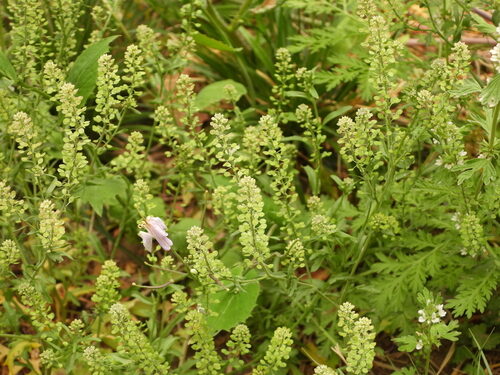
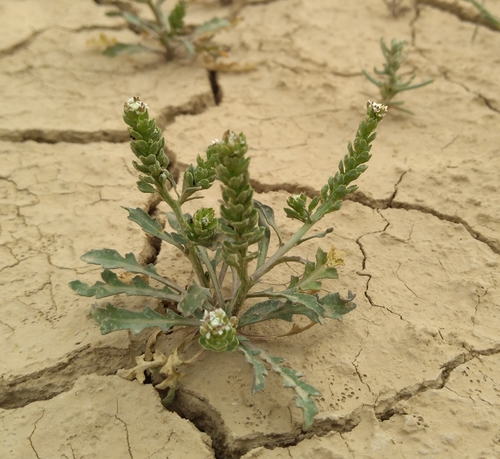
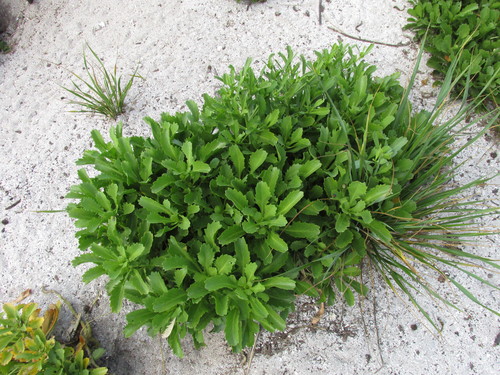
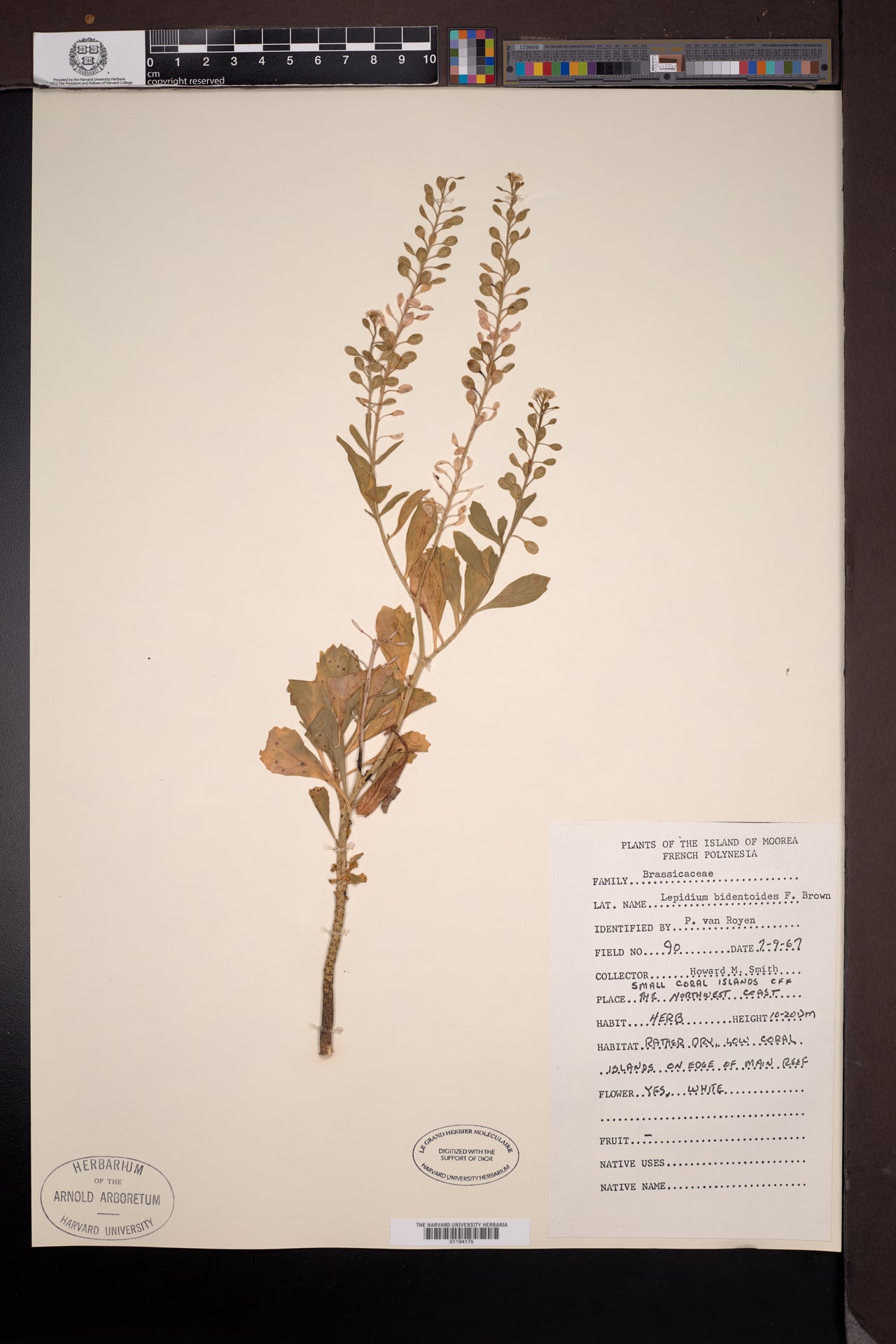
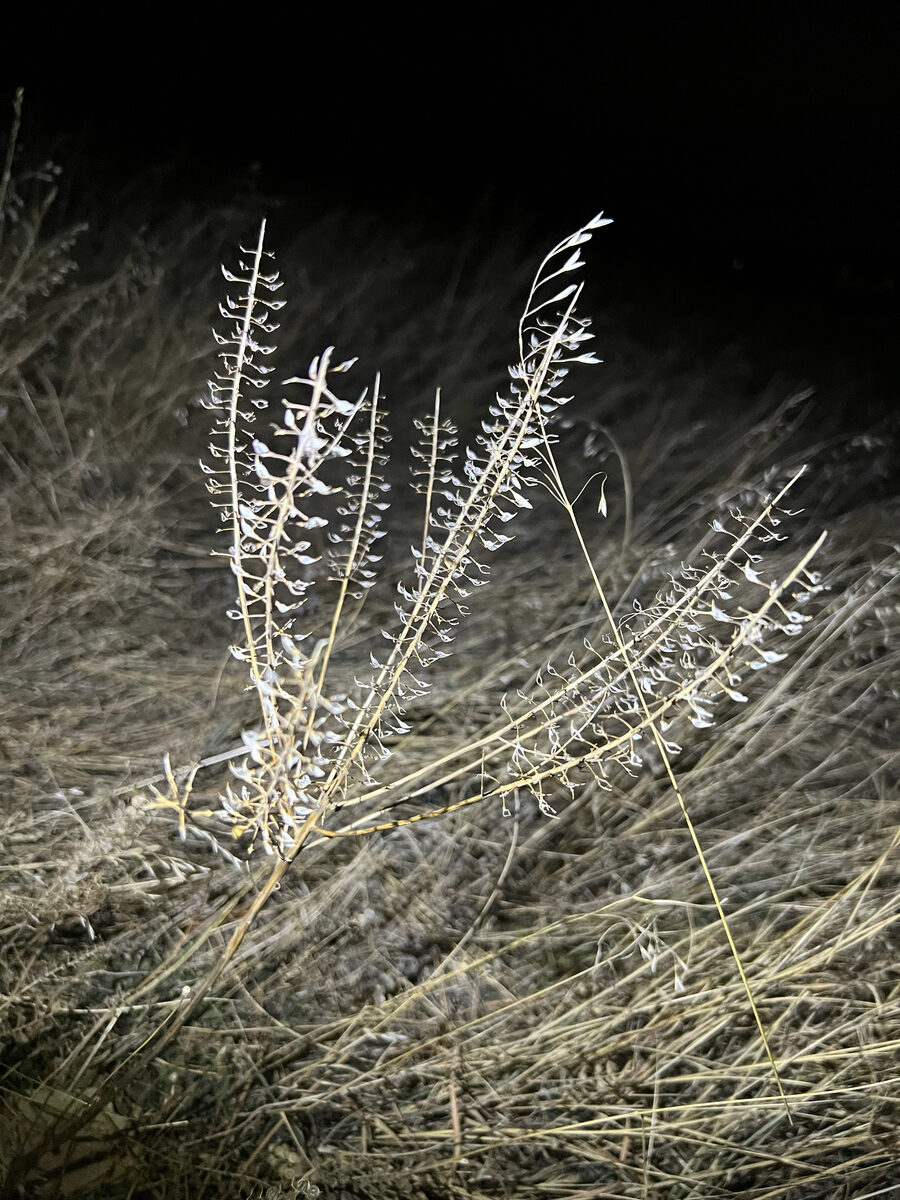
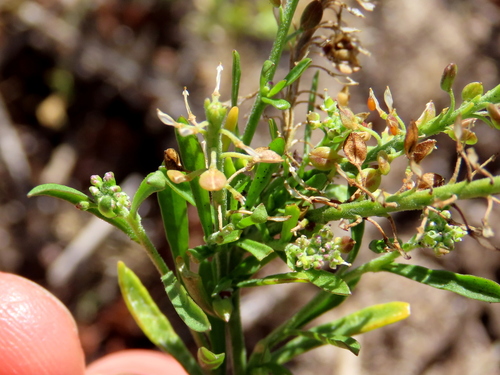
Lepidium iberis
L.
gbif· cc-by-nc
USAC, CECON, Herbario USCG (USAC-USCG)
gbif· cc-by
GBIF
gbif· cc-by
Herbarium of the University of Coimbra (COI)
Description
Lepidium iberis is a ANNUAL growing to 0.3 m (1ft). The species is hermaphrodite (has both male and female organs). Suitable for: light (sandy), medium (loamy) and heavy (clay) soils. Suitable pH: mildly acid, neutral and basic (mildly alkaline) soils. It can grow in semi-shade (light woodland) or no shade. It prefers moist soil.
Edible Uses
Young leaves - raw or cooked. A hot cress-like flavour.
Medicinal Uses
Diuretic Rubefacient. The plant is rubefacient. It is applied externally in the treatment of rheumatism. The seeds are used in the treatment of dropsy. The seeds of the sub-species L. iberis alba are used in Indian medicine. No more details are given.
Distribution
S. Europe to the Himalayas.
Where It Grows
TEMPERATE ASIA: Lebanon, Syria, Turkey EUROPE: Austria, Switzerland, Germany, Hungary, Slovakia, Latvia, Ukraine (incl. Krym), Albania, Bulgaria, Bosnia and Herzegovina, Greece, Croatia, Italy (incl. Sardinia, Sicily), North Macedonia, Montenegro, Romania, Spain (incl. Baleares), France (incl. Corsica), Portugal AFRICA: Algeria (north), Morocco
Cultivation
We have almost no information on this species and do not know if it will be hardy in Britain, though judging by its native range it should succeed outdoors at least in the milder parts of the country. The following notes are based on the general needs of the genus. Succeeds in most soils.
Propagation
Seed - sow spring in situ. Germination should take place within 3 weeks.