Iris sibirica
L.
Siberian Iris
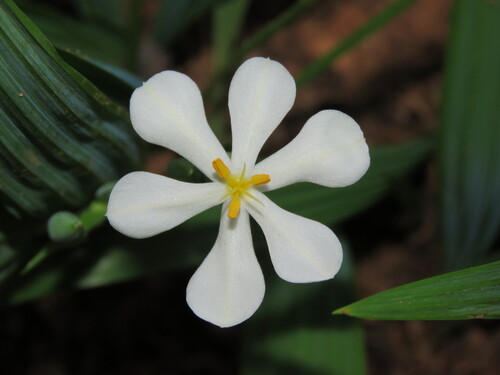
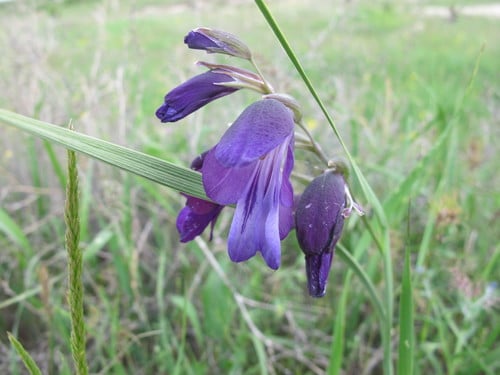
iNaturalist· cc-by-nc
(c) iris_siri, some rights reserved (CC BY-NC)
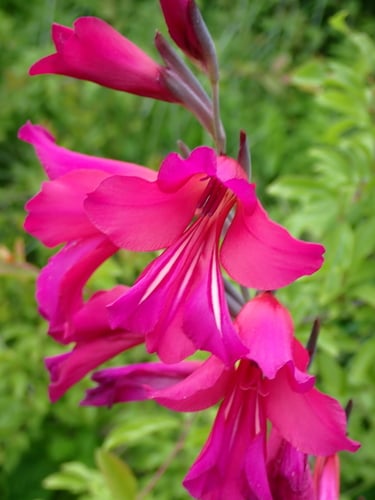
iNaturalist· cc-by
(c) Patrick Schwager, some rights reserved (CC BY), uploaded by Patrick Schwager
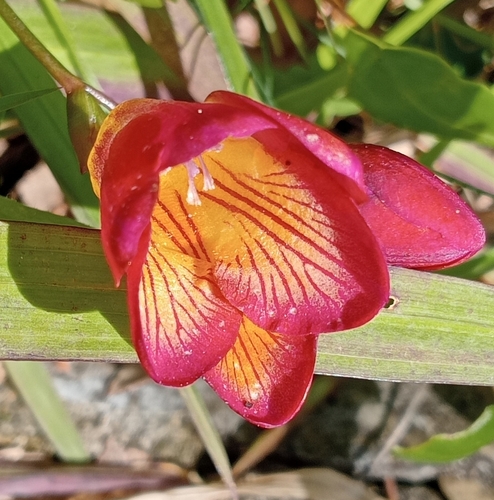
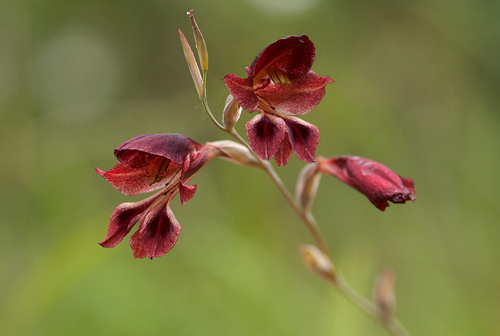
iNaturalist· cc-by-nc
(c) Osvaldo Negra, some rights reserved (CC BY-NC), uploaded by Osvaldo Negra
Description
Iris sibirica is a PERENNIAL growing to 0.6 m (2ft) by 1 m (3ft 3in) at a fast rate. See above for USDA hardiness. It is hardy to UK zone 6 and is not frost tender. It is in flower in June, and the seeds ripen from August to September. The species is hermaphrodite (has both male and female organs) and is pollinated by Insects. The plant is self-fertile. Suitable for: light (sandy) and medium (loamy) soils, prefers well-drained soil and can grow in heavy clay soil. Suitable pH: mildly acid, neutral and basic (mildly alkaline) soils. It can grow in semi-shade (light woodland) or no shade. It prefers moist or wet soil.
Edible Uses
Root - an edible starch is said to be extracted from it. The root is not eaten in China. Some caution is advised since there are reports that the plant might be poisonous. Perhaps the extracted starch is edible.
Medicinal Uses
Expectorant. Expectorant.
Known Hazards
Many plants in this genus are thought to be poisonous if ingested, so caution is advised. The roots are especially likely to be toxic. Plants can cause skin irritations and allergies in some people.
Distribution
C. Europe to Russia.
Where It Grows
TEMPERATE ASIA: Turkey, Russian Federation-Ciscaucasia (Ciscaucasia), Armenia, Azerbaijan, Russian Federation (Dagestan), Russian Federation-Western Siberia (Western Siberia), Russian Federation-Eastern Siberia (Eastern Siberia) EUROPE: Czechoslovakia, Austria, Switzerland, Germany, Hungary, Poland, Belarus, Estonia, Lithuania, Latvia, Moldova, Russian Federation (Saratov, Volgogradskaja oblast), Ukraine (incl. Krym), Former Yugoslavia, Bulgaria, Italy, Romania, France
Cultivation
Prefers a humus-rich soil, succeeding in a moist border or by water. Grows well in heavy clay soils. The plants are very cold tolerant, but they can be damaged when dormant if the soil is too moist. A very ornamental plant, there are many named varieties. Plant the roots out very shallowly. Members of this genus are rarely if ever troubled by browsing deer or rabbits.
Propagation
Seed - best sown as soon as it is ripe in a cold frame. Stored seed should be sown as early in the year as possible in a cold frame. Prick out the seedlings into individual pots when they are large enough to handle and grow them on in the greenhouse or cold frame for their first year. Plant out into their permanent positions in late spring or early summer. Division, best done in August/September after flowering but can also be done in April. Very easy, larger clumps can be replanted direct into their permanent positions, though it is best to pot up smaller clumps and grow them on in a cold frame until they are rooting well. Plant them out in the spring.
Other Uses
InsecticideAn insecticide is obtained from the plant. (from the root?)