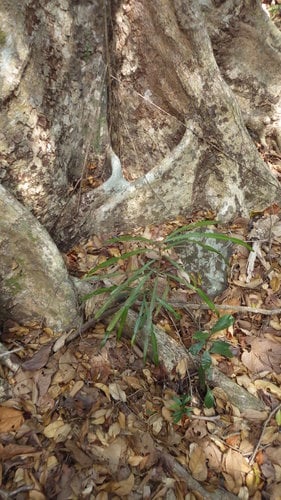
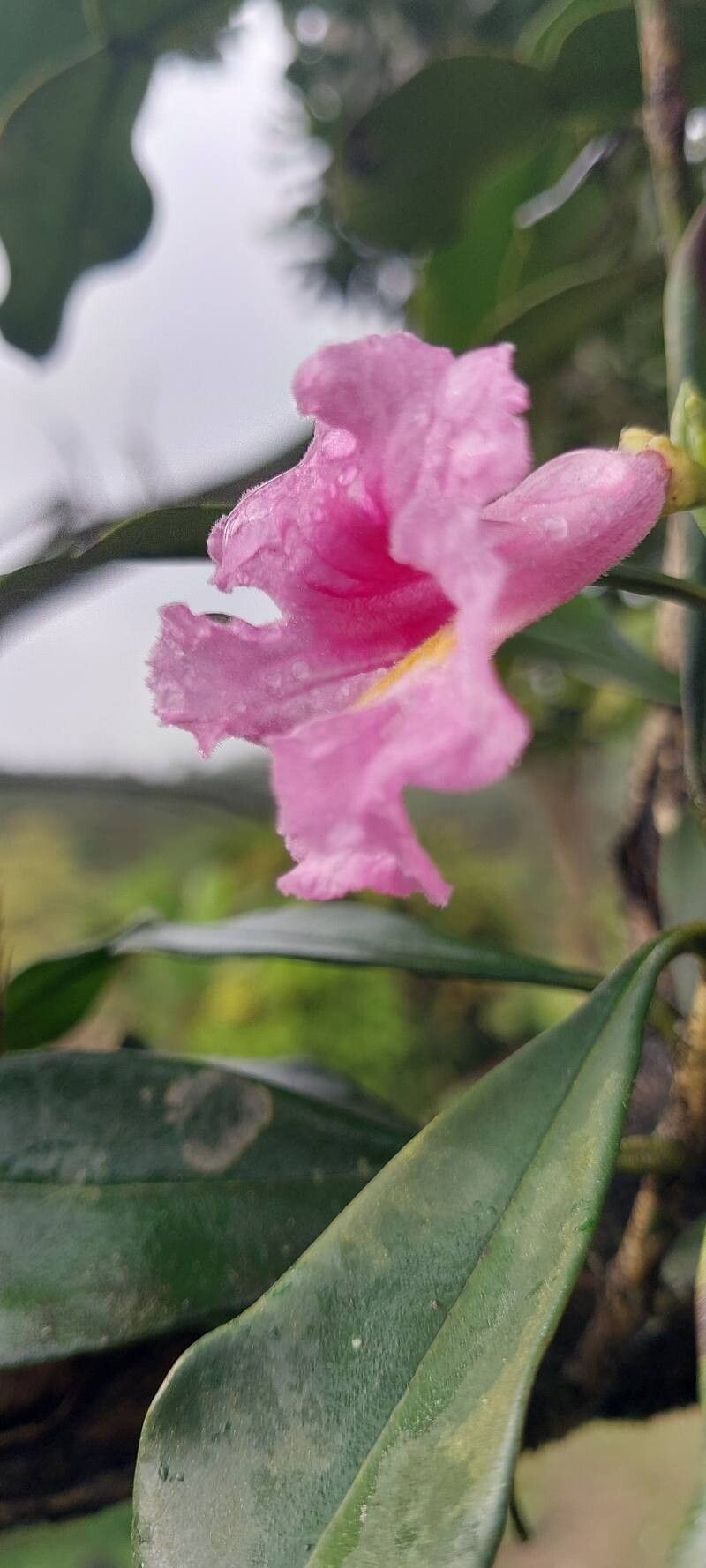
Incarvillea sinensis
Lam.
iNaturalist· cc-by
(c) zhangshen, some rights reserved (CC BY), uploaded by zhangshen
Description
Incarvillea sinensis is a ANNUAL/PERENNIAL growing to 0.9 m (3ft). See above for USDA hardiness. It is hardy to UK zone 4. The species is hermaphrodite (has both male and female organs). Suitable for: light (sandy) and medium (loamy) soils and prefers well-drained soil. Suitable pH: mildly acid, neutral and basic (mildly alkaline) soils. It can grow in semi-shade (light woodland) or no shade. It prefers moist soil and can tolerate drought. The plant can tolerates strong winds but not maritime exposure.
Edible Uses
Leaves and young shoots - cooked. A famine food, it is only used when all else fails. Some caution is advised, see the notes above on toxicity.
Medicinal Uses
Skin. The plant is used to treat skin ailments, spongy gums and ulcers.
Known Hazards
One report suggests that the plant might be slightly toxic.
Distribution
E. Asia - N. China, Manchuria.
Where It Grows
TEMPERATE ASIA: China (Gansu Sheng (west), Hebei Sheng, Henan Sheng, Hubei Sheng, Nei Mongol Zizhiqu, Ningxia Huizi Zizhiqu, Qinghai Sheng, Shaanxi Sheng, Shandong Sheng, Shanxi Sheng, Sichuan Sheng (north), Xizang Zizhiqu (southeast), Yunnan Sheng (northwest))
Cultivation
Easily grown in a deep well-drained sandy but rich soil in full sun. Plants grow better if they are given some shade around midday. Dislikes dry summer soils and winter wet. One report says that this species should be grown in a greenhouse whilst another says that it is hardy to about -15°, tolerating lower temperatures if the roots are well mulched, preferably with dry bracken. The crown of the plant requires protection from slugs in the winter. A very ornamental plant, it usually takes about 1 - 2 years to come into flower from seed. A variable species, some forms are perennial whilst others are annual. I. sinensis sinensis is an annual whilst I. sinensis variabilis (Batal.)Grierson is a perennial. Plants are intolerant of root disturbance, it is best to place them in their permanent positions whilst small. The plants will often sulk for several years if they are divided.
Propagation
Seed - sow autumn or spring in a greenhouse. Prick out the seedlings into individual pots as soon as they are large enough to handle. Grow on for at least their first winter in a greenhouse and plant out into their permanent positions in spring after the last expected frosts. Division with care in early spring or autumn.