Gaultheria insana - (Molina.)Middleton.
(Molina.)Middleton.
gbif· cc-by-nc
maite trostel reyes
gbif· cc-by-nc
Leonardo Tempesta
gbif· cc-by-nc
Leonardo Tempesta
Description
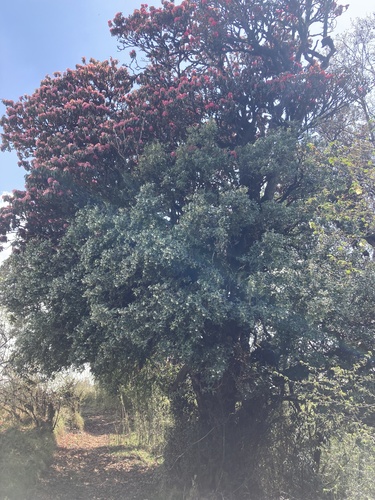
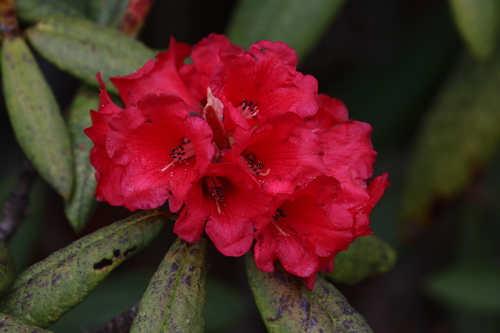
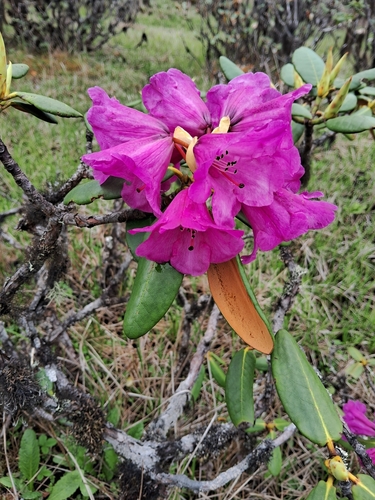
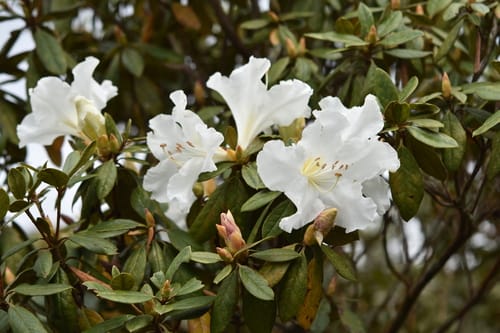
Gaultheria insana is an evergreen Shrub growing to 0.5 m (1ft 8in). See above for USDA hardiness. It is hardy to UK zone 6. It is in leaf all year, in flower from April to June. The species is hermaphrodite (has both male and female organs). Suitable for: light (sandy), medium (loamy) and heavy (clay) soils. Suitable pH: mildly acid and neutral soils and can grow in very acid soils. It can grow in semi-shade (light woodland) or no shade. It prefers moist soil.
Edible Uses
Most members of this genus have more or less edible fruits, but it is unwise to eat the fruits of this species. See below under medical uses for more information.
Medicinal Uses
The fruits cause intoxication when consumed. The person becomes confused, often suffers delirium and, if the fruit is taken in excess, a permanent mental condition that mimics insanity can be caused.
Distribution
S. America - S. Chile, Argentina.
Where It Grows
Coming Soon
Cultivation
Prefers a cool moist but not boggy humus rich soil in shade or semi-shade. A peat and moisture loving species, it requires a lime-free soil. Prefers full sun but tolerates light shade. This species is slightly tender in Britain and does not succeed in the colder parts of the country. Plants in this genus are notably resistant to honey fungus.
Propagation
The seed requires a period of cold stratification. Pre-chill for 4 - 10 weeks and then surface sow in a lime-free compost in a shady part of the greenhouse and keep the compost moist. The seed usually germinates well, usually within 1 - 2 months at 20°c, but the seedlings are liable to damp off. It is important to water them with care and to ensure that they get plenty of ventilation. Watering them with a garlic infusion can also help to prevent damping of. Prick out the seedlings into individual pots when they are about 25mm tall and grow them on in light shade in the greenhouse for at least their first winter. Plant them out in late spring or early summer. The seedlings are susceptible to spring frosts so might need some protection for their first few years outdoors. The leaves remain very small for the first few years. Cuttings of half-ripe wood 3 - 6cm long, July/August in a frame in a shady position. They form roots in late summer or spring. A good percentage usually take. Division in spring just before new growth begins. Larger clumps can be replanted direct into their permanent positions, though it is best to pot up smaller clumps and grow them on in a cold frame until they are rooting well. Plant them out in the spring. Layering.