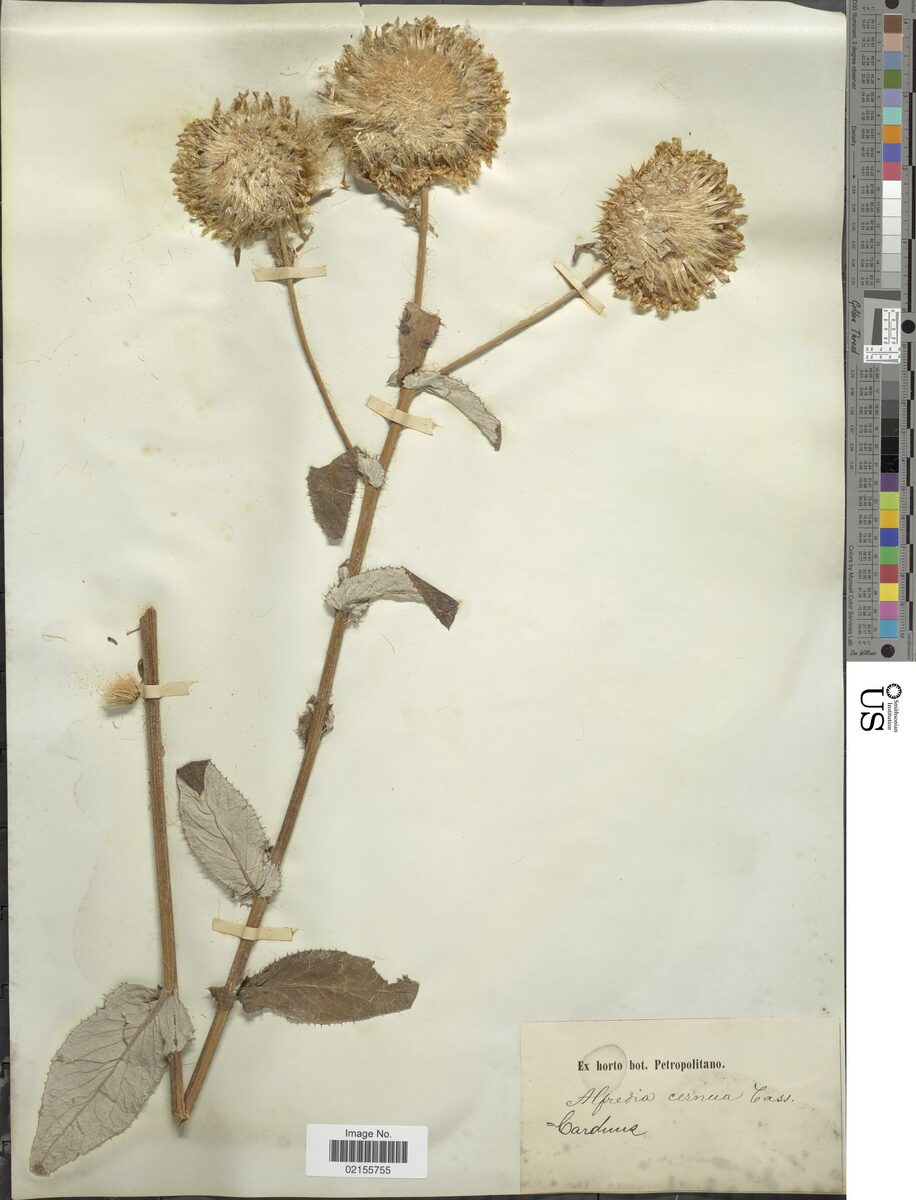
Eupatorium chinense
L.
iNaturalist· cc-by-nc
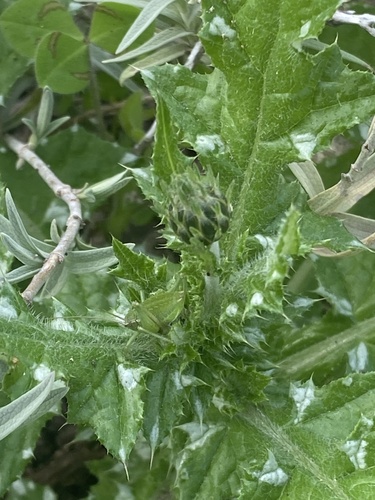
(c) Alan Kwok (King Lun), Ada Tai (Ah Heung) / 阿達蘭 AdAlan, some rights reserved (CC BY-NC), uploaded by Alan Kwok (King Lun), Ada Tai (Ah Heung) / 阿達蘭 AdAlan
iNaturalist· cc-by
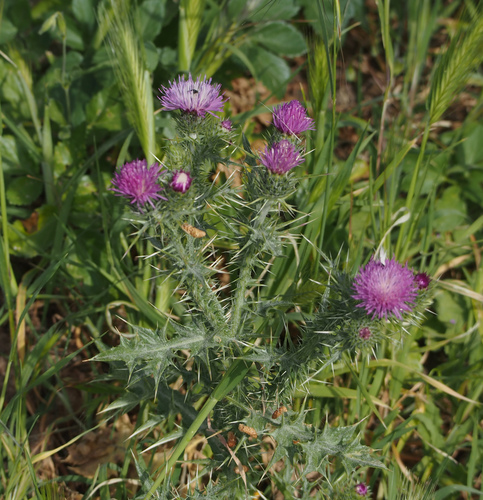
(c) 沈玟伶(Wen-Ling Shen), some rights reserved (CC BY), uploaded by 沈玟伶(Wen-Ling Shen)
Description
Eupatorium chinense is a PERENNIAL growing to 1.8 m (6ft). See above for USDA hardiness. It is hardy to UK zone 7. The species is hermaphrodite (has both male and female organs) and is pollinated by Insects. The plant is self-fertile. Suitable for: light (sandy), medium (loamy) and heavy (clay) soils and prefers well-drained soil. Suitable pH: mildly acid, neutral and basic (mildly alkaline) soils. It can grow in semi-shade (light woodland) or no shade. It prefers moist soil.
Edible Uses
The young leaves are used as a flavouring. Some caution is required, see notes above on toxicity. The powdered plant is used in Nepal to prepare marcha, a fermenting cake from which liquor is distilled.
Medicinal Uses
Anodyne Carminative Diuretic Nervine Vermifuge Women's complaints. The leaves are anodyne, carminative, diuretic, nervine and vermifuge. An infusion is used in the treatment of colds, diphtheria and rheumatoid arthritis. The leaves and stems are harvested in the summer before the flower buds open, and are dried for later use. The seed is prescribed in China for the '36 diseases of women'. The root is considered to be beneficial to the circulation and a restorative to women after parturition. The roots are harvested in the autumn and dried for later use. The milky latex is applied to treat goitre.
Known Hazards
This plant is poisonous, especially the leaves, but it is used medicinally to treat large carbuncles, scabies, poisonous snake bites, and to alleviate pain.
Distribution
E. Asia - China, Japan, Korea.
Where It Grows
TEMPERATE ASIA: China (Anhui Sheng, Fujian Sheng, Gansu Sheng, Guangdong Sheng, Guangxi Zhuangzu Zizhiqu, Guizhou Sheng, Hainan Sheng, Henan Sheng, Hubei Sheng, Hunan Sheng, Jiangsu Sheng, Jiangxi Sheng, Shaanxi Sheng, Sichuan Sheng, Yunnan Sheng, Zhejiang Sheng), Korea, South, Korea, North, Taiwan TROPICAL ASIA: India (Himachal Pradesh, Meghalaya, Arunachal Pradesh), Nepal
Cultivation
Succeeds in ordinary well-drained but moisture retentive garden soil in sun or part shade. Plants seem to be immune to the predations of rabbits. A polymorphic species.
Propagation
Seed - sow spring in a cold frame and only just cover the seed. Prick out the seedlings into individual pots when they are large enough to handle and plant them out into their permanent positions in the summer. Division in spring or autumn. Very easy, the clumps can be replanted direct into their permanent positions.
Other Uses
The powdered plant is used in Nepal to prepare marcha, a fermenting cake from which liquor is distilled.