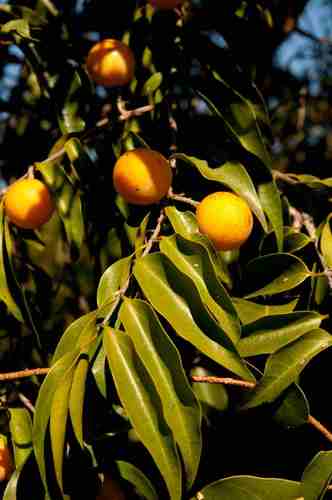
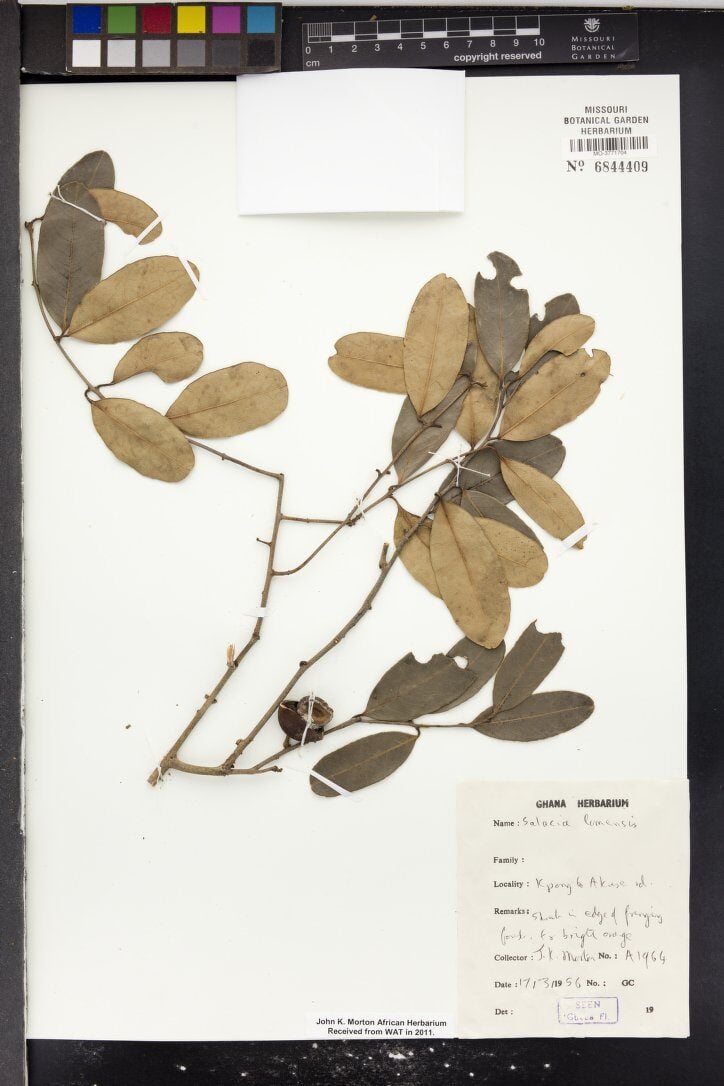
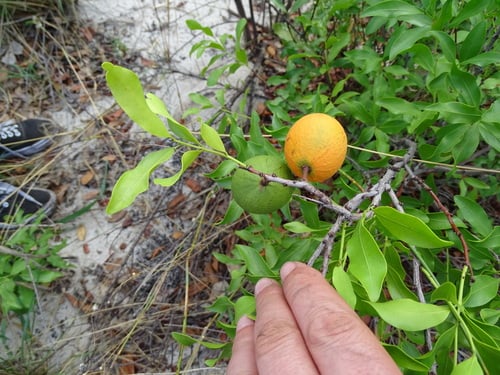
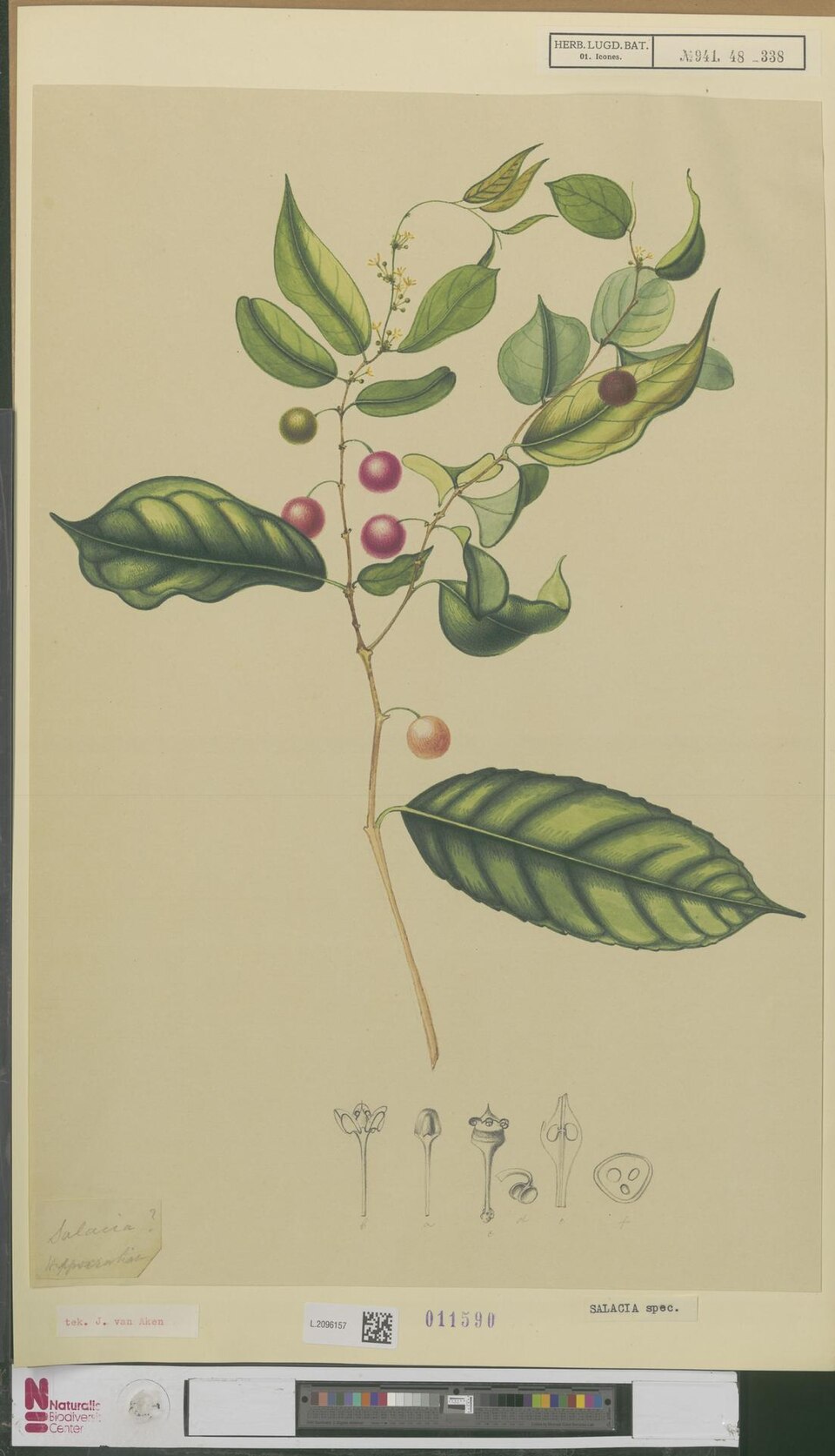
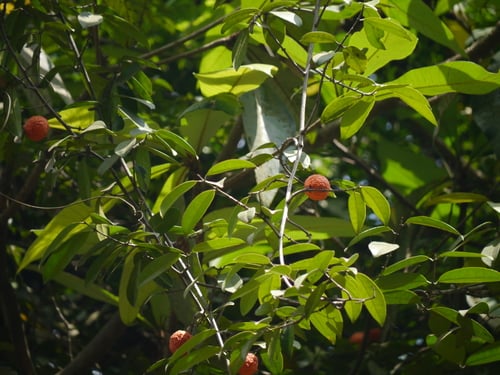
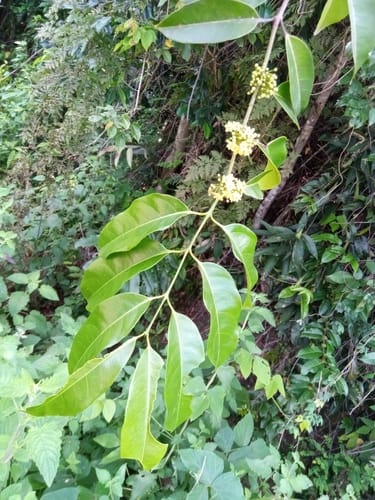
Maytenus vitis-idaea
Griseb.
Fleshy leaf mayten
iNaturalist· cc-by
(c) Tomás Carranza Perales, some rights reserved (CC BY), uploaded by Tomás Carranza Perales
iNaturalist· cc-by-nc
(c) andrea_janin, some rights reserved (CC BY-NC)
iNaturalist· cc-by-nc
(c) andrea_janin, some rights reserved (CC BY-NC)
Description
A shrub or small tree. It keeps growing from year to year. It grows 2-5 m tall. The trunk is 30 cm across. The leaves are 10-90 mm long by 6-70 mm wide. The fruit are red. They are 12-16 mm long by 5-7 mm wide. There are 1-3 seeds.
Edible Uses
The fruit are eaten. The ashes of the stems and leaves are added as a spice or plant salt to many foods.
Traditional Uses
The ashes of the stems and leaves are added as a spice or plant salt to many foods.
This uses section is brief — help expand it
Distribution
It is a subtropical plant. In Argentina it grows from sea level to 2,000 m above sea level.
Where It Grows
Argentina, Bolivia, Brazil, Paraguay, South America*, Uruguay,
Synonyms
Also Known As
Carne gorda, Chaplan, Colquiyuyo, Hekketo, Indio-yuki, Ivira-yuqui, Mboreti-caa, Palta, Sal de indio, Sohowa, To, Yerba del tapir, Yuquira mayor
References (4)
- Arenas, P. and Scarpa, G. F., 2006, Edible wild plants of the Chorote Indians, Gran Chaco, Argentina. Botanical Journal of the Linnean Society. Vol. 153 (1): pp 73-85
- Grandtner, M. M. & Chevrette, J., 2013, Dictionary of Trees, Volume 2: South America: Nomenclature, Taxonomy and Ecology. Academic Press p 390
- Polini, G., et al, Useful and edible plants of Paraguay Region of Chaco. p 62
- Scarpa, G. F., 2009, Wild food plants used by the indigenous peoples of South American Gran Chaco: A general synopsis and intercultural comparison. Journal of Applied Botany and Food Quality 83:90-101