Ephedra major
Host.
Ma Huang
gbif· cc-by-nc-nd
Goossens Norbert
gbif· cc-by
GBIF
gbif· cc-by
GBIF
Description
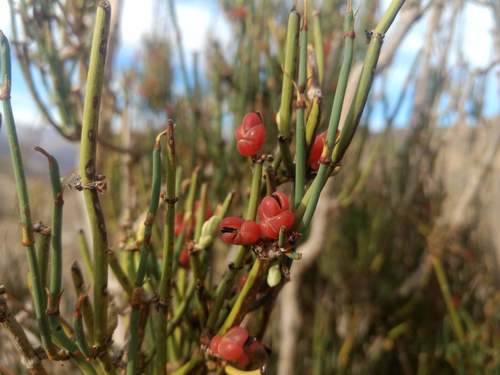
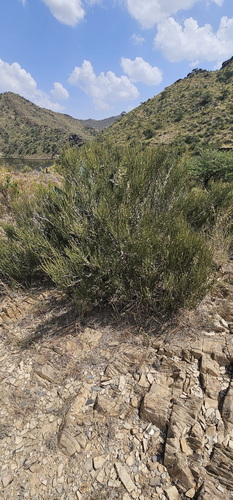
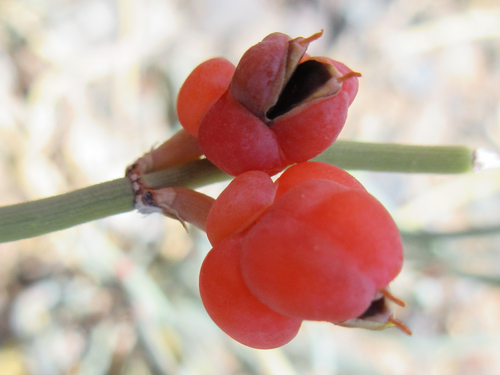
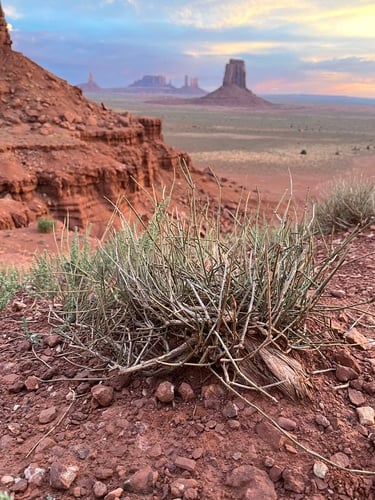
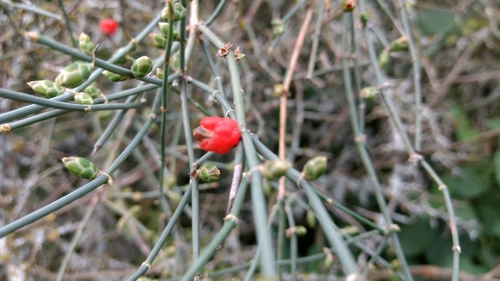
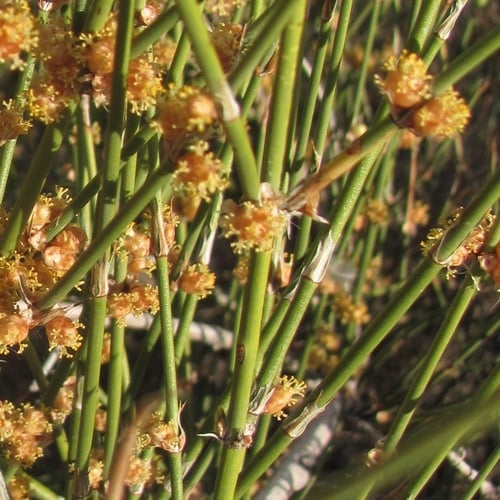
Ephedra major is an evergreen Shrub growing to 2 m (6ft) by 1 m (3ft 3in). See above for USDA hardiness. It is hardy to UK zone 6. It is in leaf all year. The species is dioecious (individual flowers are either male or female, but only one sex is to be found on any one plant so both male and female plants must be grown if seed is required). . The plant is not self-fertile. Suitable for: light (sandy) and medium (loamy) soils and prefers well-drained soil. Suitable pH: mildly acid, neutral and basic (mildly alkaline) soils. It cannot grow in the shade. It prefers dry or moist soil and can tolerate drought.
Edible Uses
Fruit - raw.
Medicinal Uses
Antiasthmatic Antidote Cardiac Diaphoretic Diuretic Febrifuge Nervine Pectoral Tonic Vasoconstrictor Vasodilator. Members of this genus contain various medicinally active alkaloids (but notably ephedrine) and they are widely used in preparations for the treatment of asthma and catarrh. This species is the richest source of ephedrine in India, the stems containing over 2.5% total alkaloids, of which about 75% is ephedrine. The whole plant can be used at much lower concentrations than the isolated constituents - unlike using the isolated ephedrine, using the whole plant rarely gives rise to side-effects. The plant also has antiviral effects, particularly against influenza. The stems are a pungent, bitter, warm herb that dilates the bronchial vessels whilst stimulating the heart and central nervous system. The stems are also diaphoretic, diuretic, febrifuge, hypertensive, nervine, pectoral, tonic, vasoconstrictor and vasodilator. They are used internally in the treatment of asthma, hay fever and allergic complaints. They are also combined with a number of other herbs and used in treating a wide range of complaints. This herb should be used with great caution, preferably under the supervision of a qualified practitioner. It should not be prescribed to patients who are taking monoamine oxidase inhibitors, or suffering from high blood pressure, hyperthyroidism or glaucoma. Ephedrine is seen as a performance-boosting herb and, as such, is a forbidden substance in many sporting events such as athletics. The stems can be harvested at any time of the year and are dried for later use.
Distribution
Europe to E. Asia - the Mediterranean to the Himalayas.
Where It Grows
TEMPERATE ASIA: Cyprus, Turkey EUROPE: Albania, Bosnia and Herzegovina, Greece, Croatia, Italy (incl. Sardinia, Sicily), North Macedonia, Serbia, Spain, France
Cultivation
Requires a well-drained loamy soil and a sunny position. Established plants are drought resistant and are also lime tolerant. Dioecious, male and female plants must be grown if fruit and seed are required.
Propagation
Seed - best sown as soon as it is ripe in the autumn in a greenhouse. It can also be sown in spring in a greenhouse in a sandy compost. Prick out the seedlings into individual pots as soon as they are large enough to handle and grow them on for at least their first winter in a greenhouse. Plant out in the spring or early summer after the last expected frosts and give some protection in their first winter. Division in spring or autumn. Layering.