Eugenia klotzschiana
Berg
Brazilian pear, Cerrado pear
iNaturalist· cc-by-nc
(c) Thiago RBM, some rights reserved (CC BY-NC), uploaded by Thiago RBM
Summary
Source: WikipediaEugenia klotzschiana, or cerrado pear, is a species of plant in the family Myrtaceae. It is found in Brazil. The shrub produces fruit that are eaten.
Description
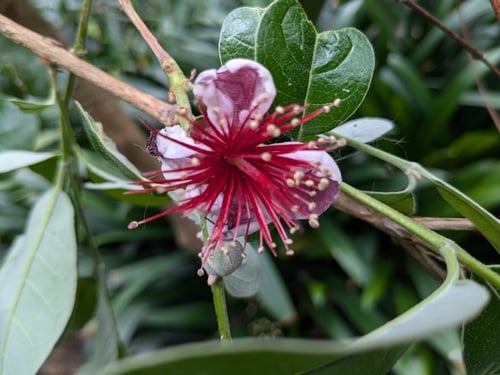
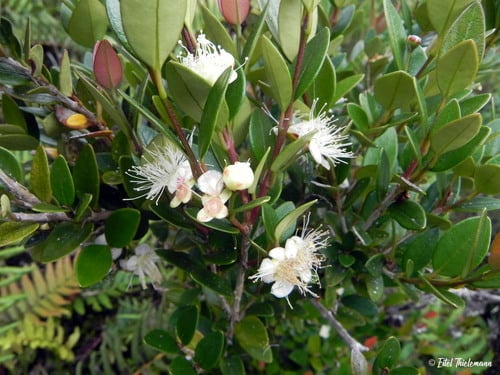
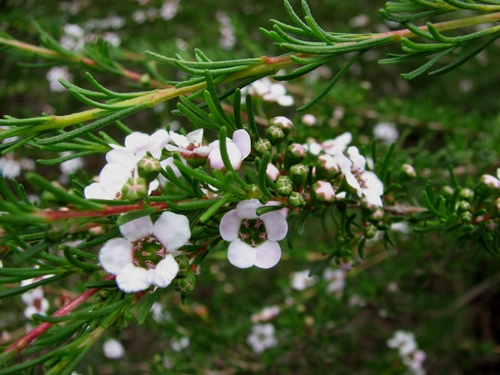
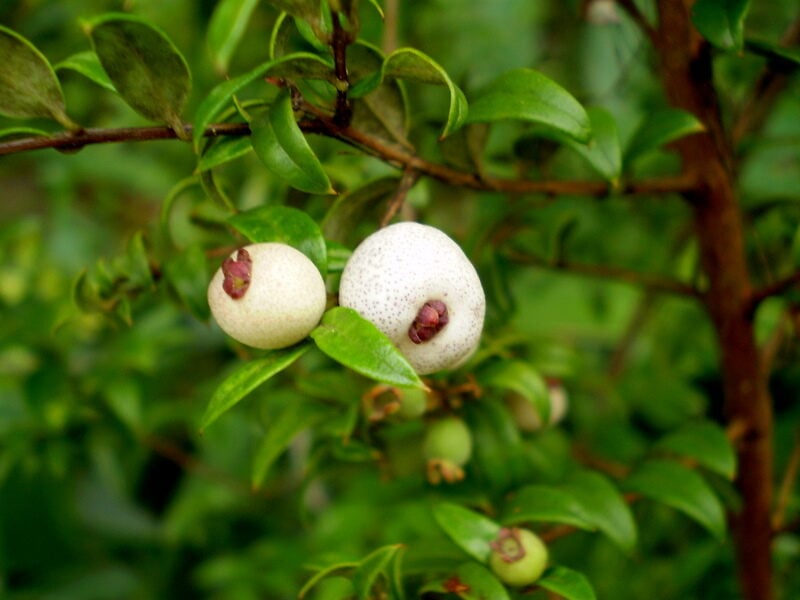
A small slender shrub. It grows up to 1.5 m tall. The branches can hand down. The leaves are hard and brittle. They are covered with silvery hairs underneath. The flowers occur singly in the axils of leaves. They are white and have a scent. The fruit is pear shaped and with a strong sweet smell. It is 5-10 cm long. There are 1-4 seeds inside.
Edible Uses
Fruits - eaten raw or made into jellies. The aromatic, pear-shaped fruit is juicy, with an acid flavour. The thin-skinned fruit has a thick, fleshy, succulent pulp with a very characteristic, acidic flavour. The yellow, pear-shaped fruit is about 13cm long and 7cm wide, it can weigh 60 - 90g.
Traditional Uses
The fruit are eaten raw and also used for jelly, jams and juices.
This uses section is brief — help expand it
Medicinal Uses
None mentioned.
Distribution
A tropical plant.
Where It Grows
Bolivia, Brazil*, South America,
Cultivation
It is grown from seed
Other Information
It is occasionally cultivated as a fruit tree. Fruit are not well known.
Notes
There are about 550 Eugenia species. They are mostly in tropical and subtropical South America.
Nutrition
| Part | Moisture | kJ | kcal | Protein | Vit A | Vit C | Iron | Zinc |
|---|---|---|---|---|---|---|---|---|
| Fruit | 88.3 | 178 | 43 | 0.6 | — | — | — | — |
Also Known As
Cabacinha-do-campo, Pera-do-campo
References (12)
- Brazil: Biodiversity for Food and Nutrition. http://www.b4fn.org/countries/brazil/
- Facciola, S., 1998, Cornucopia 2: a Source Book of Edible Plants. Kampong Publications, p 157
- Garner, R.J., and Chaudhri, S.A., (Ed.) 1976, The Propagation of Tropical fruit Trees. FAO/CAB. p 350
- Hermandez Bermejo, J.E., and Leon, J. (Eds.), 1994, Neglected Crops. 1492 from a different perspective. FAO Plant Production and Protection Series No 26. FAO, Rome. p16
- Hunter, D., et al, 2019, The potential of neglected and underutilized species for improving diets and nutrition. Planta (2019) 250:709-729
Show all 12 references Hide references
- Kermath, B. M., et al, 2014, Food Plants in the Americas: A survey of the domesticated, cultivated and wild plants used for Human food in North, Central and South America and the Caribbean. On line draft. p 355
- Lorenzi, H., Bacher, L., Lacerda, M. & Sartori, S., 2006, Brazilian Fruits & Cultivated Exotics. Sao Paulo, Instituto Plantarum de Estuados da Flora Ltda. p 201
- C. F. P. Martius, Fl. bras. 14(1):255. 1857
- Popenoe, W., 1920, Manual of tropical and subtropical fruits. Macmillan. New York. (pp 474)
- Silva, S. P., 1991, Frutas Brasil. Empresa das Artes, Sao Paulo
- Uphof,
- www.colecionandofrutas.org