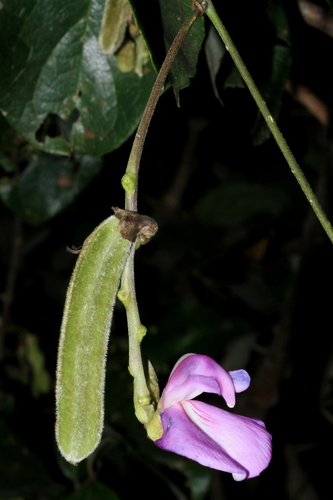
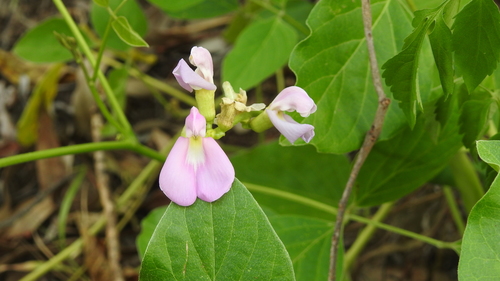
Copaifera langsdorffii
Desf.
Copaiba, Langsdorf's copaifera
iNaturalist· cc-by
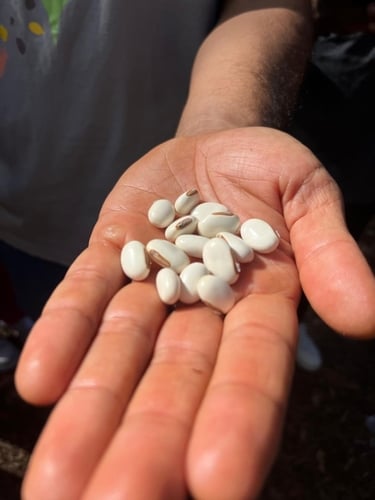
(c) Márcia Martins, some rights reserved (CC BY), uploaded by Márcia Martins
iNaturalist· cc-by
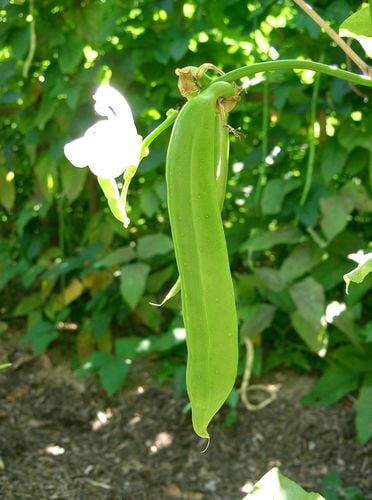
(c) Douglas, some rights reserved (CC BY), uploaded by Douglas
iNaturalist· cc-by-nc
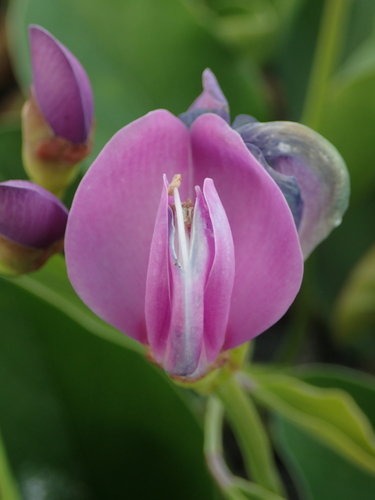
(c) Nelson Wisnik, some rights reserved (CC BY-NC), uploaded by Nelson Wisnik
Description
Copaifera langsdorffii is an evergreen Tree growing to 18 m (59ft) by 18 m (59ft) at a slow rate. See above for USDA hardiness. It is hardy to UK zone 10. The flowers are pollinated by Bees. It can fix Nitrogen. Suitable for: light (sandy), medium (loamy) and heavy (clay) soils and prefers well-drained soil. Suitable pH: mildly acid, neutral and basic (mildly alkaline) soils. It can grow in full shade (deep woodland) or semi-shade (light woodland). It prefers moist soil and can tolerate drought.
Edible Uses
Condiment. The resin has been approved officially in the U.S. as a food additive and is used in small amounts as a flavouring agent in foods and beverages.
Medicinal Uses
Anodyne Antacid Antibacterial Antifungal Antiinflammatory Antiseptic Antitumor Aromatic Astringent Cytostatic Demulcent Digestive Disinfectant Diuretic Eczema Expectorant Kidney Laxative Skin Stimulant Urinary Vermifuge. Copaiba-balsam, an oily oleo-resin obtained from the trunk of the tree, has a very long history of use medicinally. It was widely used by the native peoples prior to the Europeans reaching S. America and these uses were soon taken up by the Europeans. The resin is especially valued for its ability to counter mucous in the chest and genito-urinary system. The resin is an aromatic, stimulant herb with a bitter, burning taste. Both it and the bark are anodyne, antacid, antibacterial, antifungal, antiinflammatory, antimicrobial, astringent, cytostatic, demulcent, digestive, disinfectant, diuretic, expectorant, mildly laxative, vermifuge and vulnerary. The resin obtained from the trunk contains a number of medically active constituents including 30 - 90% essential oils and unusual condensed tannins. The essential oil contains alpha- and beta-caryophyllene, sesquiterpenes, resins and terpenic acids. It improves the digestion, has diuretic and expectorant effects, and controls bacterial infections. Much of the clinical research performed to date has verified the traditional uses of copaiba. It has, for instance, been shown to be highly effective as a topical wound healer and anti-inflammatory agent. The anti-inflammatory effect is mainly due to the sesquiterpenes, particularly caryophyllene which has also demonstrated effective pain-relieving properties, antifungal properties against nail fungus and gastroprotective properties. The resin as a whole (and, particularly, two of its diterpenes - copalic acid and kaurenic acid) has demonstrated significant antimicrobial activity against gram-positive bacteria. One of copaiba?s other chemicals, kaurenoic acid, has also demonstrated selective antibacterial activity against Gram-positive bacteria in other recent studies[318. Other constituents of the resin have demonstrated significant antitumor activity. The resin is taken internally in the treatment of a range of respiratory problems such as tuberculosis, bronchitis and sinusitis; urinary tract and reproductive system conditions such as cystitis, kidney and bladder infections, vaginal discharge and gonorrhoea. Stomach ulcers, tetanus, herpes, pleurisy and haemorrhages are just some of the other conditions treated with the resin. Externally, it is used in the treatment of a range of skin problems including insect bites, eczema, chilblains, sores and psoriasis[ 238 , 254. It is also used to treat wounds and stop bleeding. As an antiseptic gargle, it is used to treat sore throats and tonsillitis. The resin should be used with care, see notes above on toxicity. The resin is tapped at intervals from the tree and the holes filled in afterwards. It is used in infusions or distilled for its essential oil.
Known Hazards
Used in excess, the resin is purgative and can cause skin rashes and kidney damage. It creates an irritant action on the whole mucous membrane, causes an eruption resembling measles attended with irritation and tingling.
Distribution
S. America - Argentina, Paraguay, Brazil, Bolivia, Guyana.
Where It Grows
SOUTHERN AMERICA: Guyana, Brazil, Bolivia (Mapiri), Argentina (Misiones), Paraguay
Cultivation
Prefers a sunny position. Prefers a well-drained sandy soil and a position in shade. Tolerates a pH in the range 4.5 - 7.5. Established plants are drought tolerant, and also tolerate some waterlogging of the soil. The tree is quite slow growing, two year old specimens are usually less than 2 metres tall. The trees tend towards a triennial pattern of seed production. A single copaiba tree can provide about 40 litres of oleoresin annually, making it a sustainable rainforest resource that can be harvested without destroying the tree or the forest in which it grows. Trees can yield up to 55 litres of resin per year. The resin accumulates in cavities within the tree trunk and is harvested by tapping or drilling holes into the wood of the trunk and collecting the resin that drips out, much in the same manner as harvesting maple syrup. When tapped, the initial oily resin is clear, thin, and colourless; it thickens and darkens upon contact with air. Commercially sold resins are a thick, clear liquid, with a colour that varies from pale yellow to golden light brown. Carbon Farming - Cultivation: new crop. Management: standard.
Propagation
Seed - best sown as soon as it is ripe in a semi-shaded position in a nursery seedbed or in individual containers. A germination rate in excess of 60% can be expected, with the seeds sprouting within 20 - 40 days. Seedlings grow away slowly. Firm softwood cuttings.
Other Uses
Containers Disinfectant Essential Fuel Furniture Lacquer Resin Tannin Varnish Wood Other Uses: An oleoresin is obtained from the tree by boring holes in the trunk up to the heartwood. It is an important fixative in perfumes - especially those with violet, woody or spicy notes. Today in the United States, copaiba resin is used mostly as a fragrance component in perfumes and in cosmetic preparations (including soaps, bubble baths, detergents, creams, and lotions) for its antibacterial, anti-inflammatory and emollient (soothing and softening) properties. The resin is also used in varnishes and lacquers. The resin can be used, direct from the tree, as a substitute for diesel oil. The resin is thin and clear but on aging becomes thick and acquires a yellowish tinge. Tannin is obtained from the bark. The heartwood is pink to red-brown with copper-coloured veins; it is clearly demarcated from the 2 - 3cm wide band of sapwood. The texture is medium; the grain straight or interlocked, sometimes wavy. The wood is light to very light in weight, soft to moderately hard; somewhat durable being resistant to dry wood borers but susceptible to fungi and termites. It seasons quickly with very little risk of checking or distortion; once dry it is moderately stable to stable in service. It can be worked with normal tools, though they need to be kept sharp to avoid fuzzy surfaces; nailing and screwing are often poor; gluing is correct. The wood has a wide range of uses, including for general construction, light carpentry, turnery, interior panelling and joinery, flooring, boxes and crates, furniture, veneer and fibre boards. The balsamiferous wood burns readily, perhaps even when green. Carbon Farming - Industrial Crop: hydrocarbon, medicinal.
Synonyms
Also Known As
Copaiba or Diesel Tree (Copiafera langsdorffii)