Chenopodium graveolens
Willd.
Foetid Goosefoot
gbif· cc-by-nc
US Forest Service - Tonto National Forest (USFS-TNF)
gbif· cc-by-nc
Arizona State University Vascular Plant Herbarium (ASU-Plants)
gbif· cc-by-nc
Arizona State University Vascular Plant Herbarium (ASU-Plants)
Description
Chenopodium graveolens is a ANNUAL growing to 0.4 m (1ft 4in) by 0.2 m (0ft 8in). See above for USDA hardiness. It is hardy to UK zone 5. It is in flower from July to October, and the seeds ripen from August to October. The species is hermaphrodite (has both male and female organs) and is pollinated by Wind. Suitable for: light (sandy), medium (loamy) and heavy (clay) soils. Suitable pH: mildly acid, neutral and basic (mildly alkaline) soils. It cannot grow in the shade. It prefers moist soil.
Edible Uses
Seeds and leaves are technically edible but not recommended due to toxicity concerns. Flavour is acceptable, even pleasant, but the safety profile places it in a low edibility tier. Foragers should choose weak-scented Chenopodium species instead. Leaves - raw or cooked. Used like spinach. The raw leaves should only be eaten in small quantities, see the notes above on toxicity. Seed - cooked. It can be ground into a meal and used with cereal flours in making bread, dumplings etc. The seed is small and fiddly, it should be soaked in water overnight and thoroughly rinsed before it is used in order to remove any saponins. Edible Uses & Rating: Although technically edible, fetid goosefoot falls into the lowest safety category for routine consumption due to the presence of essential oils containing ascaridole and related compounds. The leaves, flowers, and seeds were used sparingly by some Indigenous groups, but only in small quantities. As a wild food it should be considered experimental at best, potentially harmful at worst, and is not recommended as a regular edible. Seeds are the most promising part, offering flavour and nutrition similar to quinoa, but their safety profile remains uncertain. Taste, Processing & Kitchen Notes: Fresh leaves have a strong resinous, aromatic character similar to ragweed combined with herbal, medicinal undertones. The taste is powerful but not necessarily offensive, though it is distinctly unconventional. The resin on the leaves imparts a mild acrid or peppery sensation, which may intensify when large amounts are consumed. Boiling reduces some of the resinous notes but does not eliminate them entirely. Flowers taste similar to the leaves but are milder. Seeds are genuinely pleasant when cooked. Toasting brings out a nutty, aromatic quality; boiling produces a soft porridge-like texture resembling quinoa. Resinous flavours may linger, especially if the seeds have not been rinsed or toasted beforehand. Overall, seeds offer good culinary performance, but the plant’s potential toxicity overshadows its gastronomic merits. Seasonality (Phenology): Growth begins in late spring as temperatures rise. Flowering occurs through summer, with seed production peaking in late summer to early autumn. Plants gradually turn red, then brown, becoming brittle as seed clusters fully mature. Remarkably, the seeds can persist on dried stalks for many weeks or months, enabling flexible harvest even after first frosts. Safety & Cautions (Food Use): Due to its strong essential oils—particularly ascaridole—fetid goosefoot poses notable toxicity risks. Potential symptoms include nausea, vomiting, dizziness, headache, disorientation, irregular heartbeat, convulsions, or coma when consumed in significant quantities. Historically, some Dysphania species were used medicinally as vermifuges. Leaves, flowers, and seeds should not be eaten frequently or in large volumes. Cooking reduces but does not eliminate risk. Individuals should exercise great caution and avoid using the plant as a staple food. Harvest & Processing Workflow: If experimenting with the plant (not recommended as routine), seeds should be harvested when the stalks turn red to brown and become brittle. Seed clusters can be rubbed to release seeds and lightly winnowed to remove chaff. Toasting or boiling improves flavour and reduces resinous overtones. Leaves and flowers, if used, should be harvested young and boiled thoroughly. Look-Alikes & Confusion Risks: Fetid goosefoot is easily confused with weak-scented Chenopodium species; however, its sticky, glandular leaves and intense aroma immediately distinguish it. Confusion with Dysphania botrys (oakleaf goosefoot) or Dysphania ambrosioides (epazote) is possible. Fortunately, these species share similar cautionary profiles. The greatest risk comes from mistaking fetid goosefoot for a mild, safe goosefoot—pay attention to scent and resin. Traditional / Indigenous Use Summary: Ethnobotanical records document limited consumption of fetid goosefoot. The Hopi consumed the flowers and occasionally incorporated seeds into cornmeal. Its traditional use appears to lean more toward medicinal or emergency supplementation rather than culinary adoption. Many Indigenous groups avoided resinous, strong-scented goosefoots due to their known physiological effects.
Medicinal Uses
Miscellany. The plant has been steeped in hot water and the steam inhaled as a treatment for headaches.
Known Hazards
The leaves and seeds of all members of this genus are more or less edible. However, many of the species in this genus contain saponins, though usually in quantities too small to do any harm. Although toxic, saponins are poorly absorbed by the body and most pass straight through without any problem. They are also broken down to a large extent in the cooking process. Saponins are found in many foods, such as some beans. Saponins are much more toxic to some creatures, such as fish, and hunting tribes have traditionally put large quantities of them in streams, lakes etc in order to stupefy or kill the fish. The plants also contain some oxalic acid, which in large quantities can lock up some of the nutrients in the food. However, even considering this, they are very nutritious vegetables in reasonable quantities. Cooking the plants will reduce their content of oxalic acid. People with a tendency to rheumatism, arthritis, gout, kidney stones or hyperacidity should take especial caution if including this plant in their diet since it can aggravate their condition.
Distribution
Southwestern N. America - Arizone to Texas.
Where It Grows
NORTHERN AMERICA: United States (Colorado, New Mexico, Texas, Arizona, Utah), Mexico (Baja California (Norte), Nuevo León, Sonora) SOUTHERN AMERICA: Guatemala, Bolivia, Peru (Arequipa, Cajamarca), Argentina (Catamarca, Jujuy, La Rioja, Salta, San Juan, Tucumán), Chile
Cultivation
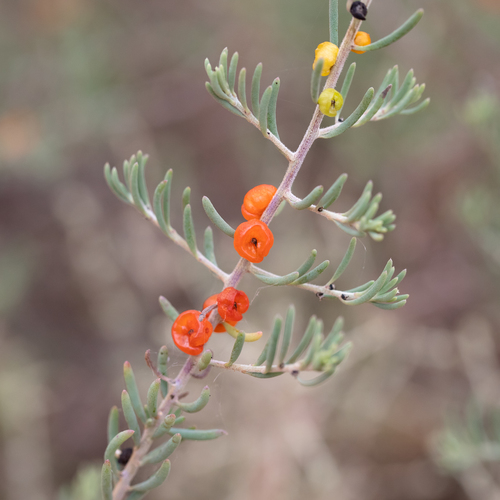
Fetid goosefoot is a resilient, aromatic, and prolific seed producer inhabiting drylands across the Southwest. While its seeds are genuinely palatable and its leaves manageable when cooked, its content of ascaridole and related compounds severely limits its culinary potential. It remains ecologically valuable and historically significant but is best regarded today as a plant to understand, not a plant to depend on. Growing Conditions: Fetid goosefoot thrives in dry, open, disturbed, or rocky soils across the southwestern mountains and uplands. It is commonly found on sandy slopes, roadside verges, dry meadows, and open pinyon-juniper woodlands. The species tolerates high heat, poor soils, and minimal moisture. It often becomes abundant following disturbance such as fire or grazing. Full sun is preferred, though it can survive in partial shade. Habitat & Range: Native to Arizona, New Mexico, Colorado, Utah, and adjacent states, fetid goosefoot occupies elevations ranging from foothills to moderately high mountain terrains. It is widespread across the Great Basin borderlands, interior Southwest, and many semi-arid ecological zones. Its distribution closely follows dryland scrub and open woodland communities. Size & Landscape Performance: Plants generally reach 15–40 cm but may remain smaller in harsh soils. Fetid goosefoot is not cultivated for ornamental use due to its strong scent and sticky surfaces. In wild landscapes, it performs as a disturbance-adapted annual, filling gaps in vegetation and producing valuable ecological biomass and seed resources. It contributes colour late in the season when stems turn red. Cultivation (Horticulture): There is little horticultural interest in cultivating fetid goosefoot because of its strong odour and potential toxicity. However, it germinates readily in disturbed soils and requires almost no water. For experimental growers exploring wild quinoa relatives, it may offer some academic value, but it is not a recommended edible crop. Its ease of cultivation mirrors other Chenopodium and Dysphania species—direct seeding in poor soil is typically sufficient. Pests & Problems: This species experiences few natural pests, likely due to its resinous compounds, which deter insect feeding. Excessive drought may stunt plant size but rarely prevents seed set. Heavy shade suppresses germination and growth. Cultivar / Selection Notes: No cultivars exist. Natural populations vary somewhat in aroma strength, leaf stickiness, and seed colour, but these differences have never been selectively developed. Pollination: The species is wind-pollinated, like most members of the goosefoot group. Its abundant, fine pollen enables reliable seed set even in sparse vegetation, and its self-compatibility ensures reproduction under challenging conditions. Identification & Habit: Fetid goosefoot is typically a slender, upright plant 10–40 cm tall, though height varies with soil moisture and disturbance. Stems are green to reddish, often sticky, and covered with glandular hairs that exude a strong, distinctive aroma. Leaves are alternate, small, narrowly lanceolate to elliptic, and coated with resinous droplets. Their surfaces may appear glossy or slightly mealy under dry conditions. The plant has an overall “herbaceous ragweed-like” appearance but can be recognised by its pungent scent and sticky texture. Inflorescences appear as tight clusters of tiny greenish flowers forming small spikes along upper stems. As the plant matures, it often turns reddish, then brown, becoming brittle as seeds reach maturity in late summer or autumn.
Propagation
Propagation occurs solely by seed. Plants produce copious seeds that germinate readily on open, disturbed soil. No pretreatment is required. Natural regeneration is robust in habitats experiencing periodic disturbance.
Other Uses
Dye Miscellany. Gold/green dyes can be obtained from the whole plant. Ecology & Wildlife: Seed production is substantial, making fetid goosefoot an important food source for granivorous birds and rodents. Its resinous foliage provides habitat for small invertebrates and may deter some herbivores. As a disturbance-adapted annual, it plays a role in early successional plant communities and helps stabilise soils.
Synonyms
Also Known As
Chenopodium graveolens Willd. First published in Enum. Pl. Hort. Berol.: 290 (1809), nom. illeg. is a synonym of Dysphania incisa. Fetid goosefoot, Stinking goosefoot