Aeginetia indica
(L.) Gaertn.
Broomrape
iNaturalist· cc-by
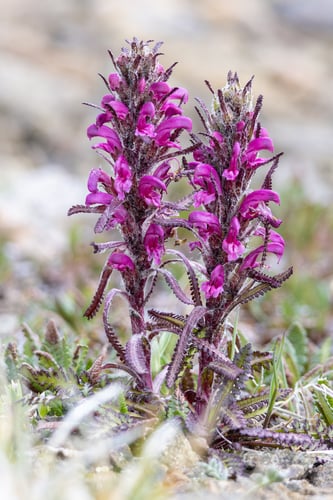
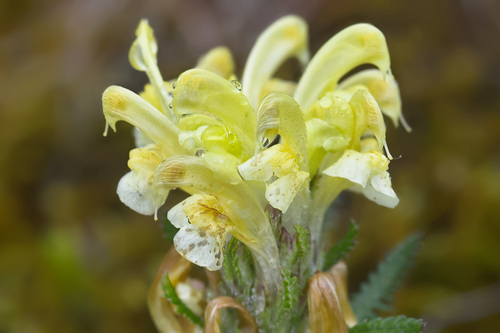
(c) chiuluan, some rights reserved (CC BY), uploaded by chiuluan
iNaturalist· cc-by
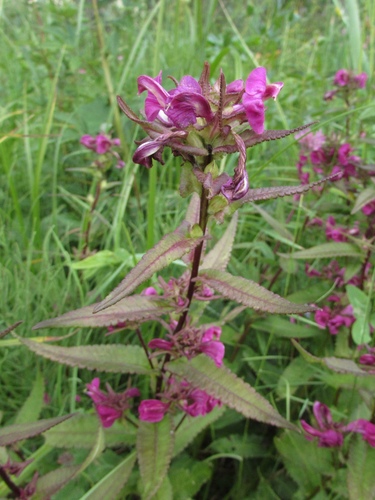
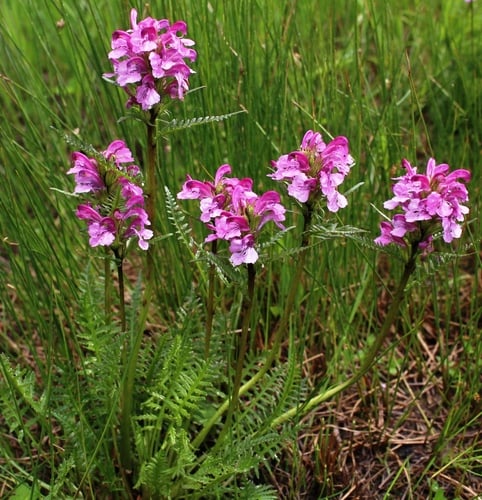
(c) Rejoice Gassah, some rights reserved (CC BY), uploaded by Rejoice Gassah
iNaturalist· cc-by
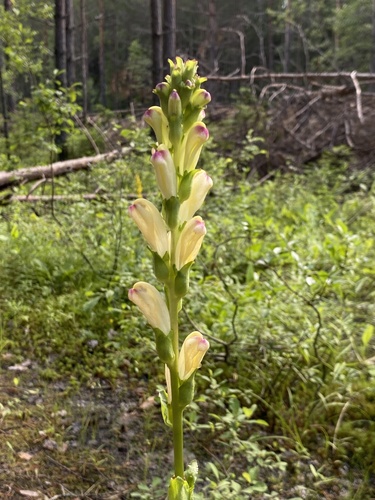
(c) Takaaki Hattori, some rights reserved (CC BY), uploaded by Takaaki Hattori
Summary
Source: WikipediaAeginetia indica, commonly known as Indian broomrape or forest ghost flower, is a holoparasitic herb or root parasite of the plant family Orobanchaceae. It grows in moist deciduous and semi-evergreen forests of tropical and subtropical Asia and New Guinea. It parasitises plants of the families Cannaceae, Commelinaceae, Cyperaceae, Juncaceae, Poaceae, and Zingiberaceae. In many regions, including the Nepal Eastern Himalayas, Aeginetia indica is used for medicinal and ritual purposes. For example, the entire plant is placed in shrines or on altars during the Teej festival as a symbol of Shiva and Parvati.
Description
A herb which grows attached to other plants such as grasses. The roots are juicy. They fix on the roots of bambus, grasses and ginger family plants. It is un-branched. The stem is 3-6 cm long. It is leafless. The flowers occur singly at the end of a stalk 15-35 cm long. They are pale violet or red striped. They are tubular and emerge from a large, nodding, sleeve like calyx. The fruit is a capsule with many white seeds inside.
Edible Uses
The flowers are used to color sticky rice dishes. The plant is eaten with sugar and nutmeg, and the flower juice serves as a natural coloring agent.
Traditional Uses
The juice from the flower is used to colour sticky rice dishes. The plant is eaten with sugar and nutmeg.
This uses section is brief — help expand it
Medicinal Uses
The juice from the roots is used for medicine in Nepal.
Known Hazards
The plant damages sugarcane in the Philippines.
Distribution
It is a tropical plant. It occurs on wet ground in hill forests. It grows in limestone country.
Where It Grows
Asia, Bangladesh, Bhutan, Cambodia, China, Himalayas, India, Indochina, Indonesia, Japan, Korea, Laos, Malaysia, Myanmar, Nepal, Pacific, Philippines, SE Asia, Sri Lanka, Thailand, Vietnam,
Cultivation
The plant can become a pest in sugar plantations.
Other Information
It is sold in markets.
Notes
There are about 10 Aeginetia species. The juice of the root is used for medicine in Nepal. It damages sugarcane in the Philippines.
Synonyms
Also Known As
Dok din daeng, Yah-khao-gum, Ye gu
References (8)
- Ambasta S.P. (Ed.), 2000, The Useful Plants of India. CSIR India. p 16
- Biocyclopedia Edible Plant Species. biocyclopedia.org
- Facciola, S., 1998, Cornucopia 2: a Source Book of Edible Plants. Kampong Publications, p 164
- Hedrick, U.P., 1919, (Ed.), Sturtevant's edible plants of the world. p 27
- Jacquat, C., 1990, Plants from the Markets of Thailand. D.K. Book House p 96
Show all 8 references Hide references
- Manandhar, N.P., 2002, Plants and People of Nepal. Timber Press. Portland, Oregon. p 74
- Sp. pl. 2:632. 1753
- Thitiprasert, W., et al, 2007, Country report on the State of Plant Genetic Resources for Food and Agriculture in Thailand (1997-2004). FAO p 106