Brassica oleracea gemmifera
Zenker.
Brussels Sprouts
iNaturalist· cc-by-nc
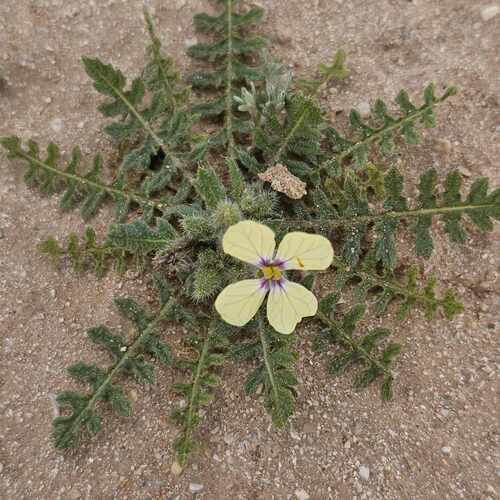
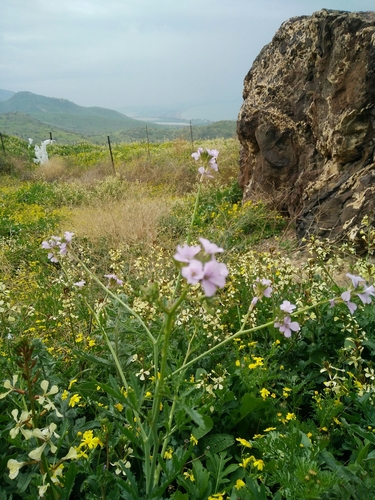
(c) Сергей, some rights reserved (CC BY-NC), uploaded by Сергей
iNaturalist· cc-by-sa
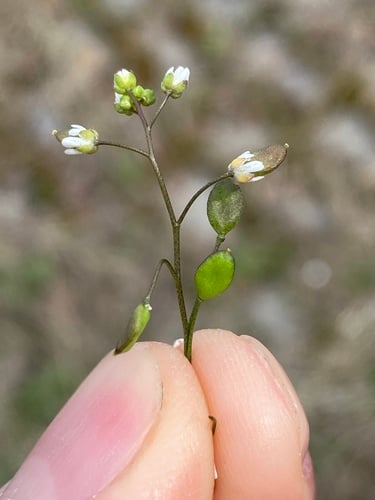
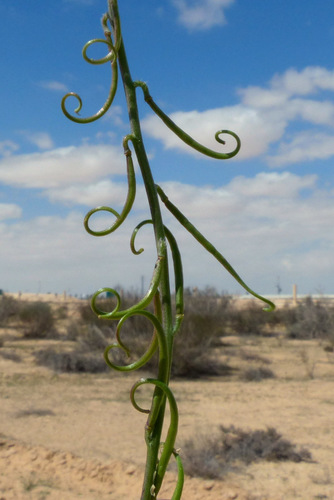
(c) Jamain, some rights reserved (CC BY-SA)
iNaturalist· cc-by-nc
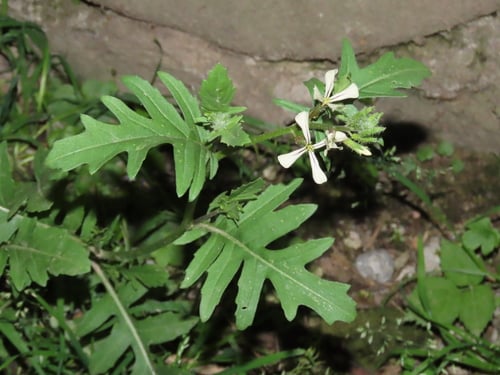
(c) stellabarthe, some rights reserved (CC BY-NC)
Description
Brassica oleracea gemmifera is a BIENNIAL growing to 1.2 m (4ft). It is not frost tender. It is in flower from May to August, and the seeds ripen from July to September. The species is hermaphrodite (has both male and female organs) and is pollinated by Bees. The plant is self-fertile. Suitable for: light (sandy), medium (loamy) and heavy (clay) soils, prefers well-drained soil and can grow in heavy clay soil. Suitable pH: mildly acid, neutral and basic (mildly alkaline) soils. It can grow in semi-shade (light woodland) or no shade. It prefers moist soil. The plant can tolerate maritime exposure.
Edible Uses
Leaf buds - raw or cooked. Well-grown plants produce an abundance of leaf-buds (looking rather like miniature cabbage heads) along the main stem at the leaf axils. These can be shredded and eaten raw in salads, though many people find them indigestible when eaten this way. They have a very nice cabbage flavour when cooked and are a very popular winter vegetable. By careful selection of varieties, it is possible to harvest the buds from early September until late spring.
Distribution
A cultivated form of B. oleracea.
Where It Grows
(Brassica oleracea) EUROPE: United Kingdom (U.K.) (coasts), Germany, Schleswig-Holstein, Spain (n. coast), France (w. & n. coasts).
Cultivation
Succeeds in full sun in a well-drained fertile preferably alkaline soil. Prefers a medium to heavy calcareous soil. Succeeds in any reasonable soil. Succeeds in maritime gardens. Tolerates a pH in the range 4.5 to 7.8, though it prefers a pH of 6.5 or higher. Plants, especially the late harvesting cultivars, are hardy to about -10°c. Brussels sprouts are widely grown in temperate zones for their edible axillary buds which look rather like miniature cabbages. They are available from late autumn to late winter, there are many named varieties. It is possible to bring the harvest period forward and produce more evenly spaced sprouts by removing the plants main growing point. Called 'stopping', it should be carried out when the lower sprouts reach a diameter of about 10mm. Late cultivars are unsuitable for this treatment. Grows badly with strawberries, each plant serving to retard the growth of the other. Grows well with many aromatic herbs, these herbs help to repel insect pests. Some other plants that grow well with Brussels sprouts include potatoes and celery.
Propagation
Seed - sow in a seedbed outdoors in early spring. Plant out in early summer. In order to produce a larger or earlier crop, the seed can also be sown under glass in February and planted out in May. Do not let the seedlings get overcrowded or they will soon become leggy and will not make such good plants. If your seedlings do get leggy, it is possible to plant them rather deeper into the soil - the buried stems will soon form roots and the plant will be better supported.