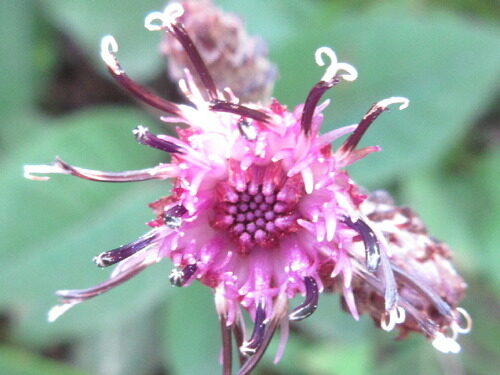
Antennaria parvifolia
Nutt.
Littleleaf Pussytoes
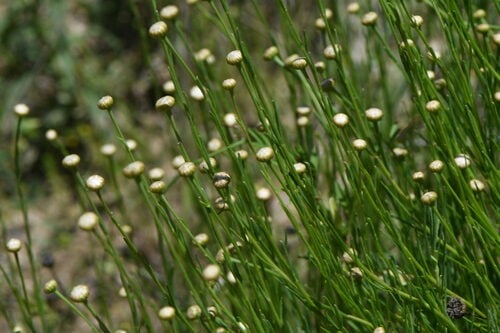
iNaturalist· cc-by-nc
(c) srasiak, some rights reserved (CC BY-NC)
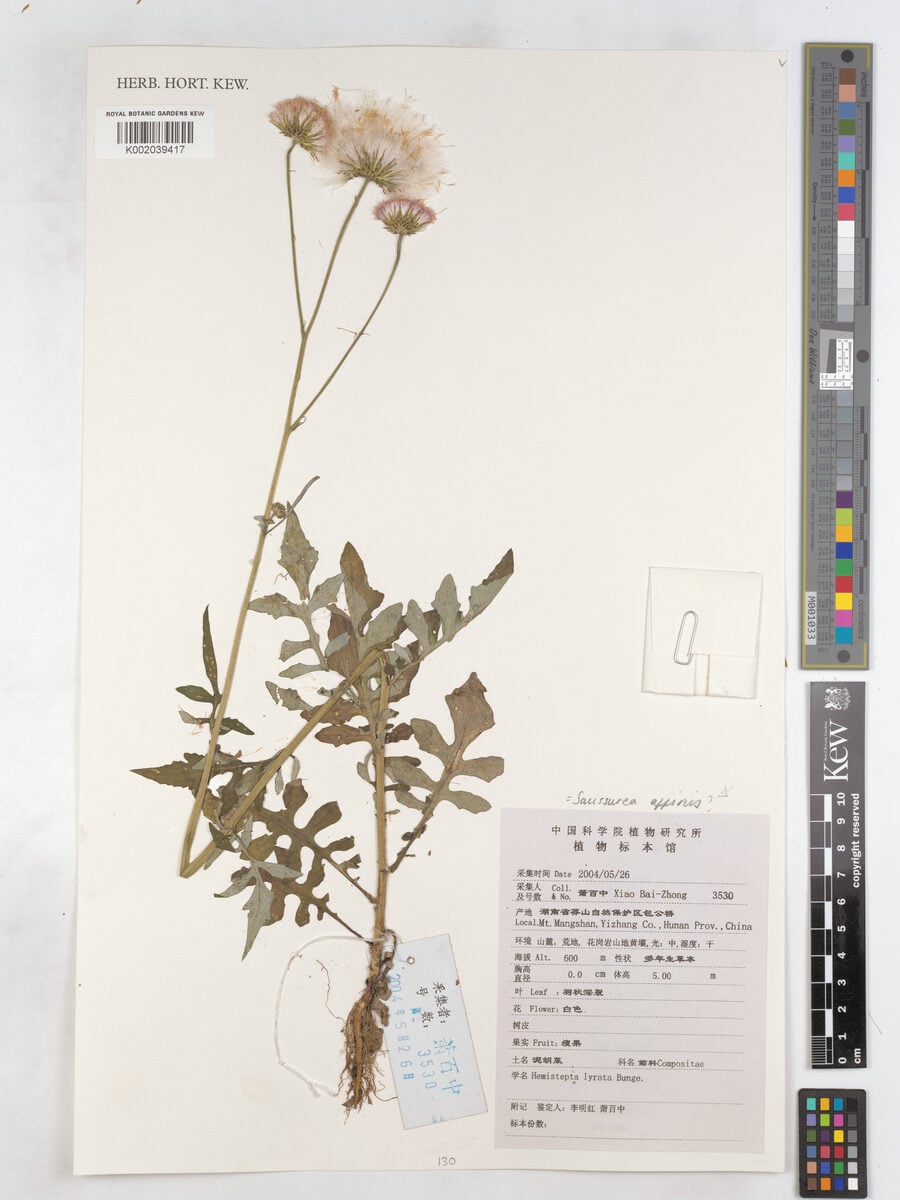
iNaturalist· cc-by-nc
(c) mitchhurt, some rights reserved (CC BY-NC)
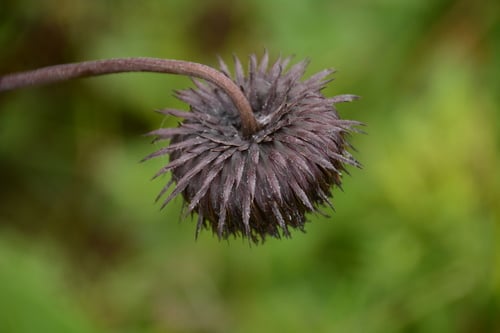
iNaturalist· cc-by-nc
(c) Ali, some rights reserved (CC BY-NC), uploaded by Ali
Description
Antennaria parvifolia is a PERENNIAL growing to 0.2 m (0ft 8in) by 0.2 m (0ft 8in) at a fast rate. See above for USDA hardiness. It is hardy to UK zone 4 and is not frost tender. The flowers are pollinated by Bees, Insects. It is noted for attracting wildlife. Suitable for: light (sandy) and medium (loamy) soils and prefers well-drained soil. Suitable pH: mildly acid, neutral and basic (mildly alkaline) soils. It can grow in semi-shade (light woodland) or no shade. It prefers dry or moist soil.
Edible Uses
The leaves are technically edible, though their thick covering of hairs makes them unpleasant to chew. Flavor is mild and inoffensive, but texture is the limiting factor. Rosy pussytoes (A. rosea), a close relative, is recorded as having leaves that can be chewed like gum, suggesting that some species were casually used by Native Americans. However, the genus as a whole offers little real food value. Edibility Rating:1/5 – Leaves are edible but unpleasant due to dense hairs, making this a survival food at best.
Distribution
Canada to N. Mexico.
Where It Grows
Alberta, Arizona, British Columbia, Colorado, Idaho, Iowa, Manitoba, Mexico Northeast, Mexico Northwest, Michigan, Minnesota, Montana, Nebraska, Nevada, New Mexico, North Dakota, Ontario, Oregon, Saskatchewan, South Dakota, Texas, Utah, Washington, Wyoming
Cultivation
Littleleaf pussytoes (Antennaria parvifolia) is a small, perennial, woolly member of the sunflower family (Asteraceae), native to mountain meadows and open grasslands across western North America. It forms low mats through stolons or rhizomes, typically only 3–27 cm tall. The spoon- to lance-shaped leaves are densely hairy, giving the plant its characteristic soft, greyish appearance. Male and female flowers are borne on separate plants, with heads composed only of disc florets; they bloom from late spring to early autumn. Littleleaf pussytoes thrives in mountain meadows, prairies, and open slopes, typically in well-drained soils at mid to high elevations. It tolerates full sun to partial shade and prefers dry to moderately moist conditions. Its spreading growth makes it a useful groundcover in naturalistic plantings. Growth & Ecology: The species spreads slowly but steadily by stolons, creating persistent patches. It competes well in dry, rocky, or disturbed soils, though it rarely becomes invasive. Its hairy leaves reduce water loss and protect against herbivory, adaptations that help it thrive in alpine and subalpine climates. Hardy in USDA zones 3–8, tolerating cold winters and short growing seasons.
Propagation
Seed. Division of stolons.
Other Uses
Groundcover. Aside from minor edibility, pussytoes have no significant record of traditional food or medicinal use. Their main value lies in their ecological and ornamental qualities. The dense mats they form help stabilize the soil and reduce erosion, while their flowers serve as nectar sources for pollinators. They are sometimes planted in rock gardens or as groundcovers in dry alpine landscapes.
Synonyms
Also Known As
Little leaf pussy toes (Antennaria parvifolia Nutt. = Antennaria aprica Greene).