Kalimeris pinnatifida
(Maxim.) Kitam.
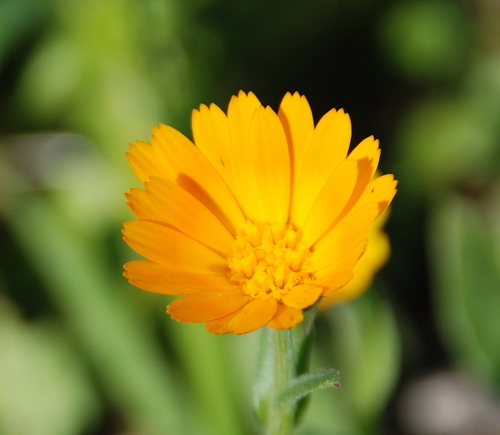
iNaturalist· cc-by
(c) WATANABE Hitoshi 渡辺仁, some rights reserved (CC BY)
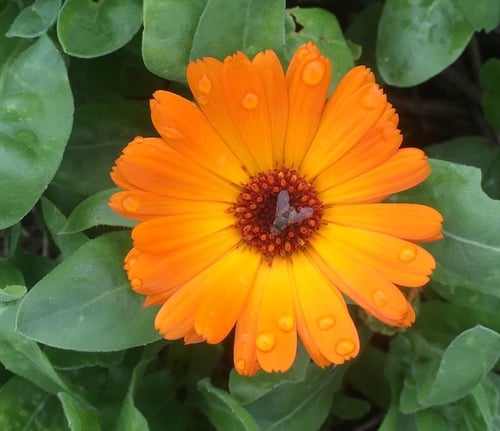
iNaturalist· cc-by
(c) WATANABE Hitoshi 渡辺仁, some rights reserved (CC BY)
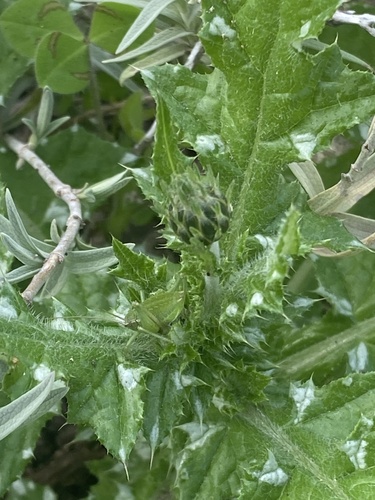
iNaturalist· cc-by
(c) WATANABE Hitoshi 渡辺仁, some rights reserved (CC BY)
Summary
Source: WikipediaA herbaceous perennial reaching 1.5 m tall at medium growth rate, hardy to UK zone 6. Flowers August to October. Hermaphroditic flowers pollinated by insects. Tolerates light sandy, medium loamy, and heavy clay soils with good drainage preference. Grows in mildly acid to basic soils. Adapts to semi-shade (light woodland) or full sun. Prefers moist soil conditions.
Description
A herbaceous perennial reaching 1.5 m tall at medium growth rate, hardy to UK zone 6. Flowers August to October. Hermaphroditic flowers pollinated by insects. Tolerates light sandy, medium loamy, and heavy clay soils with good drainage preference. Grows in mildly acid to basic soils. Adapts to semi-shade (light woodland) or full sun. Prefers moist soil conditions.
Edible Uses
Leaves and young plants are eaten cooked.
Medicinal Uses
No medicinal uses are known for this plant.
Distribution
It is a temperate plant.
Where It Grows
Asia, China,
Propagation
Sow seed in spring in a greenhouse, barely covering it, and keep the compost moist. Germination typically takes 2–3 weeks at 15°C. Grow on in cool conditions of around 10°C. Prick seedlings into individual pots when large enough and grow through their first winter in the greenhouse. Plant out into permanent positions in late spring or early summer, after the last expected frosts. Divide in spring, doing so at least every 3 years to maintain plant vigour.
Other Uses
No other uses are known for this plant.
Also Known As
Malantou
References (1)
- Kang, Y., et al, 2012, Wild food plants and wild edible fungi in two valleys on the Qinling Mountains (Shaanxi, central China) Journal of Ethnobiology and Ethnomedicine; 9:26