Eucalyptus socialis
F. Muell. ex Miq
Red Mallee, Grey Mallee, Summer Red Mallee
iNaturalist· cc-by-nc
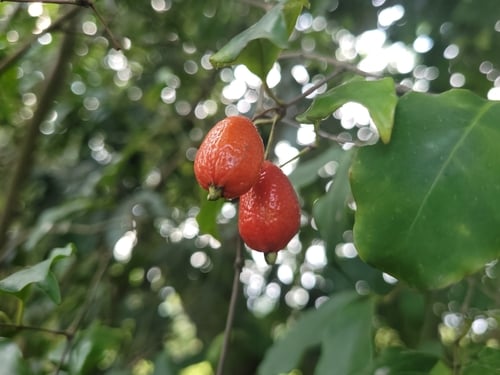
(c) cinclosoma, some rights reserved (CC BY-NC), uploaded by cinclosoma
iNaturalist· cc-by-nc
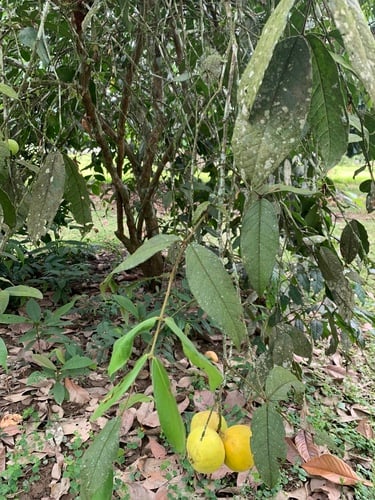
(c) Dean Nicolle, some rights reserved (CC BY-NC), uploaded by Dean Nicolle
iNaturalist· cc-by-nc
(c) Dean Nicolle, some rights reserved (CC BY-NC), uploaded by Dean Nicolle
Summary
Source: WikipediaEucalyptus socialis, commonly known as the red mallee, or grey mallee, is a species of mallee that is endemic to inland Australia.
Description
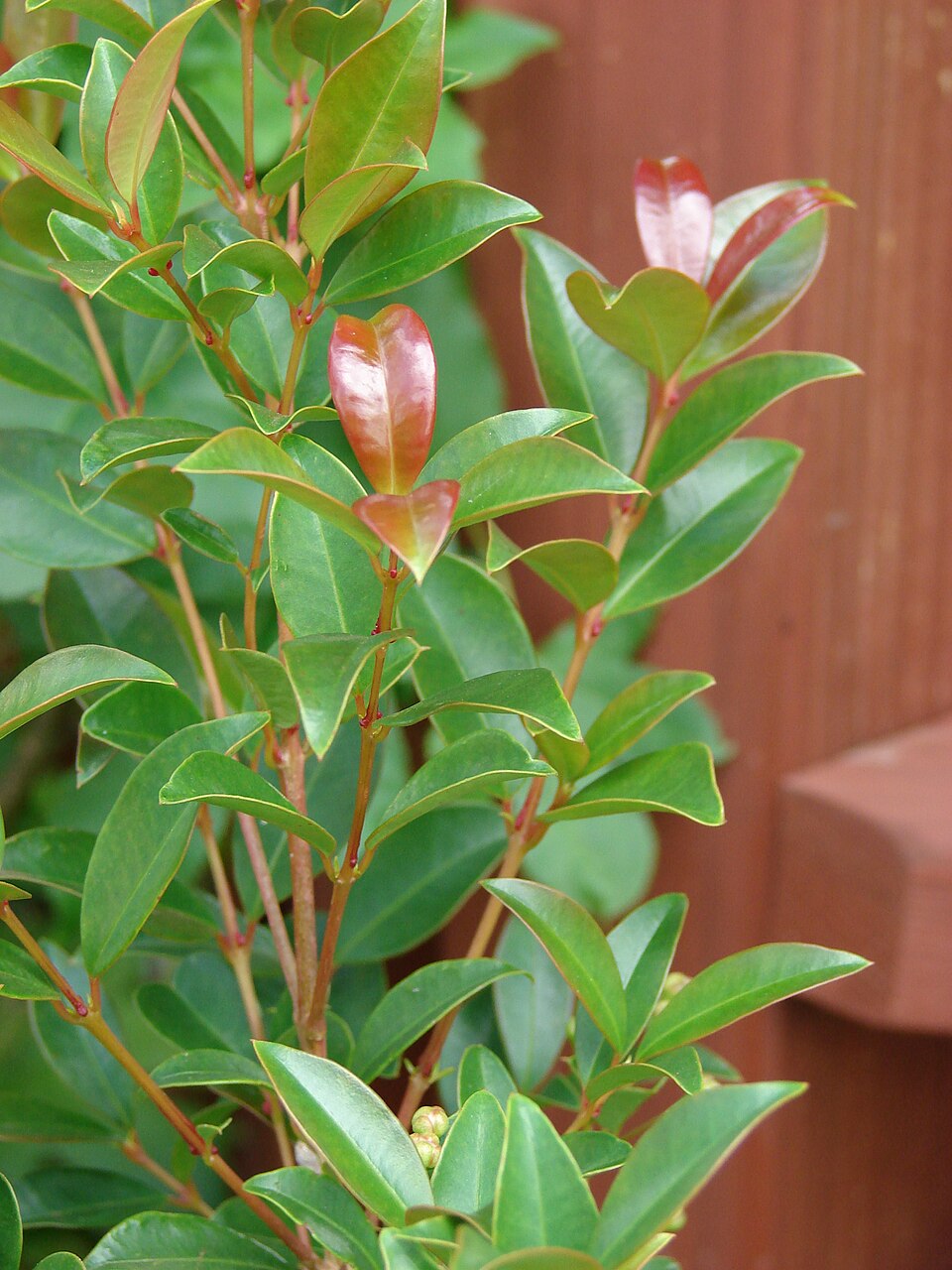
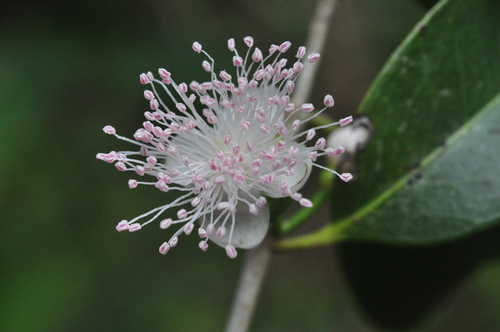
A slender tree. It often has several stems. It grows 2-10 m high. It spreads 2.5-10 m wide. The bark is smooth and grey-brown. It peels off in narrow ribbons. The leaves are sword shaped and grey-green. The flowers are cream and in large numbers. They are in clusters of 7-15. The fruit are round or oval and woody. They have 3-4 valves. The seeds are grey-brown and round.
Edible Uses
The seeds are edible.
Distribution
It grows in warm temperate regions. It grows in semiarid locations. It needs well drained soil. It can grow in full sun or light shade. It can stand heavy frosts. It is often on infertile sandy soils. It can grow in arid places.
Where It Grows
Australia*,
Notes
There are at least 500 Eucalyptus species mostly originally in Australia.
References (15)
- Bodkin, F., 1991, Encyclopedia Botanica. Cornstalk publishing, p 450
- Bonney, N., 1997, Economic Native Trees and Shrubs for South Australia. Greening Australia (SA) inc. Campbelltown SA 5074 p 126
- Boomsma, C.D., 1972, Native Tree of South Australia. Woods & Forests Department South Australia, Bulletin No.19. p 172
- Cherikoff V. & Isaacs, J., The Bush Food Handbook. How to gather, grow, process and cook Australian Wild Foods. Ti Tree Press, Australia p 189
- Cronin, L., 1989, The Concise Australian Flora. Reed. p 198
Show all 15 references Hide references
- Dashorst, G.R.M., and Jessop, J.P., 1998, Plants of the Adelaide Plains & Hills. Botanic Gardens of Adelaide and State Herbarium. p 108
- Doran, J.C., & Turnbull, J.W. (Eds), 1997, Australian Trees and Shrubs: species for land rehabilitation and farm plantings in the tropics. ACIAR Monograph No 24. p 354
- Elliot, W.R., & Jones, D.L., 1992, Encyclopedia of Australian Plants suitable for cultivation. Vol 4. Lothian. p 213
- Hibbert, M., 2002, The Aussie Plant Finder 2002, Florilegium. p 98
- Holliday, I., 1989, A Field Guide to Australian Trees. Hamlyn. p 186
- Latz, P.K., 1996, Bushfires and Bushtucker: Aboriginal plant use in Central Australia. IAD Press Alice Springs p 194
- Lazarides, M. & Hince, B., 1993, Handbook of Economic Plants of Australia, CSIRO. p 108
- Molyneux, B. and Forrester, S., 1997, The Austraflora A-Z of Australian Plants. Reed. p 93
- Paczkowska, G . & Chapman, A.R., 2000, The Western Australian Flora. A Descriptive Calatogue. Western Australian Herbarium. p 382
- Urban, A., 1990, Wildflowers of Inland Australia. Portside editions. p 146