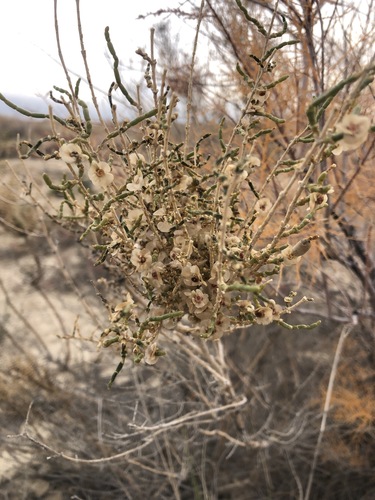
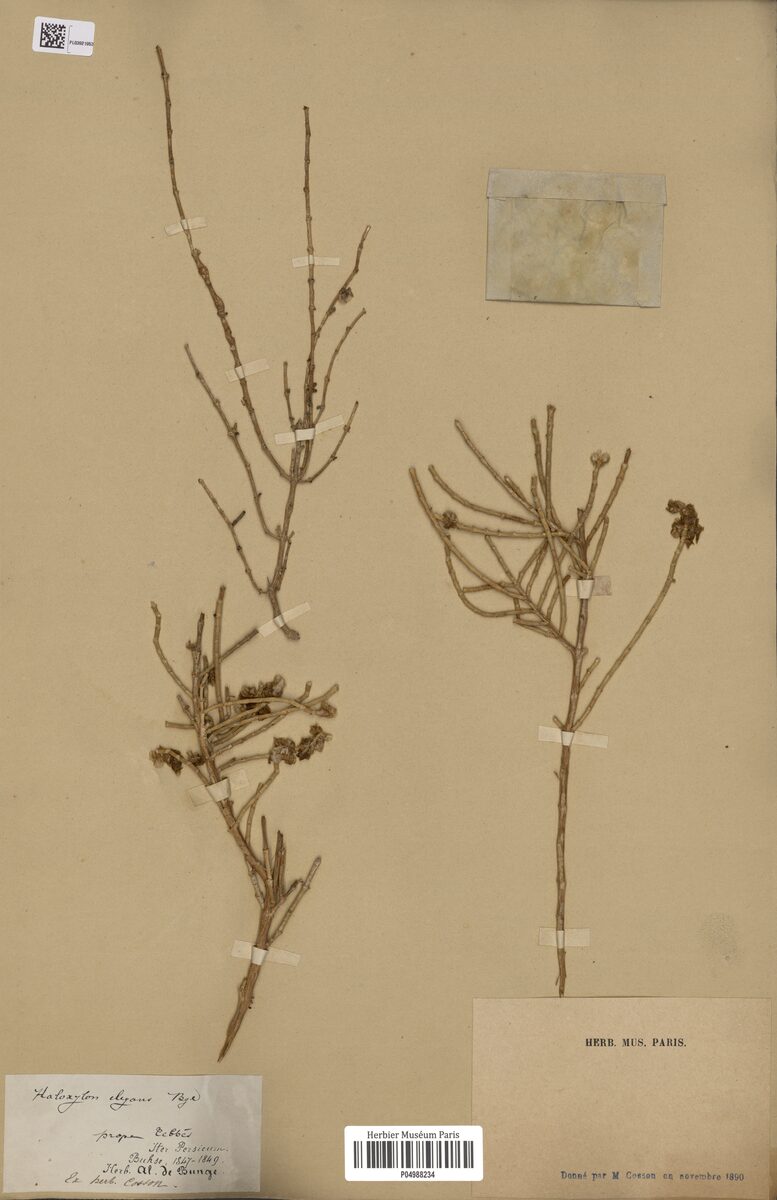
Setaria viridis pycnocoma - (Steud.)Tzvelev.
(Steud.)Tzvelev.
gbif· cc-by
GBIF
gbif· cc-by
GBIF
gbif· cc-by-sa
GBIF
Description
Setaria viridis pycnocoma is a ANNUAL growing to 0.8 m (2ft 7in). See above for USDA hardiness. It is hardy to UK zone 6. It is in flower from August to October, and the seeds ripen from September to October. The species is hermaphrodite (has both male and female organs) and is pollinated by Wind. Suitable for: light (sandy), medium (loamy) and heavy (clay) soils and prefers well-drained soil. Suitable pH: mildly acid, neutral and basic (mildly alkaline) soils. It cannot grow in the shade. It prefers moist soil and can tolerate drought.
Edible Uses
Seed - cooked. It can be eaten as a sweet or savoury food in all the ways that rice is used, or ground into a flour and made into porridge, cakes, puddings etc.
Distribution
E. Asia - Japan.
Where It Grows
Coming Soon
Cultivation
Succeeds in any well-drained soil in full sun. This robust form of S. viridis may be of hybrid origin, resulting from crossing with S. italica. Unlike S. italica the spikelets are shed whole.
Propagation
Seed - sow early spring in a greenhouse and only just cover the seed. Germination is usually quick and good. Prick out the seedlings into individual pots as soon as they are large enough to handle and grow them on fast. Plant them out in late spring, after the last expected frosts. Whilst this is fine for small quantities, it would be an extremely labour intensive method if larger amounts were to be grown. The seed can be sown in situ in the middle of spring though it is then later in coming into flower and may not ripen its seed in a cool summer.