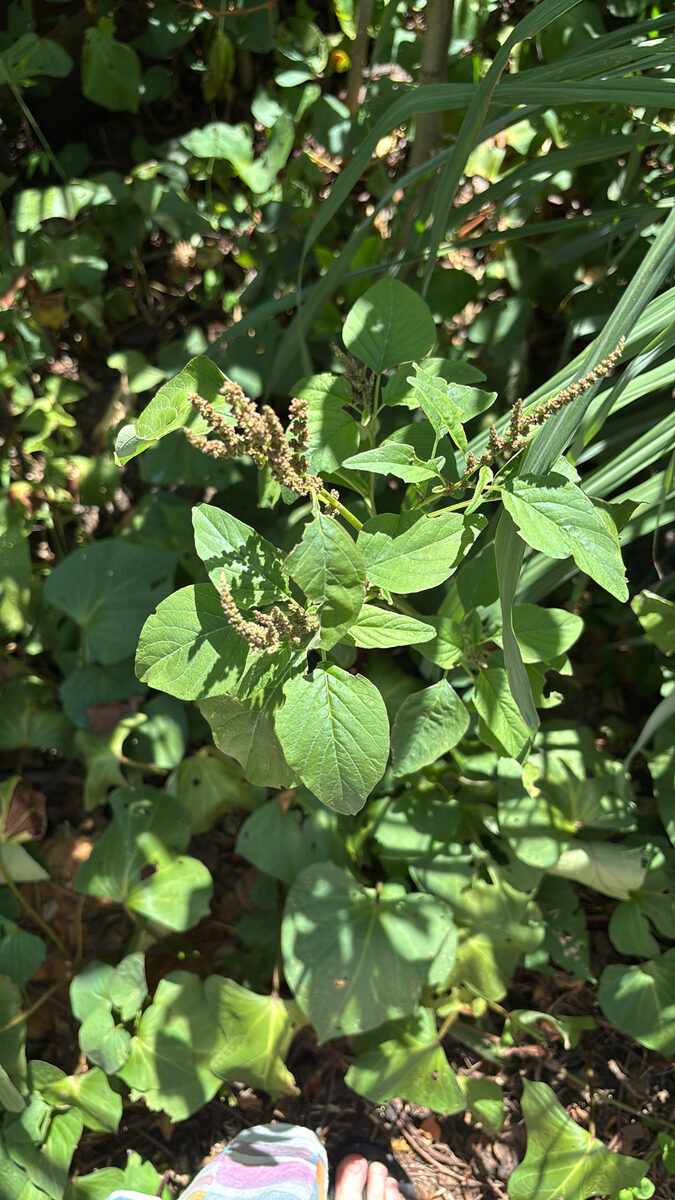
Atriplex glabriuscula
Edmondston
Orach, Northern saltbush, Scotland orache
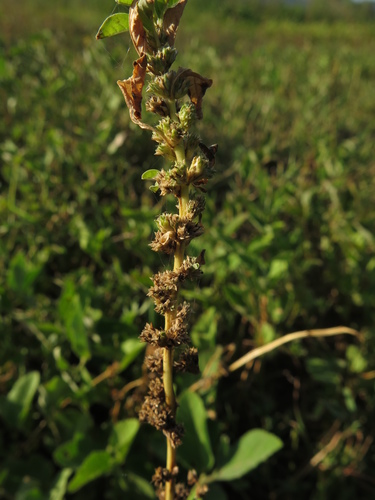
iNaturalist· cc-by-nc
(c) Stephen Moores, some rights reserved (CC BY-NC)
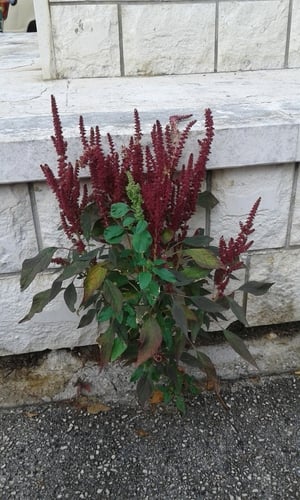
iNaturalist· cc-by-nc
(c) Stephen Moores, some rights reserved (CC BY-NC)
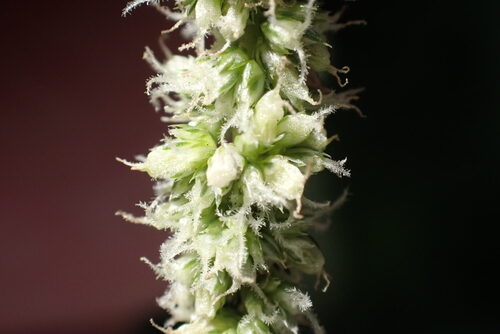
iNaturalist· cc-by-nc
(c) Stephen Moores, some rights reserved (CC BY-NC)
Summary
Source: WikipediaAtriplex glabriuscula, usually known in English as Babington's orache, is a prostrate to ascending plant that occurs on shingle beaches in NW Europe, and (as an introduction) in NE North America. It is a characteristic annual of strandline vegetation at the top of sand and shingle beaches.
Description
A herb. It lies along the ground. It can grow 20-100 cm high. The branches are opposite. The stems are green and striped. The leaves are 1-10 cm long by 1-8 cm wide. The seeds can be black or brown. They are 3-4 mm wide.
Edible Uses
Edible Parts: Leaves Seed Edible Uses: Young leaves - cooked. Seed - used in piñole or ground into a meal and used as a thickener in making bread or mixed with flour in making bread.
Traditional Uses
The leaves can be eaten as a vegetable. The seeds can be ground into a flour and used as a thickener or mixed with wheat flour for bread.
This uses section is brief — help expand it
Medicinal Uses
None known
Known Hazards
No member of this genus contains any toxins, all have more or less edible leaves. However, if grown with artificial fertilizers, they may concentrate harmful amounts of nitrates in their leaves.
Distribution
It is a temperate plant. It grows in salty and brackish marshes. It can grow in coastal regions. It is best in sunny locations.
Where It Grows
Britain, Canada, Europe, Greenland, Iceland, North America, USA,
Cultivation
Succeeds in full sun in any well-drained but not too fertile soil. Most species in this genus tolerate saline and very alkaline soils. This species is either very closely related to, or no more than part of, A. hastata.
Propagation
Seed - sow April/May in situ. Germination is usually rapid.
Other Uses
None known Special Uses
Notes
There are about 100-300 Atriplex species. They have also been put in the family Chenopodiaceae.
Synonyms
Also Known As
Bracted orache
References (3)
- Bircher, A. G. & Bircher, W. H., 2000, Encyclopedia of Fruit Trees and Edible Flowering Plants in Egypt and the Subtropics. AUC Press. p 47
- Plants for a Future database, The Field, Penpol, Lostwithiel, Cornwall, PL22 0NG, UK. http://www.scs.leeds.ac.uk/pfaf/
- www.ediblewildfood.com