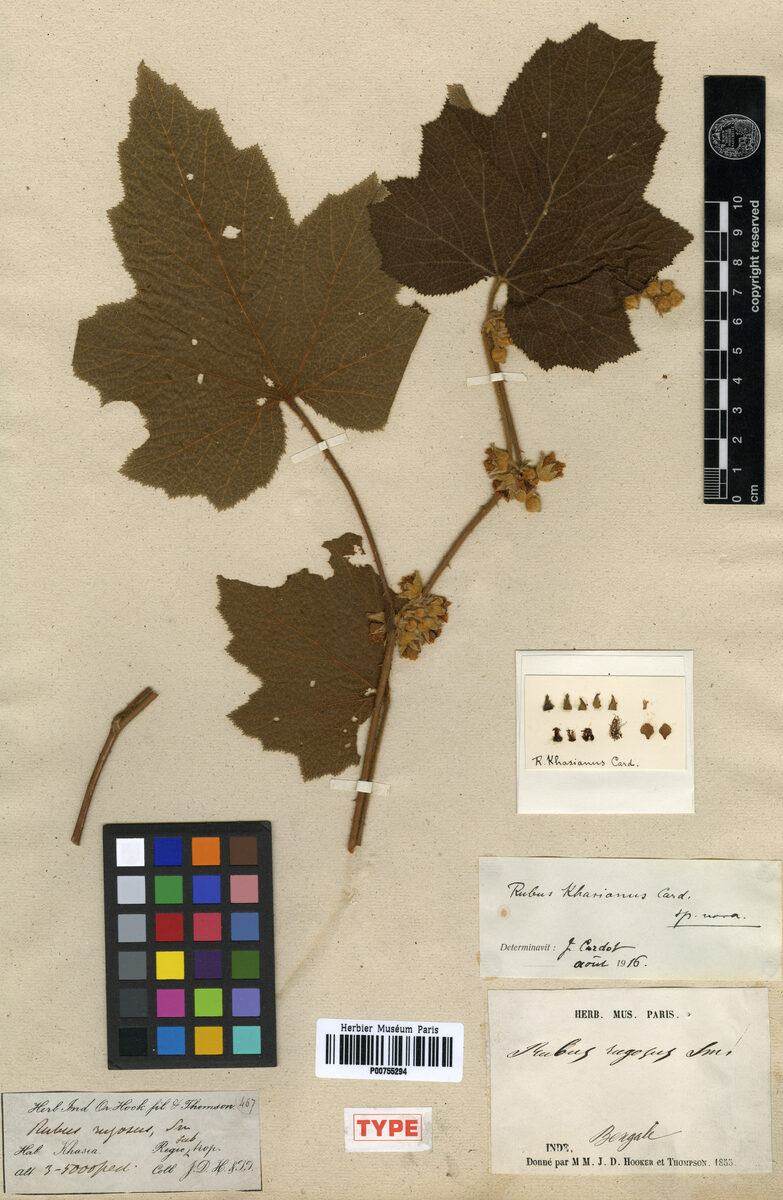
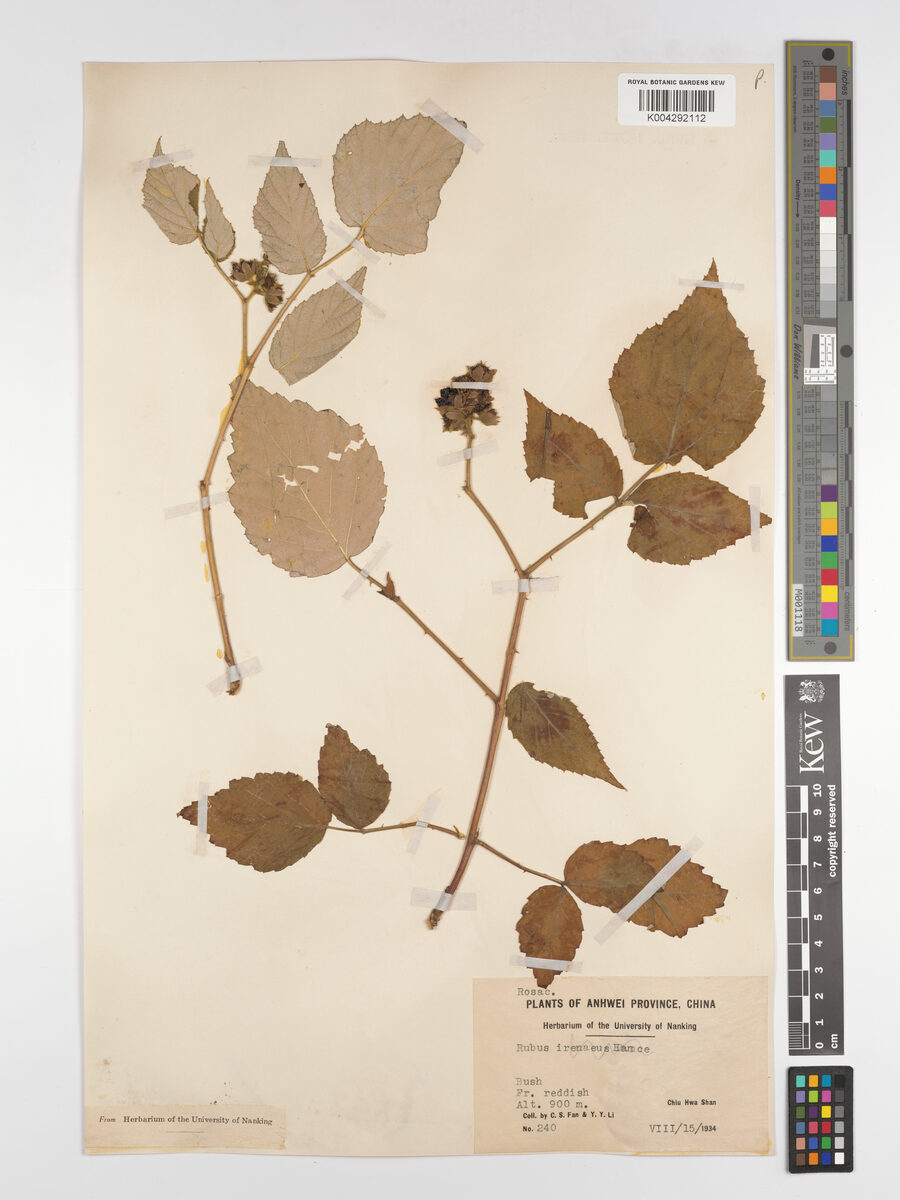
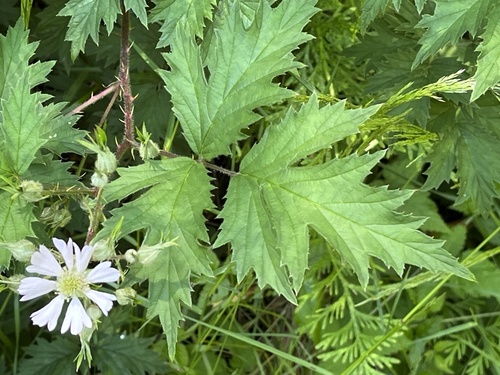
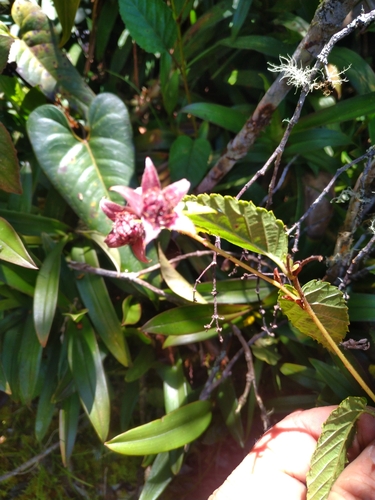
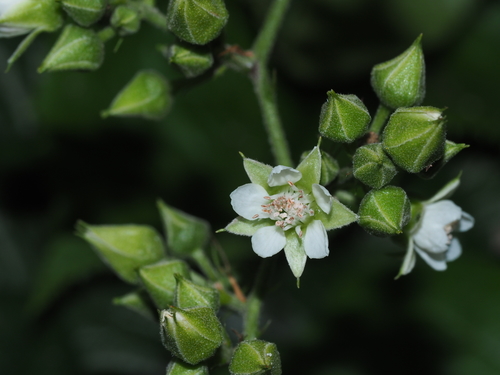
Rubus hypargyrus niveus - (Wall. ex D.Don.)Hara.
(Wall. ex D.Don.)Hara.
gbif· cc-by-nc
Samantha Heller
gbif· cc-by-nc
Madrone Ruggiero
gbif· cc-by-nc
Archer Lamason
Description
Rubus hypargyrus niveus is a deciduous Shrub. See above for USDA hardiness. It is hardy to UK zone 8. The species is hermaphrodite (has both male and female organs) and is pollinated by Insects. Suitable for: light (sandy), medium (loamy) and heavy (clay) soils and prefers well-drained soil. Suitable pH: mildly acid, neutral and basic (mildly alkaline) soils. It can grow in semi-shade (light woodland) or no shade. It prefers moist soil.
Edible Uses
Fruit - raw or cooked. Raspberry-like. The fruit is about 10mm in diameter.
Distribution
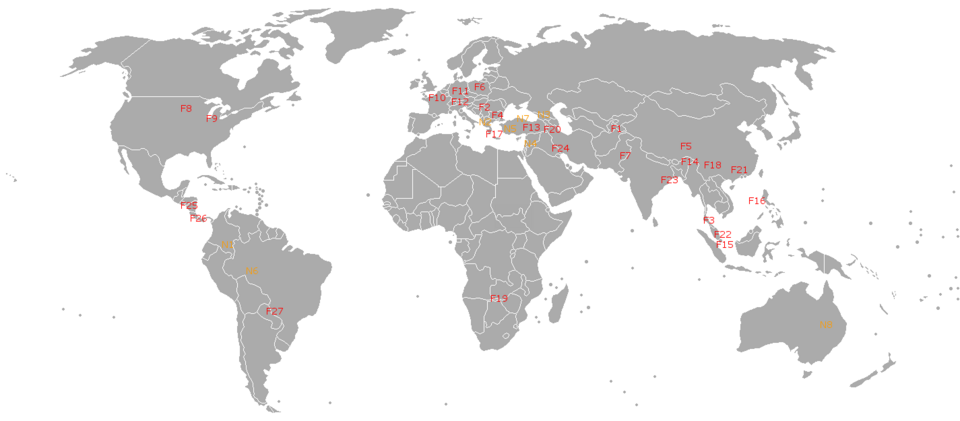
E. Asia - Himalayas from Kashmir to Nepal, Sikkim and China.
Where It Grows
Coming Soon
Cultivation
Easily grown in a good well-drained loamy soil in sun or semi-shade. This species is not hardy in the colder areas of the country, it tolerates temperatures down to between -5 and -10°c. This species is a raspberry with biennial stems, it produces a number of new stems each year from the perennial rootstock, these stems fruit in their second year and then die. Plants in this genus are notably susceptible to honey fungus.
Propagation
Seed - requires stratification and is best sown in early autumn in a cold frame. Stored seed requires one month stratification at about 3°c and is best sown as early as possible in the year. Prick out the seedlings when they are large enough to handle and grow on in a cold frame. Plant them out into their permanent positions in late spring of the following year. Cuttings of half-ripe wood, July/August in a frame. Tip layering in July. Plant out in autumn. Division in early spring or just before leaf-fall in the autumn.
Other Uses
DyeA purple to dull blue dye is obtained from the fruit.