Megacarpaea polyandra
Benth.
iNaturalist· cc-by-nc-sa
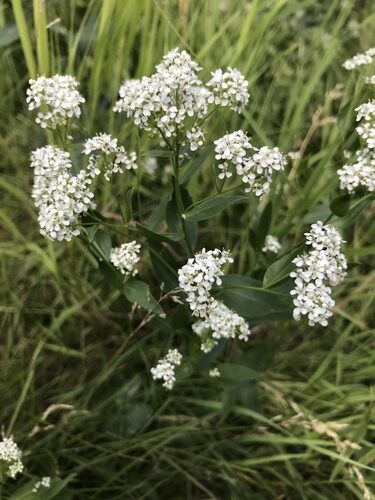
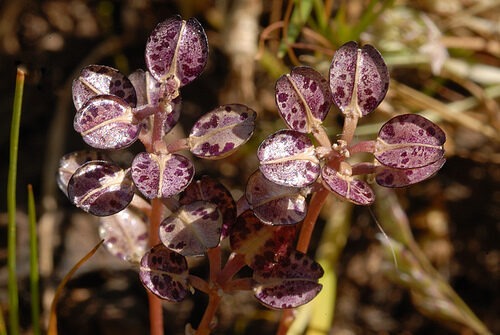
(c) Luis Francisco Henao Diaz, some rights reserved (CC BY-NC-SA), uploaded by Luis Francisco Henao Diaz
iNaturalist· cc-by-nc-sa
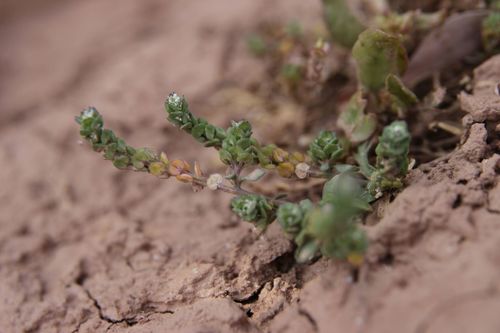
(c) Luis Francisco Henao Diaz, some rights reserved (CC BY-NC-SA), uploaded by Luis Francisco Henao Diaz
iNaturalist· cc-by-nc-sa
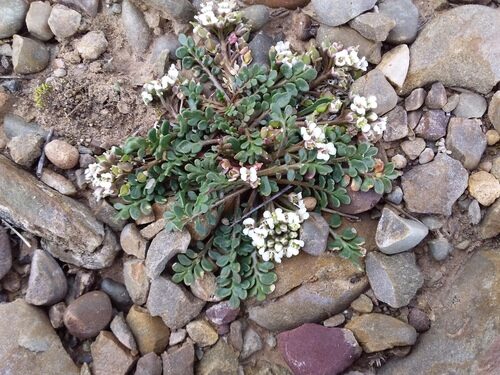
(c) Luis Francisco Henao Diaz, some rights reserved (CC BY-NC-SA), uploaded by Luis Francisco Henao Diaz
Description
Megacarpaea polyandra is a PERENNIAL growing to 1.8 m (6ft) by 1 m (3ft 3in). See above for USDA hardiness. It is hardy to UK zone 7. It is in flower from May to June, and the seeds ripen from July to October. The species is hermaphrodite (has both male and female organs). Suitable for: light (sandy) and medium (loamy) soils and prefers well-drained soil. Suitable pH: mildly acid, neutral and basic (mildly alkaline) soils. It cannot grow in the shade. It prefers moist soil.
Edible Uses
Condiment. The plant is eaten as a vegetable. The young shoots and leaves are eaten cooked. The root is used as a condiment.
Distribution
E. Asia - Himalayas from Kashmir to C. Nepal.
Where It Grows
Coming Soon
Cultivation
Requires a well-drained but deep rich soil that is dry in the summer and a position in full sun. Hardy to about -20°c. The flowers are normally hermaphrodite but are sometimes monoecious or reduced. Plants take many years to flower from seed and are possibly monocarpic.
Propagation
Seed - we have no information for this species but suggest sowing the seed as soon as it is ripe in a cold frame if this is possible. Otherwise sow it in early spring in a cold frame. Prick the seedlings out into individual pots when they are large enough to handle and grow them on in the greenhouse or cold frame for at least their first winter. Plant out into their permanent positions in late spring or early summer. Root cuttings may succeed.