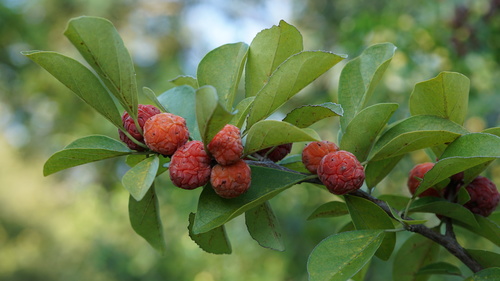
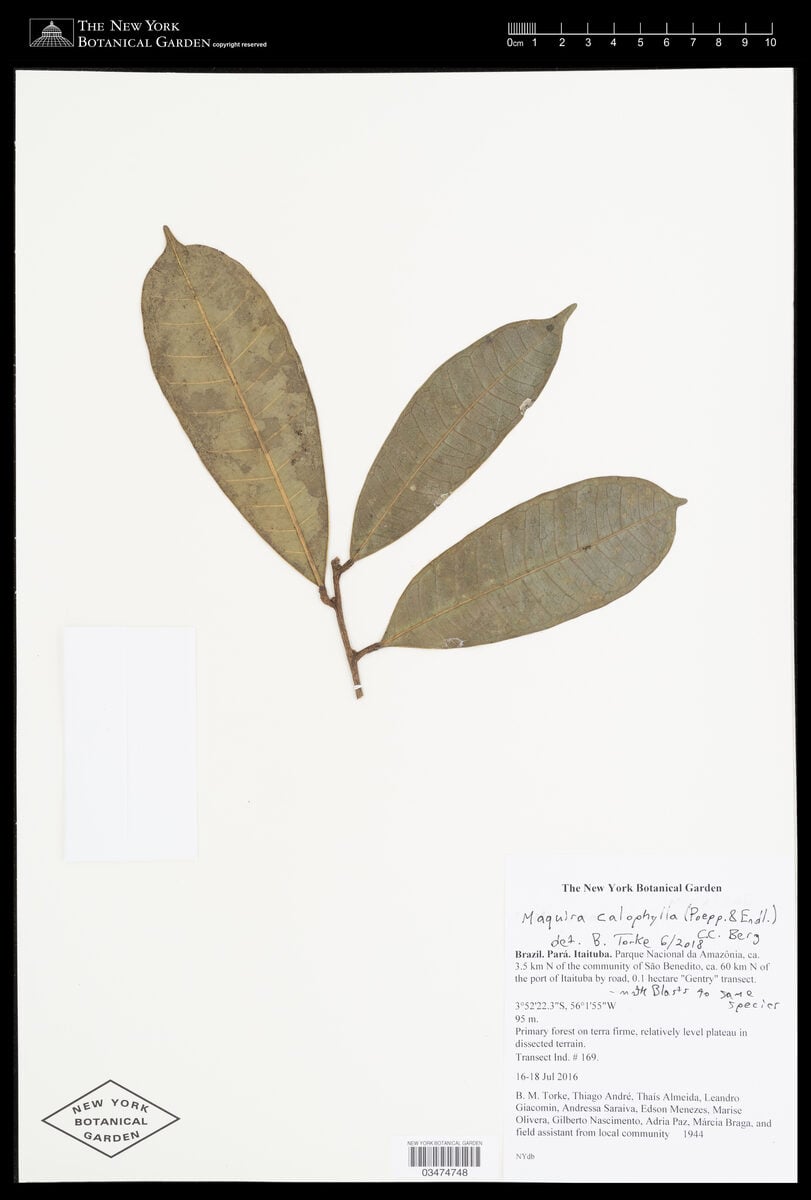
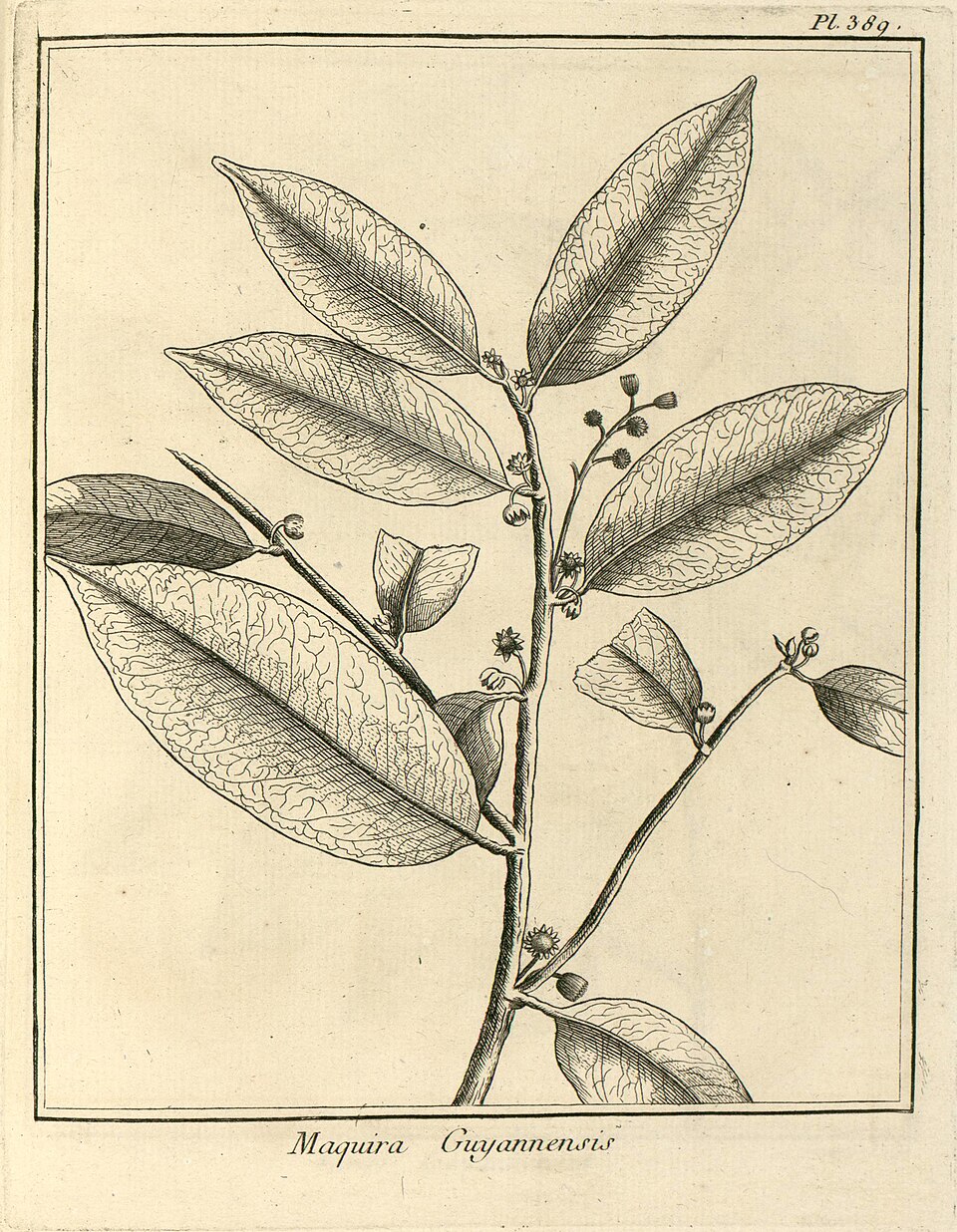
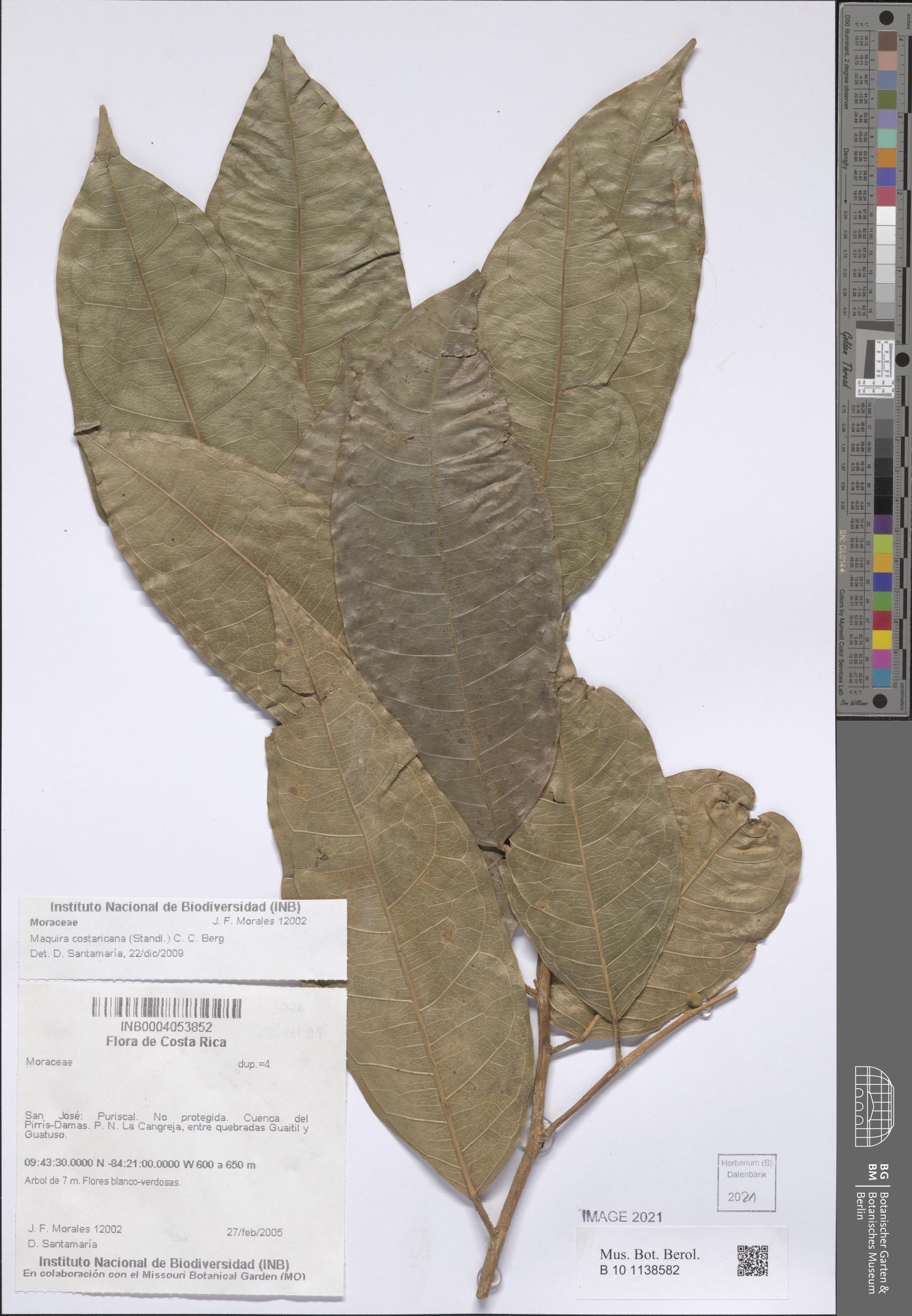
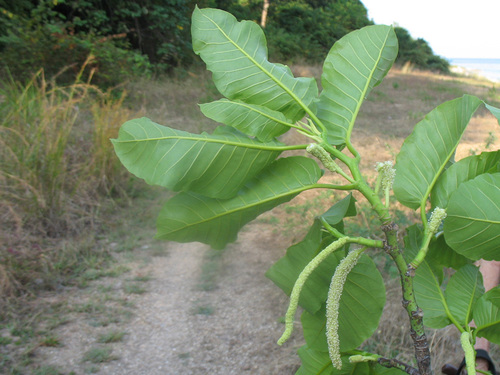
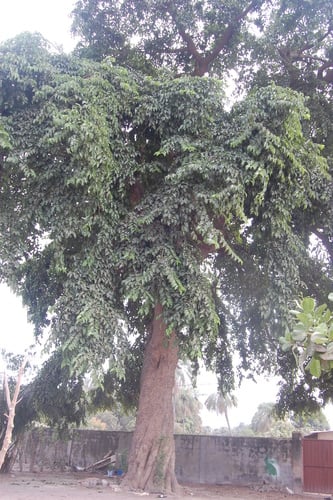
Maclura cochinchinensis - (Lour.) Corner
(Lour.) Corner
Cockspur Thorn, Thorny Cockspur
gbif· cc-by-nc
Rene
gbif· cc-by
Damien O'Donnell
gbif· cc-by-nc
Nightcap Ranger
Description
Maclura cochinchinensis is an evergreen Shrub growing to 10 m (32ft) by 8 m (26ft) at a slow rate. See above for USDA hardiness. It is hardy to UK zone 10. Suitable for: light (sandy), medium (loamy) and heavy (clay) soils. Suitable pH: mildly acid, neutral and basic (mildly alkaline) soils. It cannot grow in the shade.
Edible Uses
The young leaves are sometimes eaten raw. The fruit is edible.
Medicinal Uses
Antitussive Febrifuge. The wood is used to treat fevers. A decoction of the roots is used to alleviate coughing.
Distribution
E. Asia - Indian subcontinent through Myanmar, Malaysia, Indonesia, Indo-China, to Australia.
Where It Grows
TEMPERATE ASIA: China (Anhui Sheng, Fujian Sheng, Guangdong Sheng, Guangxi Zhuangzu Zizhiqu, Guizhou Sheng, Hainan Sheng, Hubei Sheng, Hunan Sheng, Jiangxi Sheng, Sichuan Sheng, Xizang Zizhiqu (southeast), Yunnan Sheng, Zhejiang Sheng), Japan (Honshu (west), Kyushu, Ryukyu Islands, Shikoku), Taiwan TROPICAL ASIA: Bhutan, India, Sri Lanka, Nepal, Papua New Guinea, Cambodia, Laos, Myanmar, Thailand, Vietnam, Indonesia, Malaysia, Philippines PACIFIC: New Caledonia AUSTRALASIA: Australia (New South Wales (east), Queensland (east))
Cultivation
A slow growing plant, the stems reaching 10 - 15cm diameter in about 10 - 15 years. Formerly extensively used in 'batik' processes. The easy availability of synthetic dyes has largely reduced the use of this plant, but it is still locally used in dyeing processes. However, the traditional 'soga-batik' produced with it is very expensive and used only in ceremonies, particularly by Javanese nobility. As the demand for 'soga-batik' is decreasing and as it is becoming more and more difficult to obtain the wood, the use of this vegetable dye so highly esteemed in Javanese culture can be expected to disappear completely in the near future.
Propagation
Seed -
Other Uses
Dye. Other Uses The heartwood, particularly of the larger roots, but also of the stem, is used to dye textiles yellow. A yellow dye is obtained when alum is used as a mordant, a green is obtained when it is mixed with indigo {Indigifera spp), red when combined with sappan wood (Caesalpinia sappan), and orange-green with turmeric(Curcuma longa). It is also used in mixtures of dyes with other plants. It is an ingredient of the traditional 'soga-batik', together with the bark of Ceriops tagal and Peltophorum pterocarpum. Sometimes the dye is used for colouring other materials like mattings. In the traditional 'soga-batik' process the wood is chopped into small pieces (3 - 5 cm), and mixed with the chopped bark of Ceriops tagal and Peltophorum pterocarpum, usually in the ratio of 1:2:4, but other proportions are also used, depending on the desired colour. The mixture is put into a pan, covered with water, and boiled until it has thickened to the right consistency; this usually takes about 8 hours. After cooling, filtering, and about 2 hours of precipitation, the liquid is transferred to another pan and used for dyeing cotton textiles. For this purpose the textile, partly covered by wax where colouring is not wanted, is soaked in the warm to cool (but not hot) infusion until absorption is even. Then, the textile is dried in a shady place. This process of soaking and drying is repeated at least 20 times for good quality 'soga-batik'.
Synonyms
Also Known As
Cockspur Thorn, Thorny Cockspur, Amali, Damaru, Manda, Mangei, Kamgu, Gou ji, Kederang, Kangu, Tegerang, Kuderang, Ke le, Pulikait, Tekum esing, Bapou chuni