Lycoris sanguinea
Maxim.
Spider Lily
iNaturalist· cc-by-nc
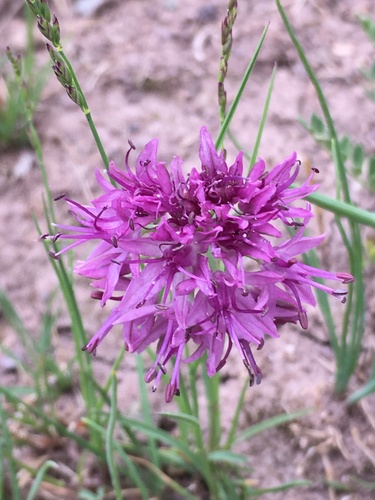
(c) 空猫 T. N, some rights reserved (CC BY-NC), uploaded by 空猫 T. N
iNaturalist· cc-by-nc
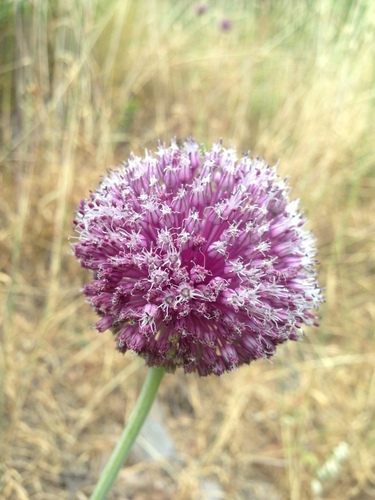
(c) 空猫 T. N, some rights reserved (CC BY-NC), uploaded by 空猫 T. N
iNaturalist· cc-by-nc-sa
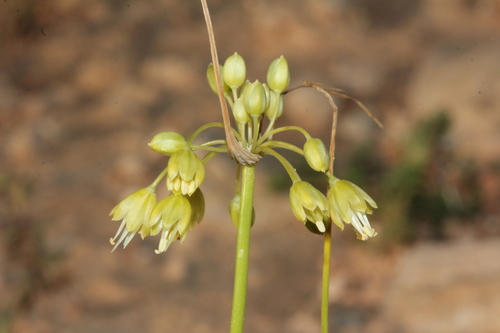
(c) James Ojascastro, some rights reserved (CC BY-NC-SA), uploaded by James Ojascastro
Description
Lycoris sanguinea is a BULB growing to 0.5 m (1ft 8in). See above for USDA hardiness. It is hardy to UK zone 6. It is in flower from July to August. The species is hermaphrodite (has both male and female organs). Suitable for: light (sandy) and medium (loamy) soils and prefers well-drained soil. Suitable pH: mildly acid, neutral and basic (mildly alkaline) soils. It cannot grow in the shade. It prefers moist soil.
Edible Uses
Bulb - cooked. It is used as a source of starch. The bulb is 2.5cm in diameter. Caution is advised, see the notes above on toxicity.
Known Hazards
The bulb contains toxins and must be leached before it is used for food.
Distribution
E. Asia - China, Japan.
Where It Grows
TEMPERATE ASIA: Japan (Honshu, Kyushu, Shikoku), Korea, South
Cultivation
Requires a deep well-drained sandy soil rich in organic matter in full sun. This species is hardy to at least -15°c. Other reports say that the bulb tolerates soil temperatures down to about -5°c. This is a difficult plant to grow outdoors in temperate areas, the plant comes into growth in late summer, flowers in the autumn and the leaves then persist until the following summer when the plant will have a short period of dormancy. These leaves can be killed by hard frosts and, should this happen often, the bulb will be weakened and killed. Plants therefore require a sheltered position to avoid damage to the growing leaves in the winter. Plants need a warm period in late summer in order to ripen the bulbs and induce flowering in the following year. Plants are attractive to slugs and need to be protected from them. Very sensitive to root disturbance, the bulbs can take some years to become well established.
Propagation
The seed is best sown as soon as it is ripe in a greenhouse and should germinate in the spring. Sow the seed thinly so that it does not need to be disturbed for its first year of growth. Give an occasional liquid feed during the growing season to ensure the plants do not become nutrient deficient. Pot up the small bulbs when the plants become dormant, placing 2 bulbs in each pot. Grow them on for another 2 years in the greenhouse before planting them out when they are dormant. Division of offsets in the dormant season.