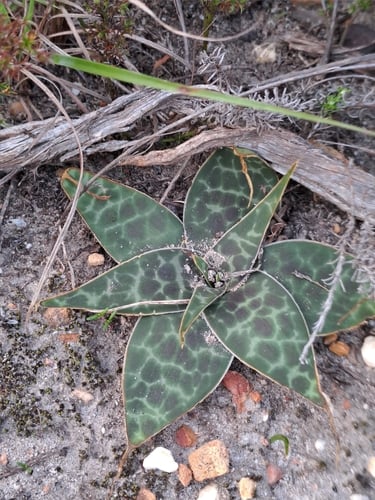
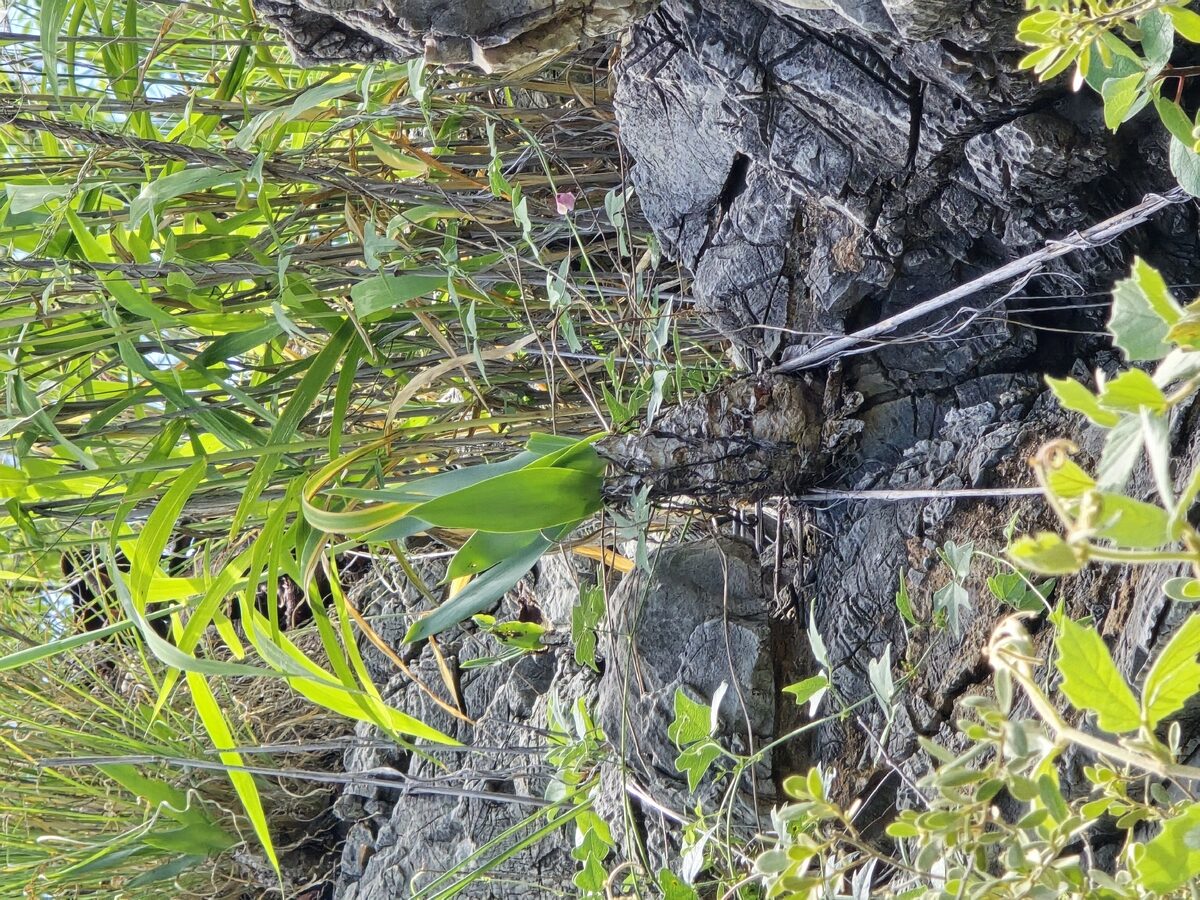
Liriope graminifolia - (L.)Baker.
(L.)Baker.
Lilyturf
gbif· cc-by-nc
ssnp210
gbif· cc-by-nc
Hugo Sun
gbif· cc-by-nc
zcguoxia
Description
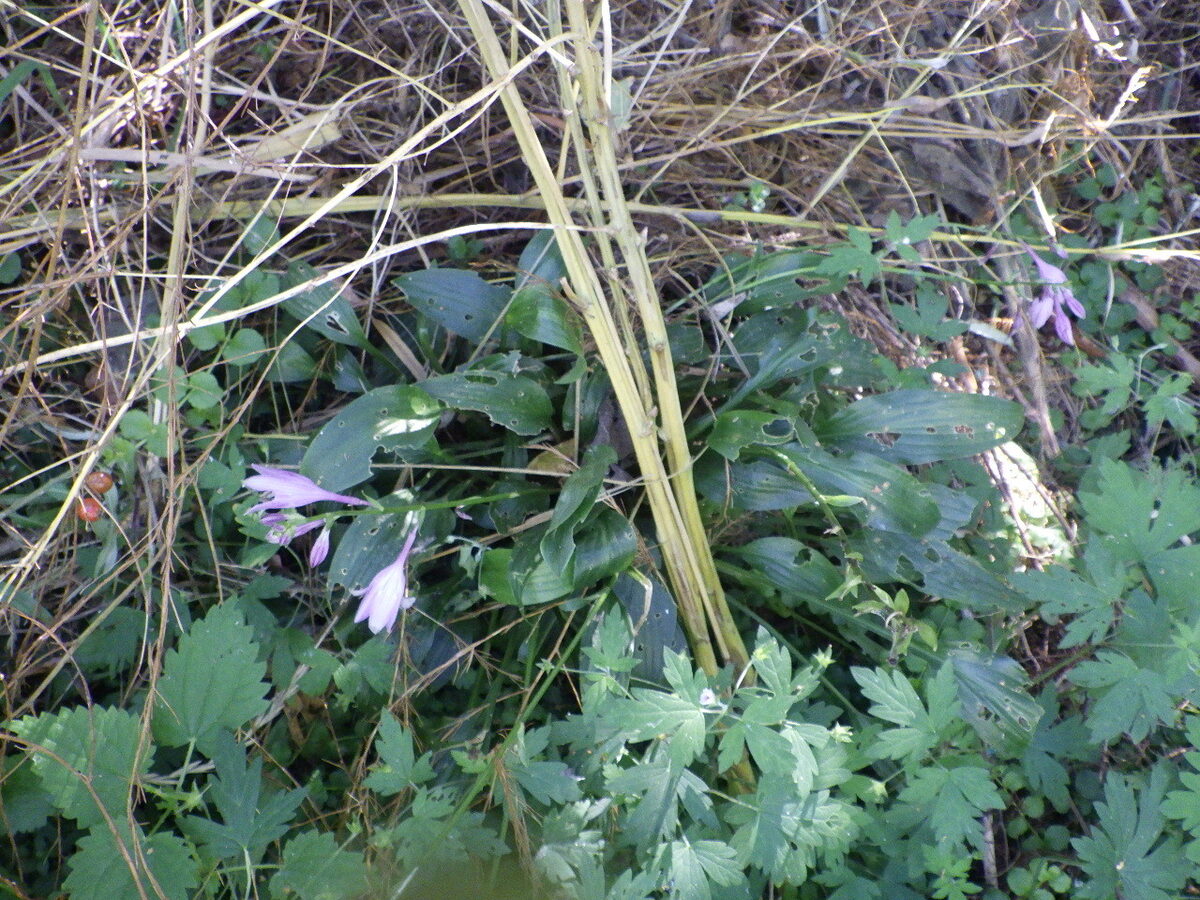
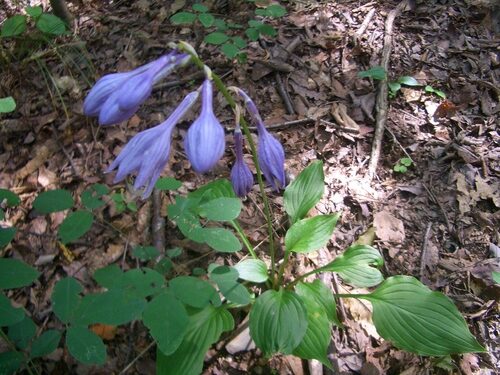
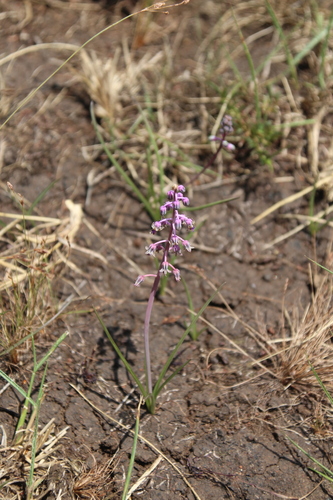
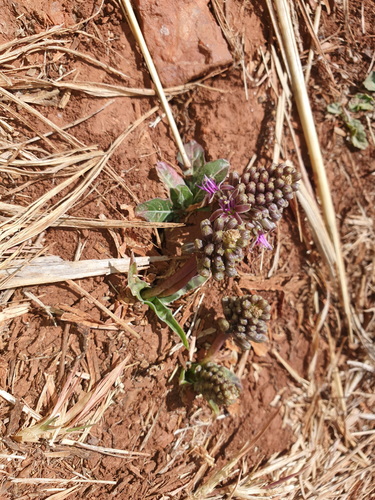
Liriope graminifolia is an evergreen Perennial growing to 0.3 m (1ft). See above for USDA hardiness. It is hardy to UK zone 8. It is in leaf all year, in flower from June to August, and the seeds ripen from September to November. The species is hermaphrodite (has both male and female organs). Suitable for: light (sandy) and medium (loamy) soils and prefers well-drained soil. Suitable pH: mildly acid, neutral and basic (mildly alkaline) soils. It can grow in semi-shade (light woodland) or no shade. It prefers dry or moist soil and can tolerate drought.
Edible Uses
Root - cooked. Candied and used medicinally. The root has a fleshy, tuberous part near its tip. Rich in mucilage, the root also contains about 1.6% protein, 0.5% fat, 80% carbohydrate and 2.3% ash.
Medicinal Uses
Aphrodisiac Pectoral Stimulant. The root is aphrodisiac, pectoral and stimulant.
Distribution
E. Asia - China, Japan.
Where It Grows
TEMPERATE ASIA: China (Anhui Sheng, Fujian Sheng, Gansu Sheng, Guangdong Sheng, Guizhou Sheng, Hebei Sheng, Henan Sheng, Hubei Sheng, Jiangsu Sheng, Jiangxi Sheng, Shaanxi Sheng, Shanxi Sheng, Sichuan Sheng, Zhejiang Sheng), Taiwan
Cultivation
Prefers a sandy soil. Succeeds in full sun so long as the soil does not dry out in the summer, otherwise it should be grown in partial shade in any moderately fertile well-drained soil. Not very hardy in Britain, it is best to give the plants some protection in the winter. Members of this genus are rarely if ever troubled by browsing deer. Most plants grown under this name in British gardens are actually L. muscari. The Flora of Japan treats L. graminifolia as two separate species, L. minor. (Maxim.)Makino. and L. platyphylla. F.T.Wang.&Tang. The New RHS Dictionary of Gardening recognizes L. graminifolia as a distinct species and gives L. platyphylla as a synonym of L. muscari whilst allotting specific status to L. minor as a plant closely related to L. muscari. This is the treatment followed here.
Propagation
Seed - we have no information on this species but suggest sowing it in a cold frame or greenhouse as soon as the seed is ripe if possible, if not then sowing the stored seed in early spring in a cold frame. When they are large enough to handle, prick the seedlings out into individual pots and grow them on in the greenhouse for at least their first winter. Plant them out into their permanent positions in late spring or early summer, after the last expected frosts. Division in spring. Larger clumps can be replanted direct into their permanent positions, though it is best to pot up smaller clumps and grow them on in a cold frame until they are rooting well. Plant them out in the spring.
Other Uses
A good drought tolerant evergreen ground cover plant.