Lesquerella hybrids
Various
Perennial Lesquerella
No photos yet for Lesquerella hybrids
Sign in to contribute a photoDescription
Lesquerella hybrids is a PERENNIAL growing to 0.6 m (2ft) by 0.8 m (2ft 7in) at a fast rate. See above for USDA hardiness. It is hardy to UK zone 7. Suitable for: light (sandy) and medium (loamy) soils and prefers well-drained soil. Suitable pH: mildly acid, neutral and basic (mildly alkaline) soils. It can grow in semi-shade (light woodland) or no shade. It prefers dry or moist soil.
Edible Uses
Carbon Farming Solutions - Staple Crop: oil (The term staple crop typically refers to a food that is eaten routinely and accounts for a dominant part of people's diets in a particular region of the world).
Distribution
Origin: SW N. America.
Where It Grows
Coming Soon
Cultivation
Management: Standard New Perennial Crop Staple Crop: Oil Under Development. Climate: warm temperate to subtropical. Humidity: semi-arid. Carbon Farming Solutions - Cultivation: new crop as annual, perennials under development. Management: standard (Describes the non-destructive management systems that are used in cultivation).
Propagation
See individual species.
Other Uses
The seed of some species yields up to 28% oil and 22% protein. Average yields of 1.1 tonnes per hectare have been postulated and in small-scale experiments 1.6 tonnes has been attained. The oil has possibilities in the manufacture of grease thickeners due to the hydroxy-acid content. Major amounts of hydroxy-acids occur in the obscure seed oils, among them Lesquerella, but few of them have been subjected to development. According to Osman and Ahmad (1981), the only hydroxylated vegetable oil commercially available is castor oil. Other potential sources include Castalis, Coriaria, Dimorphotheca, Hiptage, and Osteospermum.
Synonyms
Also Known As
Common names Bladder Pod, Fendler's bladderpod, bladderpod hybrids
More from Brassicaceae
Brassica juncea napiformis - (Pailleux.&Boiss.)Kitam.
Root Mustard
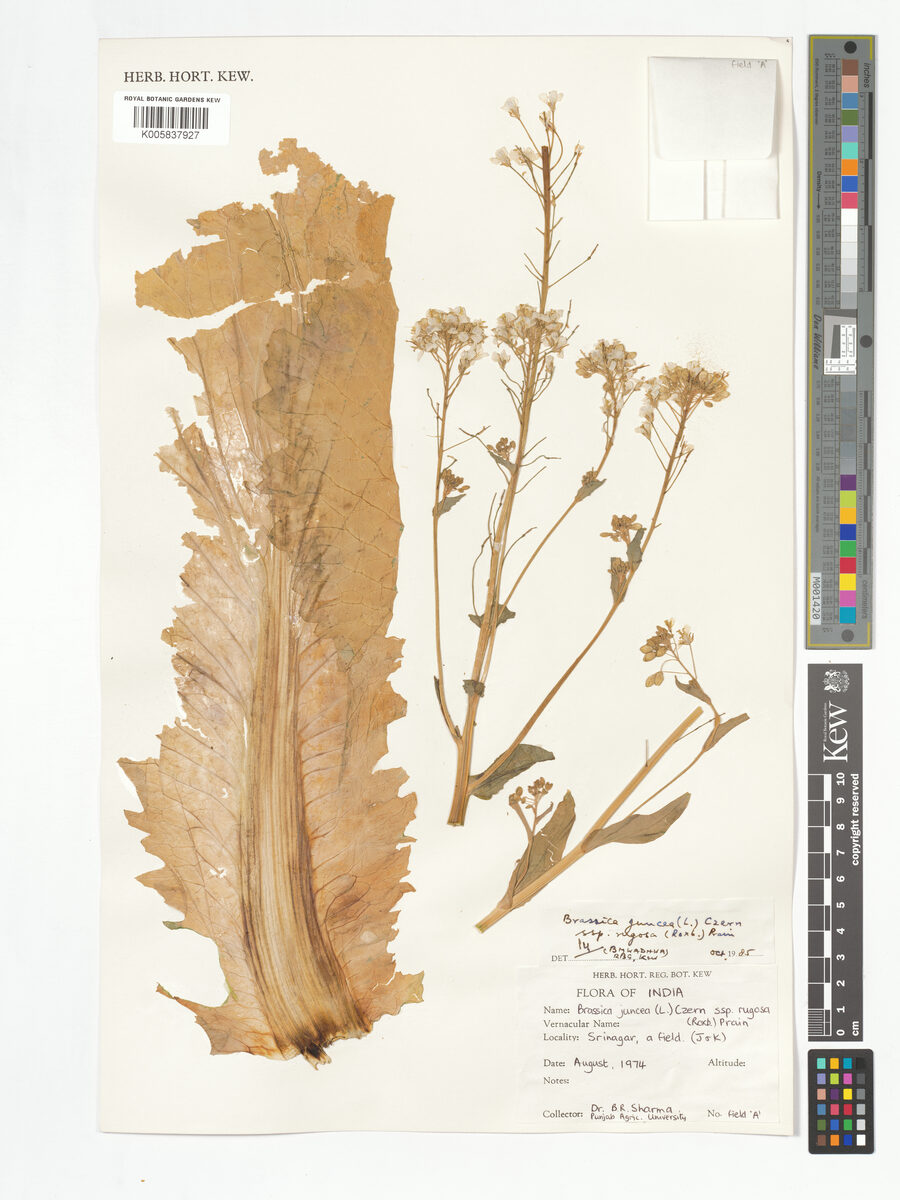
Brassica juncea rugosa - (Roxb.)N.Tsen.&S.N.Lee.
Head Mustard
Brassica juncea strumata
Large Petiole Mustard
Brassica juncea tsatsai multiceps
Green In The Snow
Brassica juncea tsatsai tumida
Swollen-Stem Mustard
Brassica juncea tumida
Swollen-Stem Mustard