Juniperus virginiana
L.
Pencil Cedar, Eastern redcedar, Southern redcedar, Silver Cedar, Burk Eastern Red Cedar, Silver East
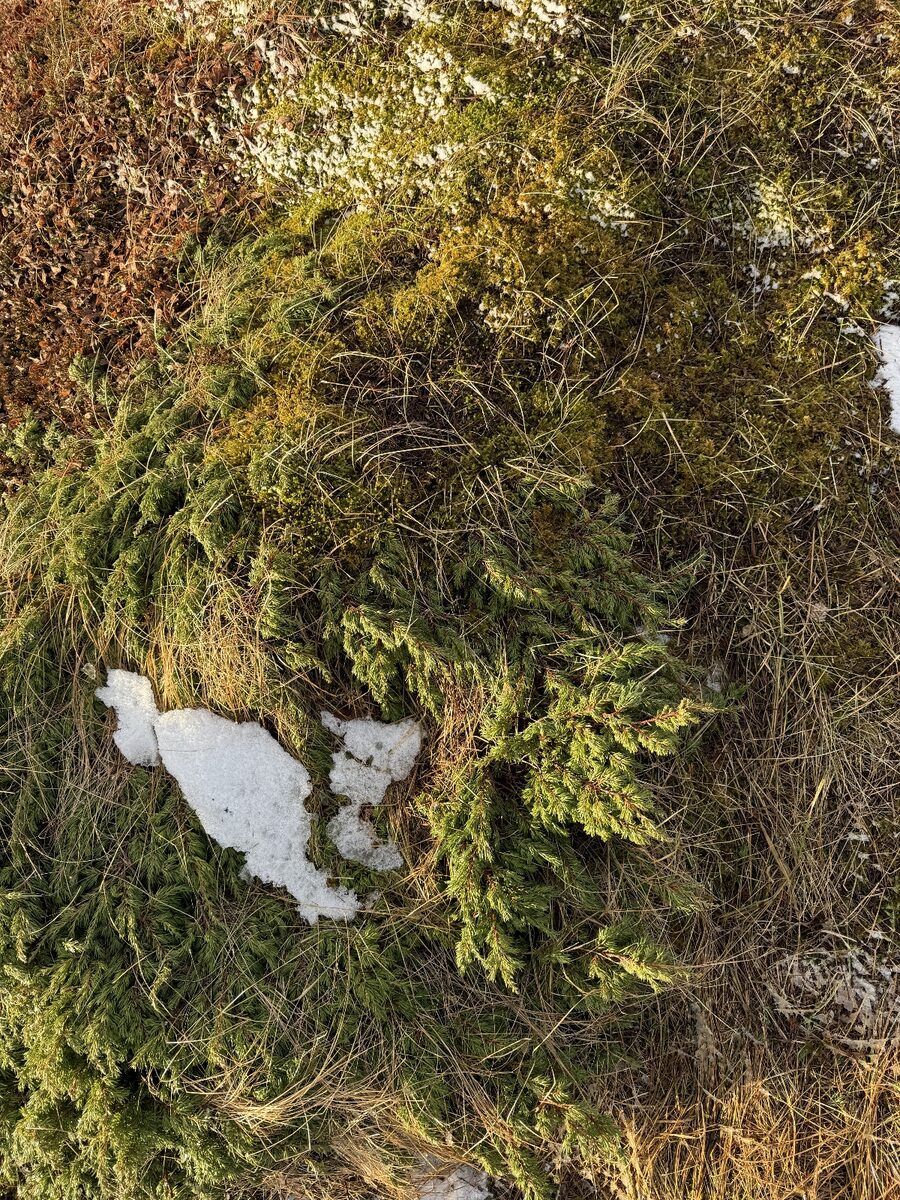
iNaturalist· cc-by-nc-sa
(c) Steven Severinghaus, some rights reserved (CC BY-NC-SA)
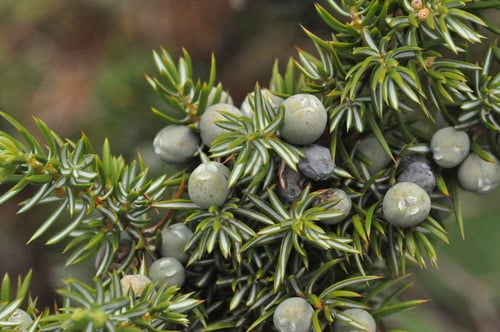
iNaturalist· cc-by-nc-sa
(c) Tom Potterfield, some rights reserved (CC BY-NC-SA)
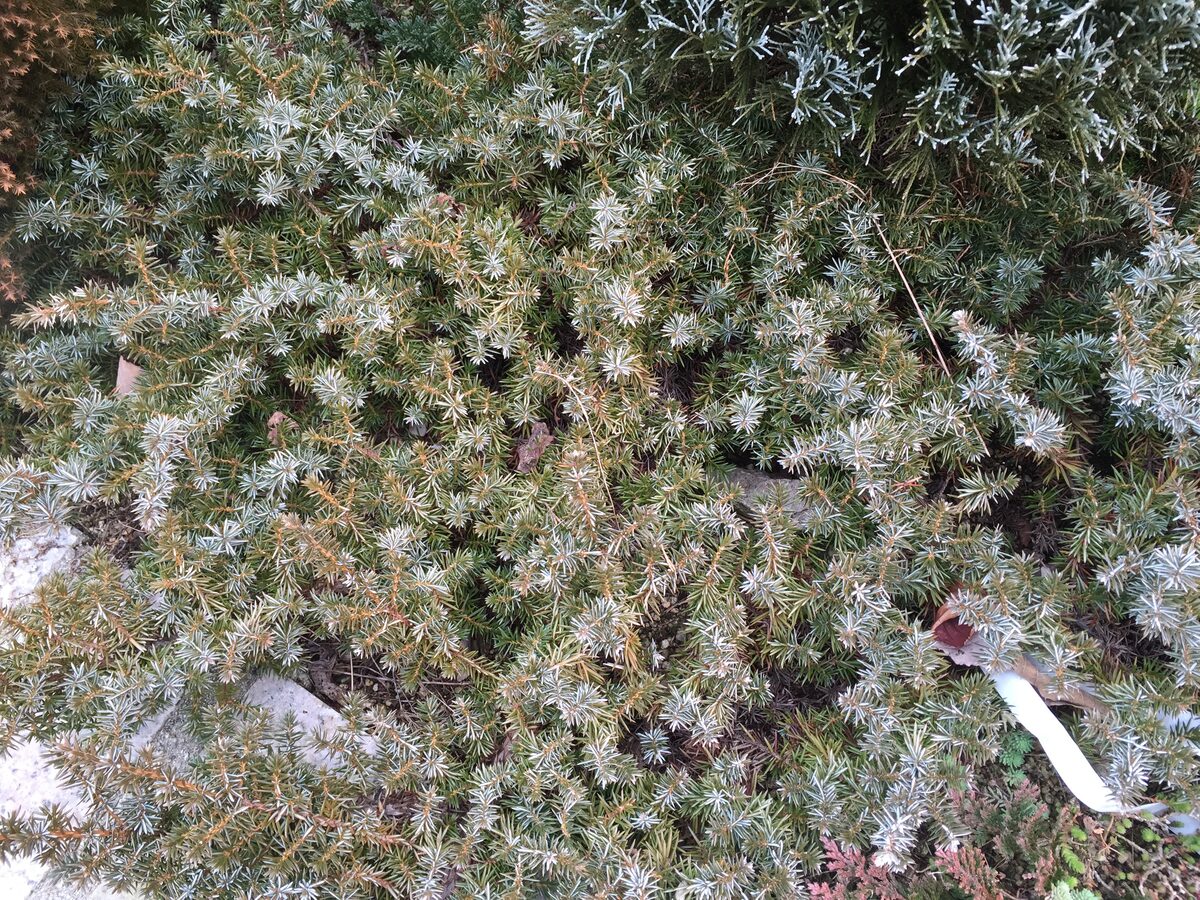
iNaturalist· cc-by-sa
(c) Douglas Goldman, some rights reserved (CC BY-SA), uploaded by Douglas Goldman
Description
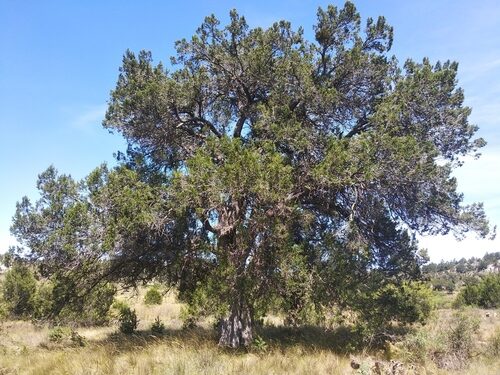
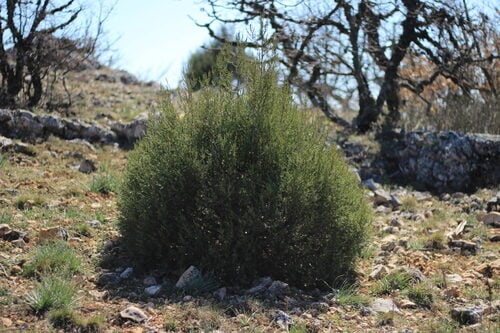
Juniperus virginiana is an evergreen Tree growing to 20 m (65ft) by 8 m (26ft) at a slow rate. See above for USDA hardiness. It is hardy to UK zone 4. It is in leaf all year, in flower from April to May, and the seeds ripen in October. The species is dioecious (individual flowers are either male or female, but only one sex is to be found on any one plant so both male and female plants must be grown if seed is required). and is pollinated by Wind. The plant is not self-fertile. Suitable for: light (sandy), medium (loamy) and heavy (clay) soils and prefers well-drained soil. Suitable pH: mildly acid, neutral and basic (mildly alkaline) soils and can grow in very alkaline soils. It cannot grow in the shade. It prefers dry or moist soil and can tolerate drought. The plant can tolerates strong winds but not maritime exposure.
Edible Uses
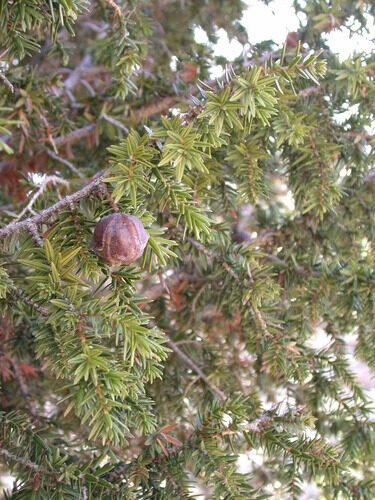
Tea. Fruit - raw or cooked. A sweetish resinous flesh. They can be crushed and used as a flavouring in soups and stews. The cones are about 5mm in diameter. About 10mm according to another report. A tea is made from the fruit. It is not very nice. It is made from the young branchlets and the fruit according to one report.
Medicinal Uses
Abortifacient Anthelmintic Antiseptic Aromatherapy Cancer Diaphoretic Diuretic Emmenagogue Rubefacient Stimulant. Pencil cedar leaves were much used medicinally by the native N. American Indians, and also in folk medicine by the white settlers, especially to treat chest complaints and skin problems such as venereal warts and other excrescences. The leaves are anthelmintic, diuretic, rubefacient and stimulant. A decoction has been used in the treatment of coughs and colds, general weakness and as a medicine for convalescents. The berries are anthelmintic, diaphoretic, emmenagogue and mildly antiseptic. They have been chewed as a treatment for mouth ulcers or made into a tea to treat colds, rheumatism, worms etc. The fresh young twigs are used as a diuretic. An infusion has been used both internally and as a steam bath in the treatment of rheumatism. The essential oil from the wood is an abortifacient, in some cases it has caused vomiting, convulsions, coma and death. The plant is said to contain the anticancer compound podophyllotoxin. The essential oil from the berries is used in aromatherapy. Its keyword is 'Composing'.
Known Hazards
All parts of the plant might be toxic.
Distribution
Central and Eastern N. America from Canada south to Georgia and Texas.
Where It Grows
NORTHERN AMERICA: Canada (Québec, Ontario), United States (Connecticut, Indiana, Maine, Massachusetts, Michigan, New Hampshire, New Jersey, New York, Ohio, Pennsylvania, Rhode Island, Vermont, Illinois, Iowa, Kansas, Minnesota, Missouri, Nebraska, North Dakota, Oklahoma, South Dakota, Wisconsin, Alabama, Arkansas, Delaware, Florida, Georgia, Kentucky, Louisiana, Maryland, Mississippi, North Carolina, South Carolina, Tennessee, Virginia, District of Columbia, Texas)
Cultivation
Succeeds in most soils if they are well drained, preferring a neutral or slightly alkaline soil and succeeding on chalk. Established plants are drought tolerant, succeeding in hot dry positions. They are also fairly wind-resistant. A very ornamental and hardy plant. It is very slow growing and apparently short-lived in Britain, though it is very long-lived in its native environment. Another report says that plants live to a moderate age of 200 - 350 years in the wild. Cultivated as a timber tree in some parts of C. and S. Europe and used as a Christmas tree in parts of N. America, there are some named forms, selected for their ornamental value. Closely related to J. scopulorum, it hybridizes with that species where their ranges overlap. The main difference between the two species is that the fruits of this plant mature in one year whilst those of J. scopulorum take two years. This species often hybridizes with other members of the genus. The crushed foliage has an aroma like soap or paint. Plants are resistant to honey fungus. In America this tree is a host of a gall-like rust that at certain stages in its life-cycle also attacks the leaves of apple trees. Plants are usually dioecious, though trees with both male and female flowers are occasionally found. Male and female plants must usually be grown if seed is required. In garden design, as well as the above-ground architecture of a plant, root structure considerations help in choosing plants that work together for their optimal soil requirements including nutrients and water.
Propagation
The seed requires a period of cold stratification. The seed has a hard seedcoat and can be very slow to germinate, requiring a cold period followed by a warm period and then another cold spell, each of 2 - 3 months duration. Soaking the seed for 3 - 6 seconds in boiling water may speed up the germination process. The seed is best sown as soon as it is ripe in a cold frame. Some might germinate in the following spring, though most will take another year. Another possibility is to harvest the seed 'green' (when the embryo has fully formed but before the seedcoat has hardened). The seedlings can be potted up into individual pots when they are large enough to handle. Grow on in pots until large enough, then plant out in early summer. When stored dry, the seed can remain viable for several years. Cuttings of mature wood, 5 - 10cm with a heel, September/October in a cold frame. Plant out in the following autumn. Layering in September/October. Takes 12 months.
Other Uses
Essential Incense Insecticide Repellent Shelterbelt Tinder WoodAn essential oil is obtained from the wood. Composed of cedar camphor or cedrol, it is used in soaps, as an insecticide and moth repellent, a deodorant, in polishes, perfumery etc. Chips of the wood have been used as moth repellents. The leaves are used as an incense and are also either burnt or crushed and then scattered around as an insect repellent. The crushed bark can be used as a soft base in cradles. The bark has also been cut into strips and used to make mats. The red inner bark is a source of a red dye. The bark of the tree is useful as tinder in starting fires Boy Scout style. Some cultivars of this tree are suitable for ground cover when spaced about 90cm apart each way. 'Tripartita' and 'Chamberlaynii' have been recommended. A fairly wind resistant tree, it can be grown as part of a shelterbelt planting. Wood - very durable, light, brittle, soft, easily worked, very fragrant, insect-resistant. The wood does not shrink much on drying and weighs 30lb per cubic foot. The reddish wood is highly prized for cabinet making, it is also used for fencing, the casing of lead pencils etc.