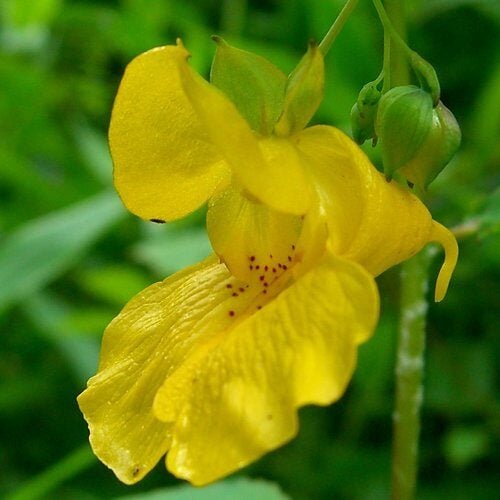
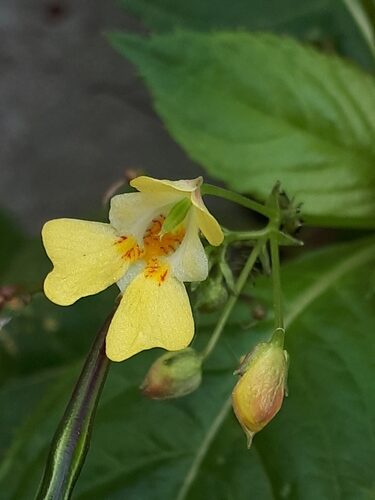
Impatiens balsamina
L.
Rose Balsam, Spotted snapweed, Touch-Me-Not, Garden Balsam
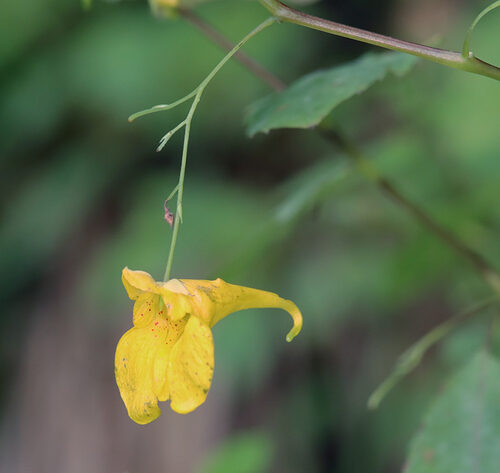
iNaturalist· cc-by-nc
(c) Yuwaraj Gurjar, some rights reserved (CC BY-NC), uploaded by Yuwaraj Gurjar
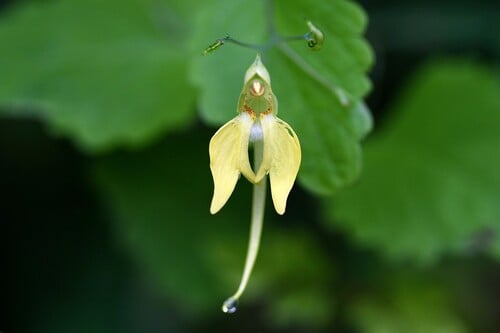
iNaturalist· cc-by-nc-sa
(c) satish nikam, some rights reserved (CC BY-NC-SA)
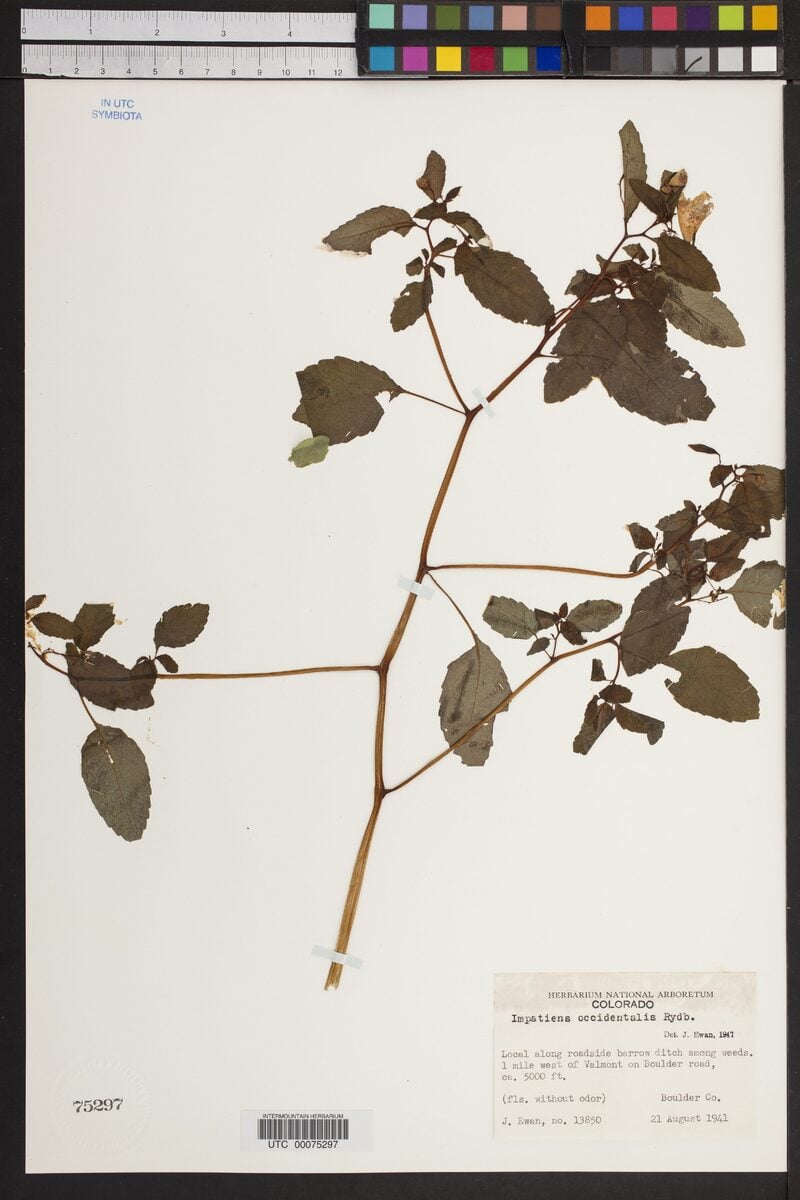
iNaturalist· cc-by-nc
(c) catiscat, some rights reserved (CC BY-NC), uploaded by catiscat
Description
Impatiens balsamina is a ANNUAL growing to 0.6 m (2ft) by 0.5 m (1ft 8in) at a medium rate. It is frost tender. The species is hermaphrodite (has both male and female organs) and is pollinated by Insects. Suitable for: light (sandy), medium (loamy) and heavy (clay) soils and can grow in heavy clay soil. Suitable pH: mildly acid, neutral and basic (mildly alkaline) soils. It can grow in semi-shade (light woodland) or no shade. It prefers moist soil.
Edible Uses
Oil. Leaves and young shoots - cooked. Seed - raw or cooked. They are difficult to collect in quantity, mainly because of their exploding seed capsules which scatter the ripe seed at the slightest touch.
Medicinal Uses
Antibiotic Cancer Cathartic Diuretic Emetic Expectorant Poultice Tonic Warts. The plant is cathartic, diuretic and emetic. It is used in the treatment of pains in the joints. The leaf juice is used as a treatment against warts. The flowers are cooling, mucilaginous and tonic. They are useful when applied to burns and scalds. The juice of the flowers is used to treat snakebites. The flowers, and their alcoholic extract, possess marked antibiotic activity against some pathogenic fungi and bacteria. The seed is expectorant and has been used in the treatment of cancer. The powdered seeds are given to women during labour in order to provide strength.
Known Hazards
Regular ingestion of large quantities of these plants can be dangerous due to their high mineral content. This report, which seems nonsensical, might refer to calcium oxalate. This mineral is found in I. capensis and so is probably also in other members of the genus. It can be harmful raw but is destroyed by thoroughly cooking or drying the plant. People with a tendency to rheumatism, arthritis, gout, kidney stones and hyperacidity should take especial caution if including this plant in their diet.
Distribution
E. Asia - China, India, Malaya.
Where It Grows
TROPICAL ASIA: India, Myanmar
Cultivation
Succeeds in any reasonably good soil. Grows well in heavy clay soils. Prefers a moist well-drained humus rich soil in a cool site. Another report says that this species requires warm, moist conditions. Succeeds in sun or semi-shade. Plants are not frost hardy, but can be grown outdoors in Britain by sowing the seed in a greenhouse and planting out after the last expected frosts. A polymorphic species, there are several named forms selected for their ornamental value. This plant has seed capsules that spring open forcibly as the seed ripens to eject the seed a considerable distance. The capsules are sensitive to touch even before the seed is ripe, making seed collection difficult but fun.
Propagation
Seed - sow spring in a greenhouse. When they are large enough to handle, prick the seedlings out into individual pots and plant them out in the summer.
Other Uses
Dye OilA dye is obtained from the flowers and leaves. The prepared juice has been used for dyeing finger and toenails red. The seed contains 27% of a viscous oil, though the report does not mention if this oil is utilised for any purpose.