Hordeum bulbosum
L.
Bulbous Barley
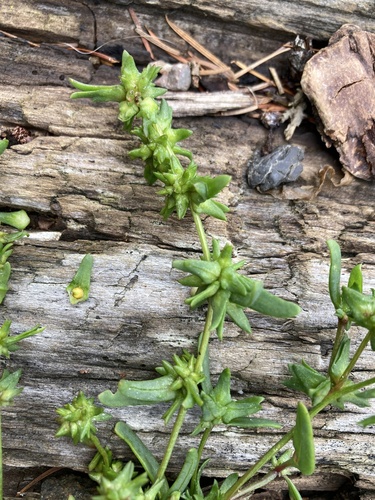
iNaturalist· cc-by-nc
(c) Сергей, some rights reserved (CC BY-NC), uploaded by Сергей
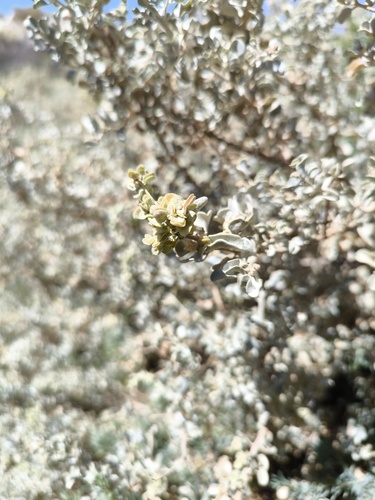
iNaturalist· cc-by-nc
(c) Динасафина, some rights reserved (CC BY-NC), uploaded by Динасафина
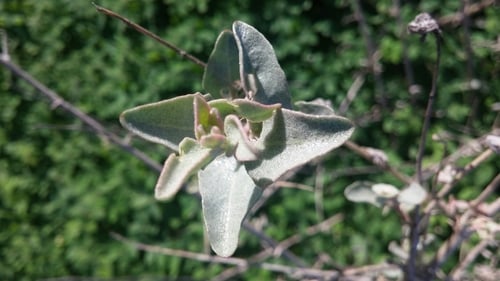
iNaturalist· cc-by-nc
(c) עומר וינר, some rights reserved (CC BY-NC), uploaded by עומר וינר
Description
Hordeum bulbosum is a PERENNIAL growing to 1.2 m (4ft). It is in flower from June to July. The species is hermaphrodite (has both male and female organs) and is pollinated by Wind. Suitable for: light (sandy), medium (loamy) and heavy (clay) soils and prefers well-drained soil. Suitable pH: mildly acid, neutral and basic (mildly alkaline) soils. It cannot grow in the shade. It prefers dry or moist soil.
Edible Uses
Seed - cooked. The seed can be ground into a flour and used as a cereal in making bread, porridge etc. Root - chewed or occasionally eaten.
Distribution
S. Europe - Mediterranean.
Where It Grows
TEMPERATE ASIA: Afghanistan (north), Cyprus, Iran, Iraq (north), Israel, Jordan, Syria, Turkey, Azerbaijan, Russian Federation (Dagestan), Kyrgyzstan, Turkmenistan (south), Uzbekistan (south) EUROPE: Ukraine (Krym), Albania, Bulgaria, Greece (incl. Crete), Croatia, Italy (incl. Sardinia, Sicily), Romania (south), Serbia, Spain, France (s.e. & Corsica), Portugal AFRICA: Algeria (north), Libya (northeast), Morocco (north), Tunisia
Cultivation
Succeeds in most soils. Easily grown in light soils. This plant is currently (1992) being tested for its potential as a perennial grain in N. America.
Propagation
Seed - sow in situ in March or October and only just cover the seed. Make sure the soil surface does not dry out if the weather is dry. Germination takes place within 2 weeks.
Other Uses
Biomass Fibre Mulch Paper. The stems, after the seed has been harvested, have many uses. They are a source of fibres for making paper, a biomass for fuel etc, they can be shredded and used as a mulch.