Atriplex arenaria
Nutt. ? S. Watson
Crested saltbush
wikimedia· cc0
Wikimedia Commons - Patrick Alexander from Las Cruces, NM
wikimedia· cc0
Wikimedia Commons - Maurice Charles Pierre Langeron
Description
An annual herb. It grows 2-6 m high. The plant is bushy and stems can curve upwards or hang down. They are angular and slender. The leaves are oblong and arrow shaped. They are rounded at the base. They are light green in colour. The flowers are creamy-yellow and are in clusters in the axils of leaves. The fruit or seeds are small and grey green.
Edible Uses
Young leaves can be eaten raw in salads or cooked in soups and stews. The seeds can be ground and eaten as flour.
Traditional Uses
The young leaves can be eaten raw in salads or cooked in soups or stews. The seeds have been ground and eaten as flour.
This uses section is brief — help expand it
Distribution
It is a temperate plant.
Where It Grows
Australia, North America, USA,
Cultivation
Plants can be grown by seed or cuttings.
Notes
There are about 100-300 Atriplex species. They have also been put in the family Chenopodiaceae.
References (3)
- Esperanca, M. J., 1988. Surviving in the wild. A glance at the wild plants and their uses. Vol. 2. p 198
- Martin, F.W. & Ruberte, R.M., 1979, Edible Leaves of the Tropics. Antillian College Press, Mayaguez, Puerto Rico. p 182
- Plants for a Future database, The Field, Penpol, Lostwithiel, Cornwall, PL22 0NG, UK. http://www.scs.leeds.ac.uk/pfaf/
More from Amaranthaceae
Triticum turgidum dicoccon - (Schrank.)Thell.
Emmer
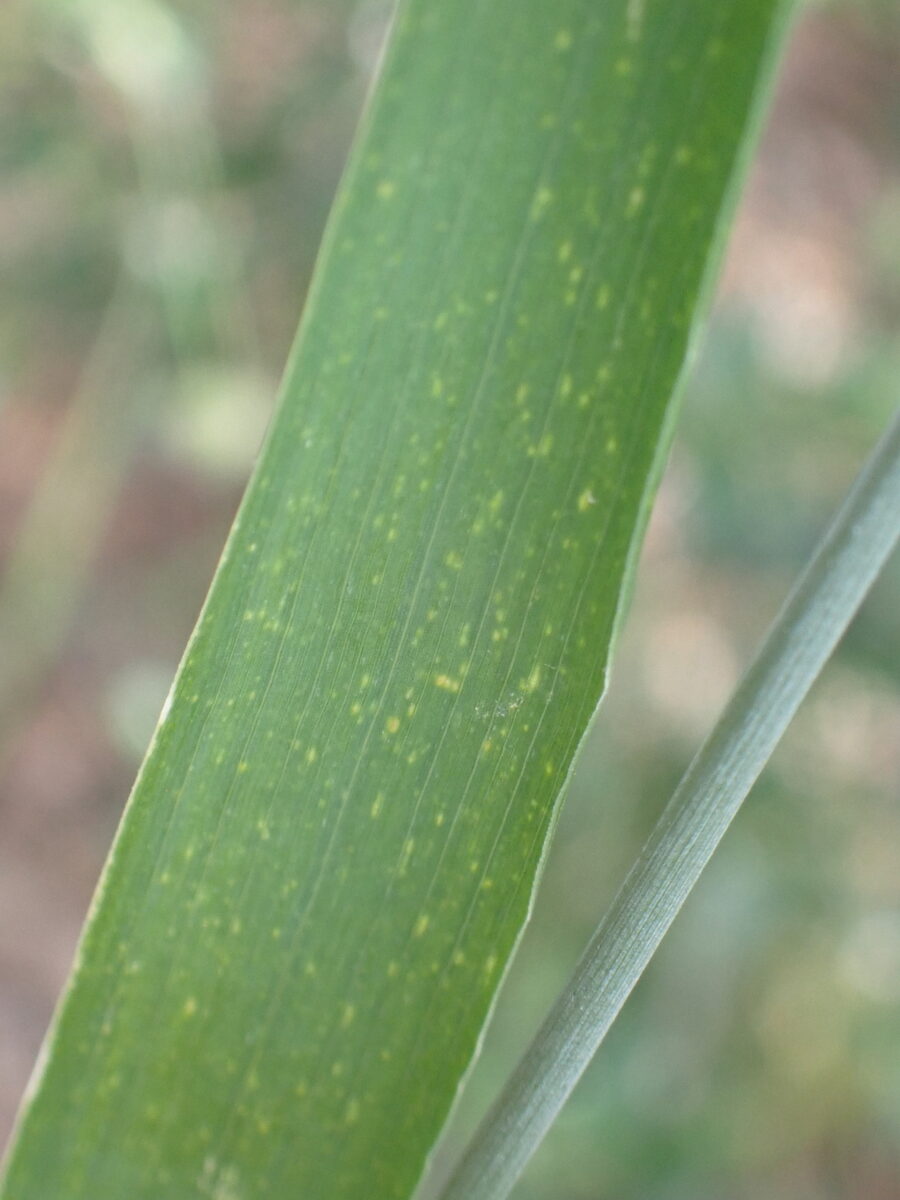
Triticum turgidum durum - (Desf.)Husn.
Durum Wheat
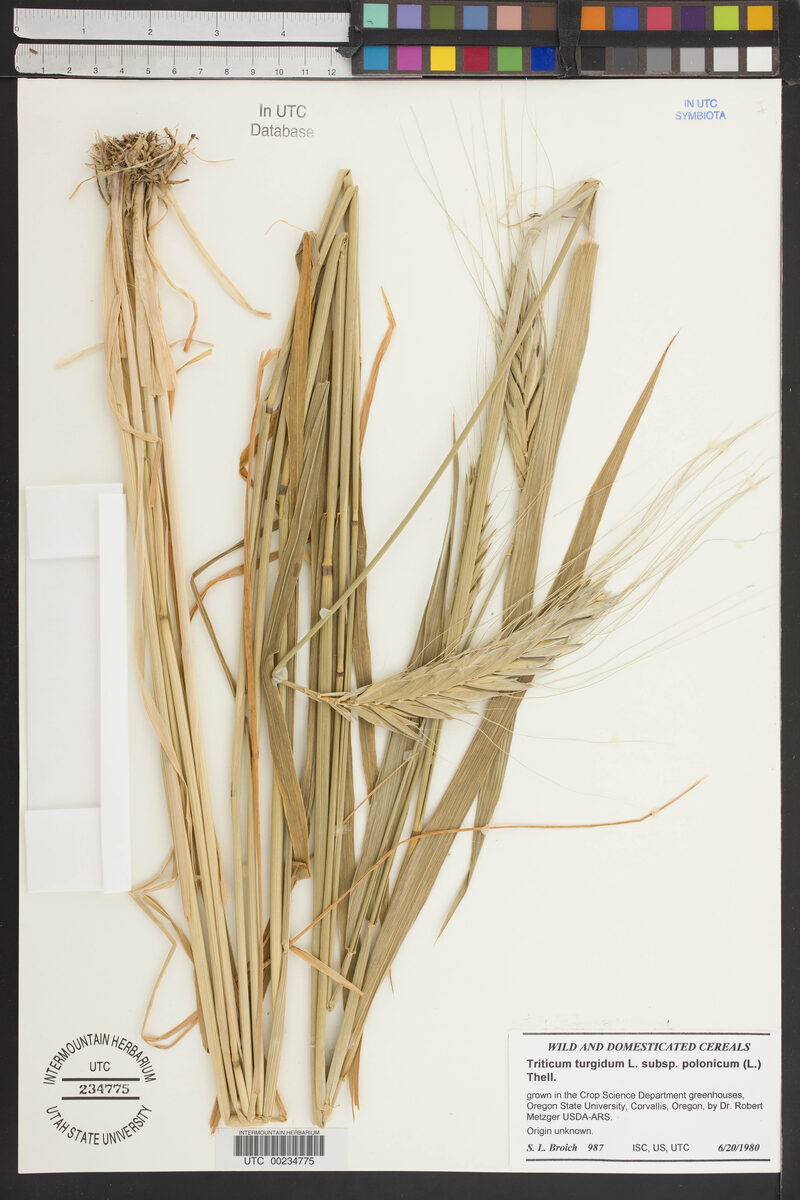
Triticum turgidum polonicum - (L.)Thell.
Polish Wheat
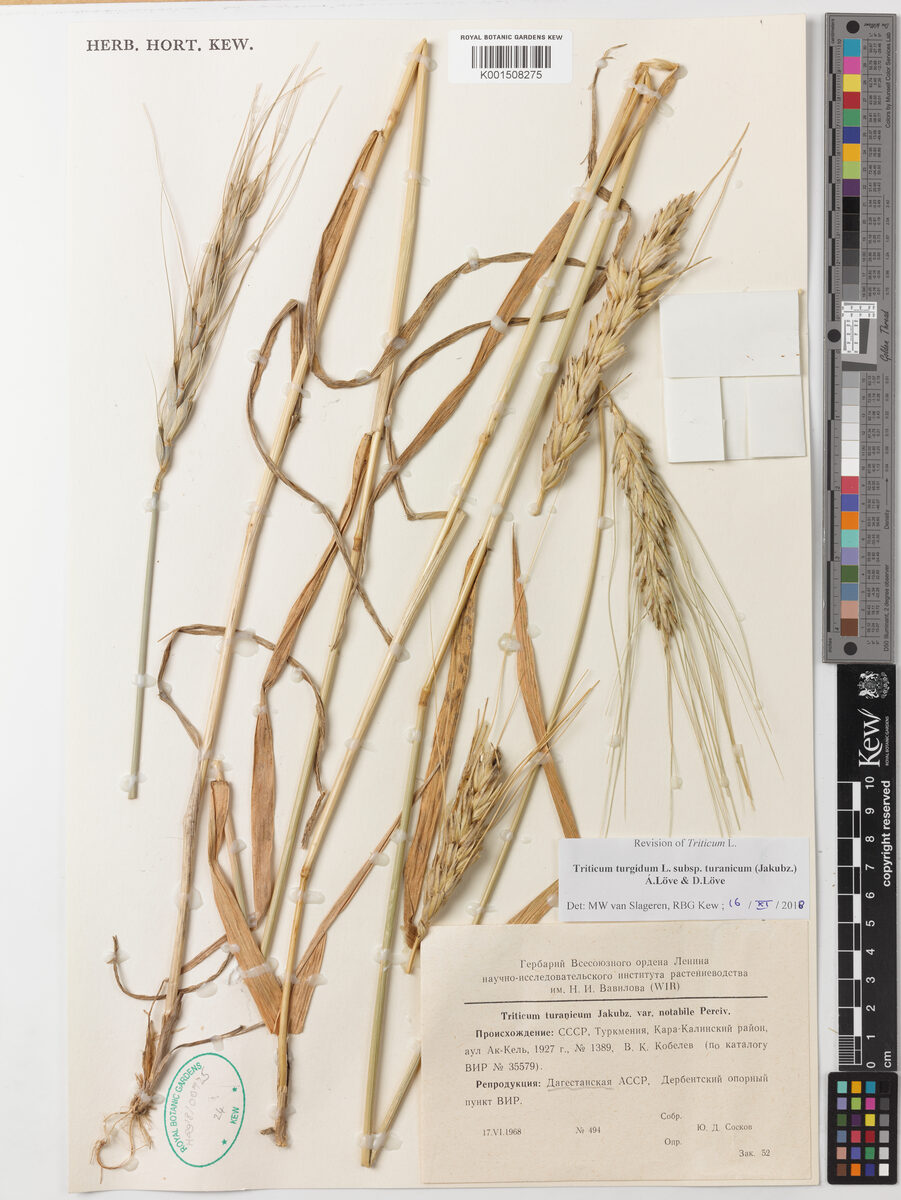
Triticum turgidum turanicum - (Jakubz.)Á.Löve.&D.Löve.
Khurasan Wheat
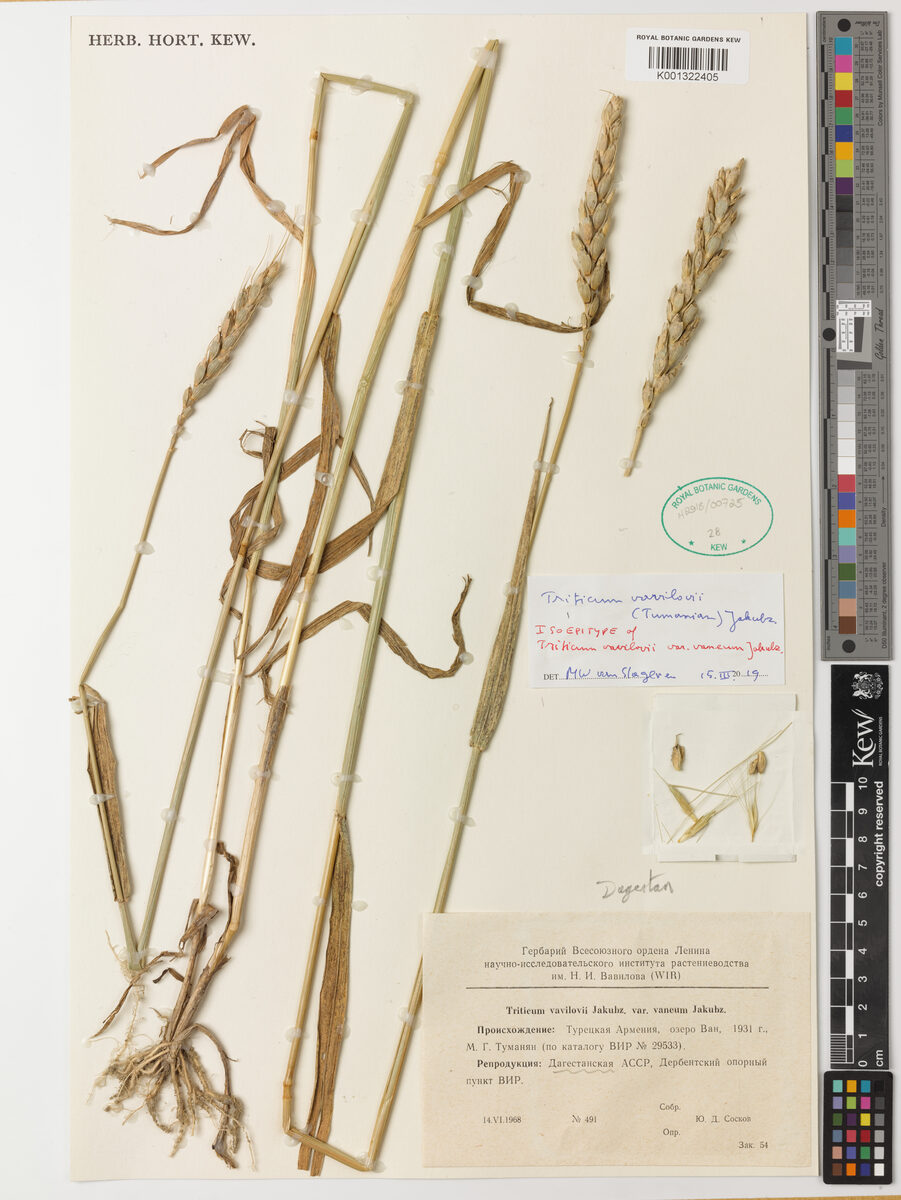
Triticum vavilovi - (Tumanian.)Jakubz.
Vavilov's Wheat
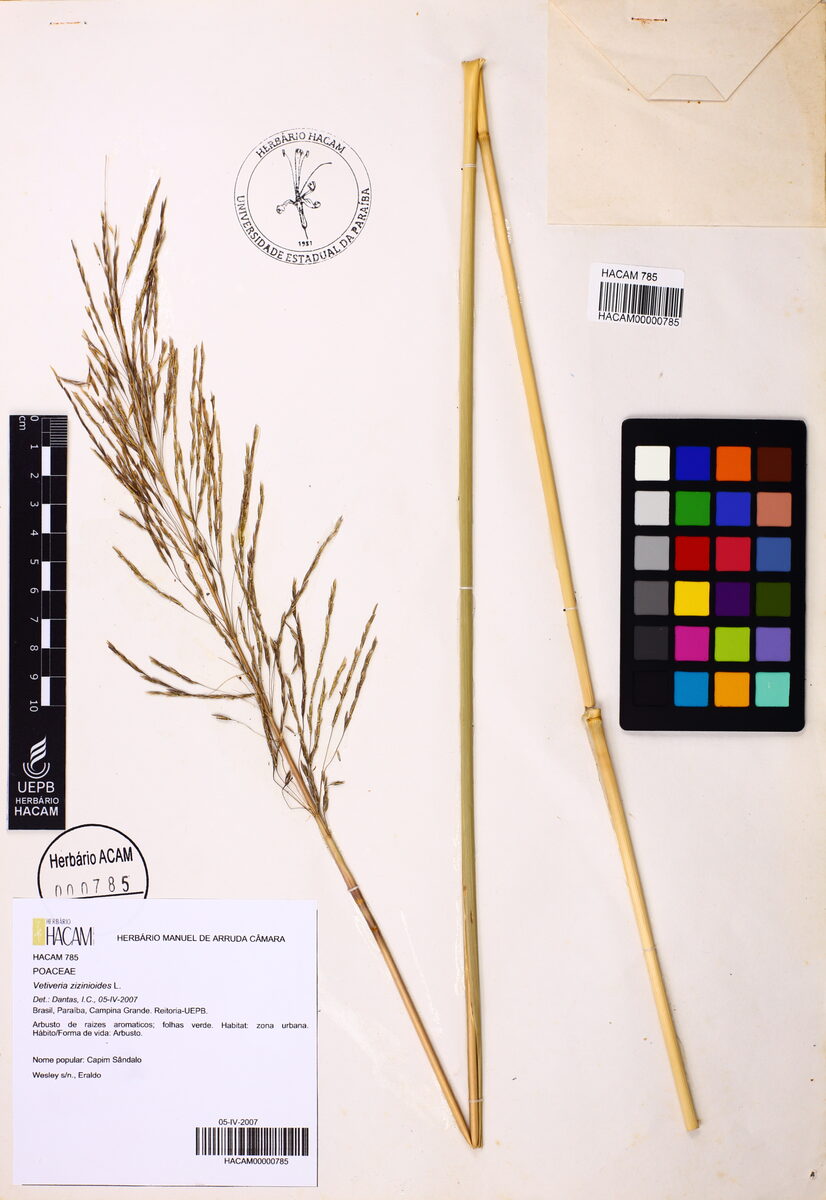
Vetiveria zizanioides - (L.)Nash.
Vetiveria, Vetivergrass