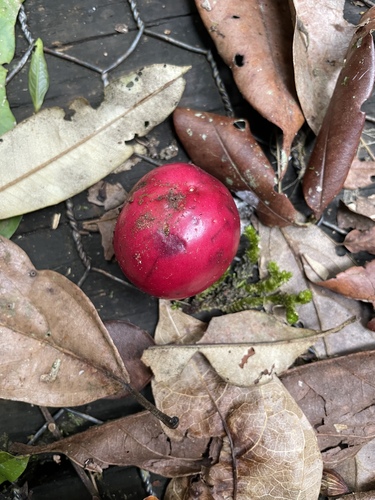
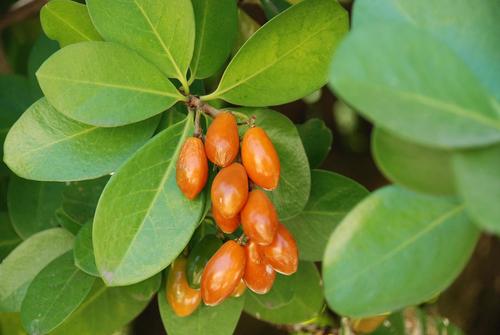
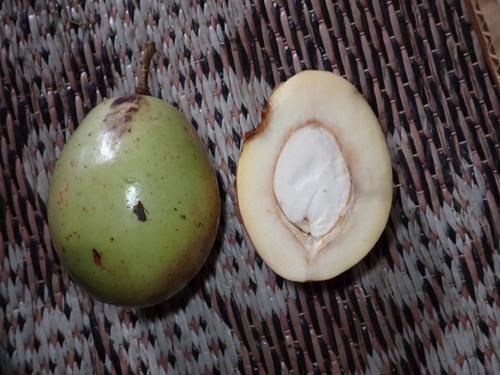
Corynocarpus spp.
Various
Karaka
gbif· cc-by-nc
kateboersma
gbif· cc-by-nc
kateboersma
gbif· cc-by-nc
kateboersma
Description
Corynocarpus spp. is an evergreen Tree growing to 15 m (49ft) by 12 m (39ft) at a fast rate. See above for USDA hardiness. It is hardy to UK zone 8. Suitable for: light (sandy), medium (loamy) and heavy (clay) soils and prefers well-drained soil. Suitable pH: mildly acid, neutral and basic (mildly alkaline) soils. It can grow in semi-shade (light woodland) or no shade. It prefers moist soil.
Edible Uses
Edible Uses:
Distribution
Native to New Guinea, Australia, New Zealand, New Caledonia, and Vanuatu.
Where It Grows
Coming Soon
Cultivation
Industrial Crop: Starch Management: Standard Wild Crop. Climate: warm temperate to subtropical. Humidity: humid. Carbon Farming Solutions - Cultivation: wild. Management: standard (Describes the non-destructive management systems that are used in cultivation).
Propagation
Seed - best sown in a greenhouse as soon as it is ripe. When they are large enough to handle, prick the seedlings out into individual pots and grow them on in the greenhouse for at least their first winter. Plant them out into their permanent positions in late spring or early summer, after the last expected frosts. Cuttings of half-ripe wood, July/August in a frame.
Other Uses
Carbon Farming Solutions - Industrial Crop: starch (Crops grown for non-food uses. Industrial crops provide resources in three main categories: materials, chemicals, and energy. Traditional materials include lumber and thatch, paper and cardboard, and textiles). Corynocarpus spp. are crops suited to woody agriculture..
Synonyms
Also Known As
Corynocarpus species. New Zealand Laurel, Karaka nut, karaka, Cook Islands: koopii. Germany: Karakabaum. Hawaii: karaka nut; karakanut; karakaranut; New Zealand laurel. New Zealand: koopii; kopi; Maori peanut; wairarapa.