Corynocarpus laevigatus
J. R. Forst. & G. Forst.
Karaka, New Zealand Laurel
iNaturalist· cc-by-nc-nd
(c) jakub303, some rights reserved (CC BY-NC-ND)
iNaturalist· cc-by
(c) Jacqui Geux, some rights reserved (CC BY)
iNaturalist· cc-by
(c) Jacqui Geux, some rights reserved (CC BY)
Summary
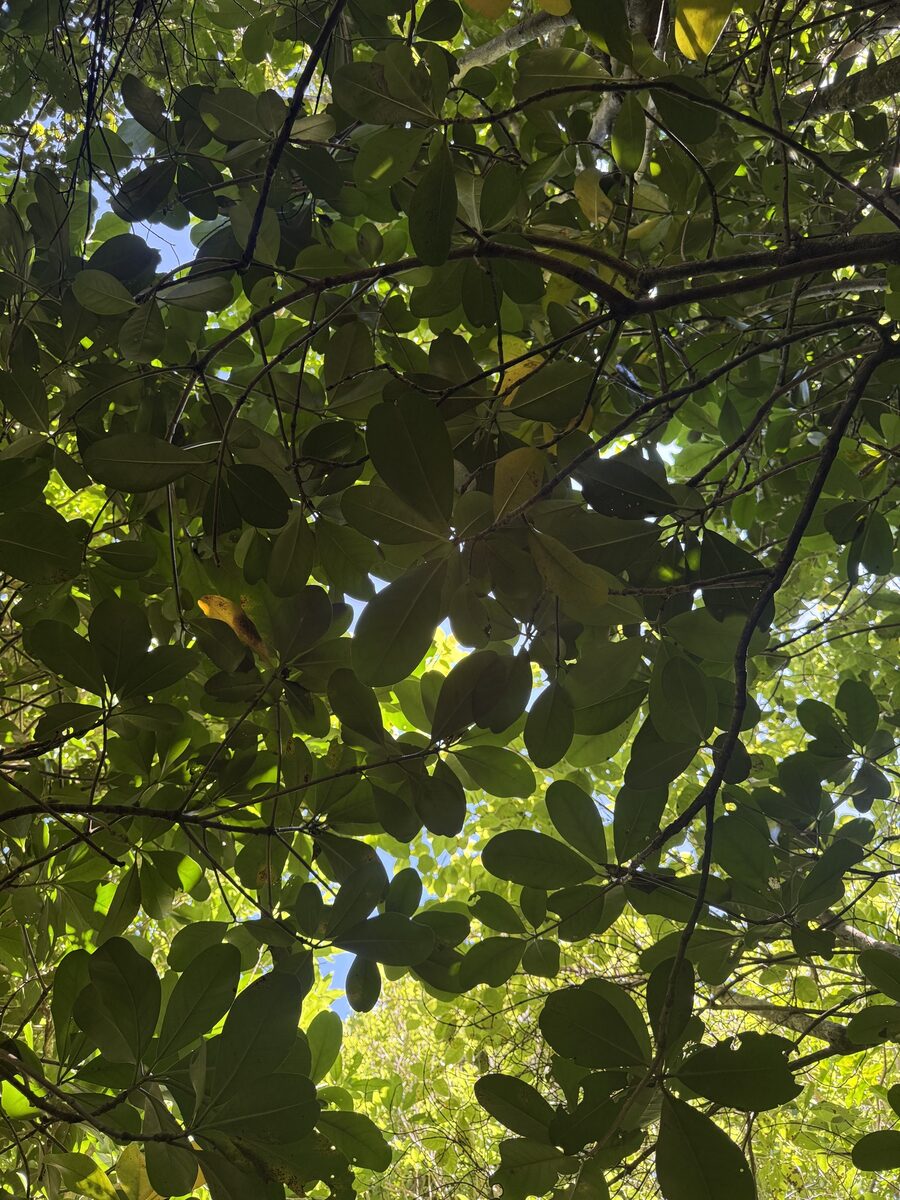
Source: WikipediaCorynocarpus laevigatus, commonly known as karaka or the New Zealand laurel, is an evergreen tree in the family Corynocarpaceae. It is endemic to New Zealand and is common throughout the North Island and less common in the South Island. C. laevigatus individuals are also found on the Chatham Islands, Kermadec Islands, and the Three Kings Islands. C. laevigatus is mainly a coastal tree, although in the North Island, it is also found inland. Corynocarpus laevigatus was first described in 1776 by the German naturalists Georg and Johann Reinhold Forster. C. laevigatus grows to heights of up to 15–20 metres (50–70 feet) and has a trunk of up to 60 centimetres (20 inches) in diameter. Its leaves are leathery, dark to bright green in colour and up to 15–30 cm (6–10 in) long. C. laevigatus produces large oval-shaped orange-coloured fruits. C. laevigatus seeds are highly toxic to humans and contain poisonous toxins and other glucosides. The fruits are a valuable food source for the kererū and the Chatham Islands pigeon. C. laevigatus has been introduced to the United States for reforestation purposes; it is naturalised and considered an invasive species on several Hawaiian islands and is mainly found on the island of Kauai. It is considered a taonga (cultural treasure) amongst the Māori and Moriori peoples, who valued C. laevigatus for its drupes and seeds. On the Chatham Islands, depictions of Moriori ancestors were carved on to C. laevigatus trees (known as rākau momori) and are considered internationally significant and unique to their culture. An exoplanet originally named HD 137388 was renamed to "Karaka" in 2019 in recognition of the tree's orange-coloured fruit.
Description
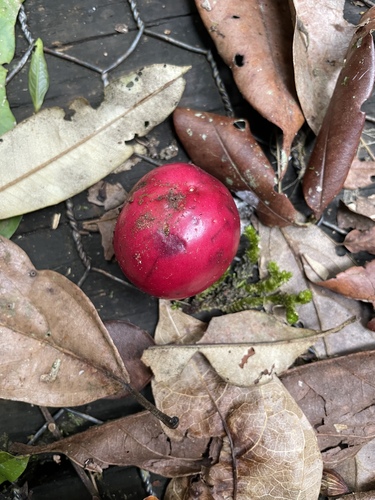
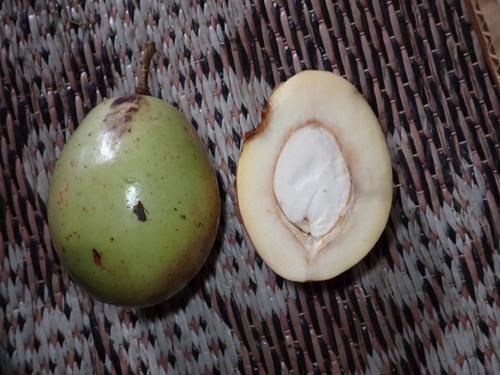
An evergreen tree. It grows 6-9 m high but can be 16-20 m high. The trunk can be 60 cm across. The crown is dense and rounded. The leaves are broad and leathery. They can be 7-20 cm long. The flowers are small and yellow and occur in clusters. The fruit are orange-yellow. They are 1.8-3.8 cm long. Each contains a large highly poisonous seed. It was eaten after careful treatment.
Edible Uses
The fruit can be eaten raw — it is sweet and pulpy. One report suggests the raw fruit is poisonous, though this may be a confusion with the seed. The seed must be cooked before eating; soaking in salt water, thorough boiling, or roasting is required to destroy a harmful compound it contains. A staple food of the Maoris, the seed yields a tasteless, starchy substance and contains approximately 11% protein and 58% carbohydrate.
Traditional Uses
CAUTION: The seed are highly poisonous unless carefully treated. The kernel was ground and baked. The flesh covering is removed then the kernels boiled in water for 3-4 hours. The kernels are then steeped in cold water for a week. They are then ready to be eaten. The pulp of the fruit is eaten.
Medicinal Uses
None known
Known Hazards
None known
Distribution
It is a warm temperate to subtropical climate plant. They grow in lowland coastal situations in New Zealand. They can cope with salt spray. They are frost tender. They need moist, well drained soils. It suits plant hardiness zones 9-11. Hobart Botanical Gardens. In Melbourne Botanical Gardens.
Where It Grows
Australia, Britain, Europe, Hawaii, New Zealand*, Pacific, Tasmania, Vanuatu,
Cultivation
Succeeds in ordinary garden soil. Best grown in a woodland garden. Plants are not very frost-tolerant and are only hardy outdoors in the mildest areas of Britain. There is a large tree in Falmouth. Plants tolerate pruning if this is necessary.
Propagation
Sow seed in a greenhouse as soon as it is ripe. When seedlings are large enough to handle, prick them out into individual pots and grow on in the greenhouse for at least their first winter. Plant out into permanent positions in late spring or early summer, after the last expected frosts. Alternatively, take half-ripe cuttings in July or August and root in a frame.
Other Uses
An insecticide is made from the plant. The tree trunk is used by the Maoris to make canoes. The plant is also noted as an industrial starch crop suited to woody agriculture.
Notes
There are 6 Corynocarpus species. They occur in the Pacific region.
Also Known As
New Zealand Laurel, Karaka nut, karaka, Cook Islands: koopii. Germany: Karakabaum. Hawaii: karaka nut; karakanut; karakaranut; New Zealand laurel. New Zealand: koopii; kopi; Maori peanut; wairarapa.
References (19)
- Bodkin, F., 1991, Encyclopedia Botanica. Cornstalk publishing, p 288
- Brickell, C. (Ed.), 1999, The Royal Horticultural Society A-Z Encyclopedia of Garden Plants. Convent Garden Books. p 305
- Brooker, 1986,
- Brooker, et al
- Char. gen. pl. 1:16. 1775
Show all 19 references Hide references
- Crowe, A., 1997, A Field Guide to the Native Edible Plants of New Zealand. Penguin. p 25
- Cundall, P., (ed.), 2004, Gardening Australia: flora: the gardener's bible. ABC Books. p 424
- Etherington, K., & Imwold, D., (Eds), 2001, Botanica's Trees & Shrubs. The illustrated A-Z of over 8500 trees and shrubs. Random House, Australia. p 234
- Hedrick, U.P., 1919, (Ed.), Sturtevant's edible plants of the world. p 221
- Kiple, K.F. & Ornelas, K.C., (eds), 2000, The Cambridge World History of Food. CUP p 1795
- Lord, E.E., & Willis, J.H., 1999, Shrubs and Trees for Australian gardens. Lothian. p 51
- Matthews, J., 1987, New Zealand Native Plants for your Garden. Pacific Publishers, p 38
- Menninger, E.A., 1977, Edible Nuts of the World. Horticultural Books. Florida p 56
- Plants for a Future, The Field, Penpol, Lostwithiel, Cornwall, PL22 0NG, UK. http://www.scs.leeds.ac.uk/pfaf/
- Salmon, J.T., 1989, The Native Trees of New Zealand. Heinmann Reid p 227
- Skinner, G. & Brown, C., 1981, Simply Living. A gatherer's guide to New Zealand's fields, forests and shores. Reed. p 42
- Stewart, K., 1984, Collins handguide to the Native Trees of New Zealand. Collins. p 30
- Wickens, G.E., 1995, Edible Nuts. FAO Non-wood forest products. FAO, Rome. p 119
- Young, J., (Ed.), 2001, Botanica's Pocket Trees and Shrubs. Random House. p 283