Hoffmannseggia burchellii
(DC.) Oliv.
iNaturalist· cc0
no rights reserved
iNaturalist· cc0
no rights reserved
iNaturalist· cc-by-nc
(c) tanderson, some rights reserved (CC BY-NC)
Description
A herb. It keeps growing from year to year. It grows 40 cm high. It has thickened roots 20 cm long and 1-2 cm wide. There can be a cluster of 10 roots. The skin is yellowish brown. The leaves are compound. They have leaflets along the stalk.
Edible Uses
Root - raw. A slightly sweet flavour, they are loved by children though adults seldom eat them. The roots are chewed for their sweet juice, then the fibrous remains are spat out. The finger-shaped roots are up to 15cm long, produced in clusters of around 10 roots.
Traditional Uses
The tuberous roots are eaten raw. The skin is removed.
This uses section is brief — help expand it
Distribution
It is a tropical plant. It grows in sandy soils. It grows in wooded grasslands and on Kalahari sands. It grows between 900-1,200 m above sea level.
Where It Grows
Africa, Botswana, Namibia, South Africa, Southern Africa, Zimbabwe,
Cultivation
The plant grows in the wild on sandy soils. Although many species within the family Fabaceae have a symbiotic relationship with soil bacteria, this species is said to be devoid of such a relationship and therefore does not fix atmospheric nitrogen.
Notes
Also as Caesalpinaceae. It does not fix nitrogen.
References (4)
- Fern, K., 2012, Tropical Species Database http://theferns.info/tropical/
- Lee, 1979,
- Leger, S., 1997, A Description of Today's Use of Plants in West Bushmanland (Namibia). German Development Service. PO Box 220035, 14061 Berlin, Germany. http://www.sigridleger.de/book/
- Peters, C. R., O'Brien, E. M., and Drummond, R.B., 1992, Edible Wild plants of Sub-saharan Africa. Kew. p 123
More from Fabaceae
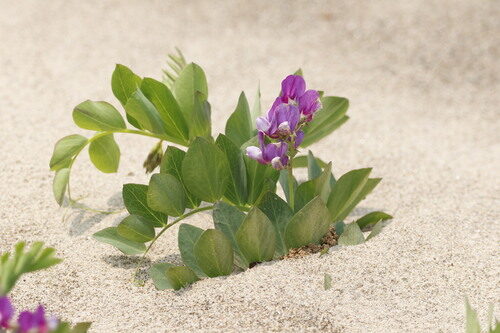
Lathyrus japonicus
Beach Pea, Smallflower beach pea
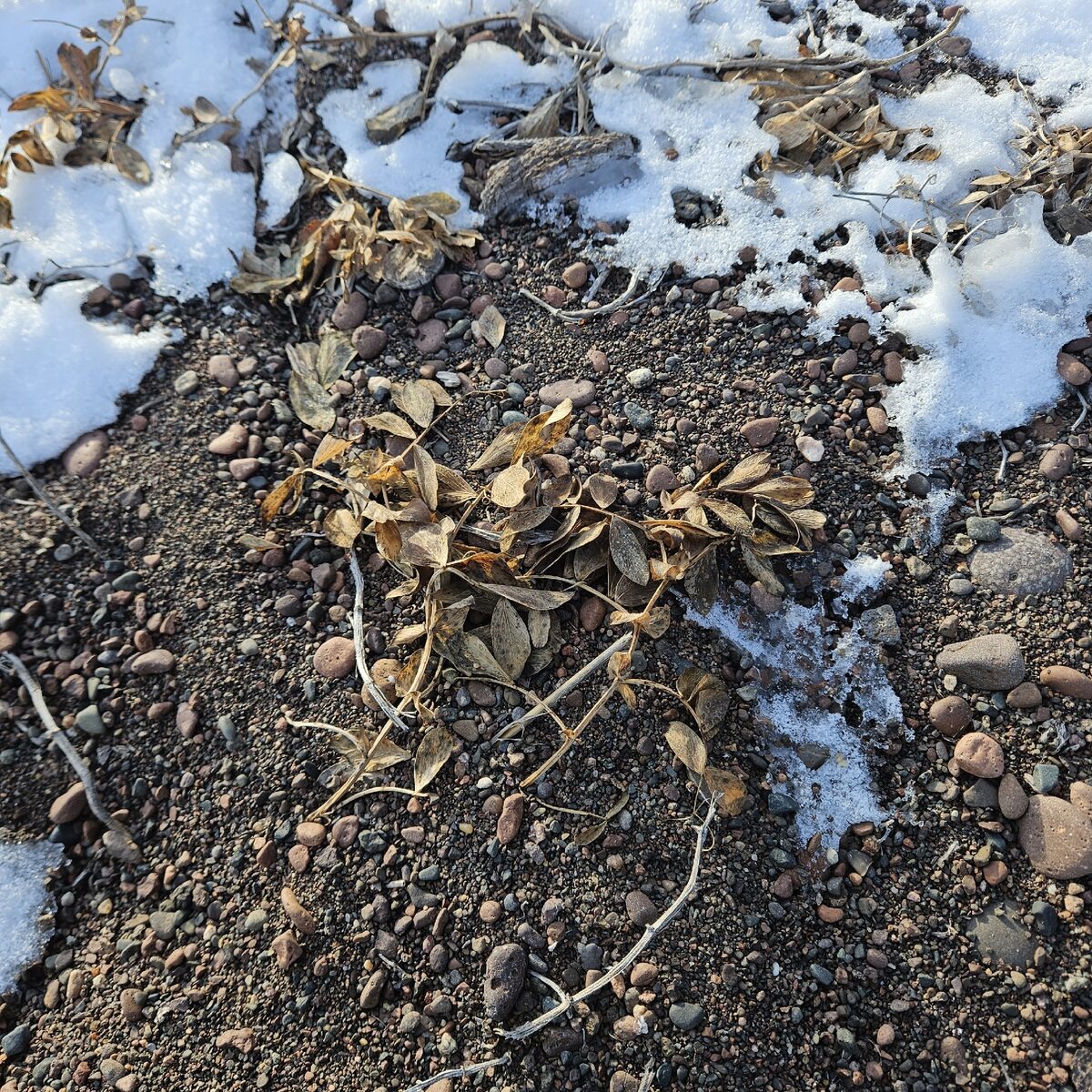
Lathyrus japonicus maritimus - (L.)P.W.Ball.
Beach Pea
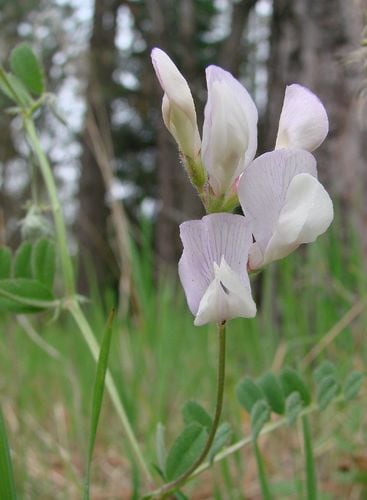
Lathyrus jepsonii subsp. californicus
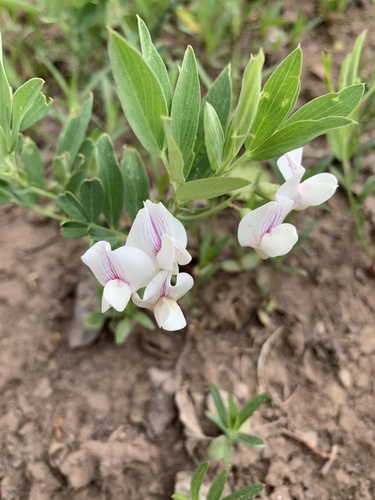
Lathyrus lanszwertii var. leucanthus
Aspen peavine
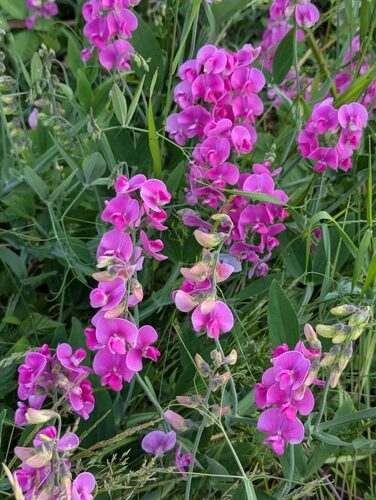
Lathyrus latifolius
Perennial Sweet Pea, Perennial pea
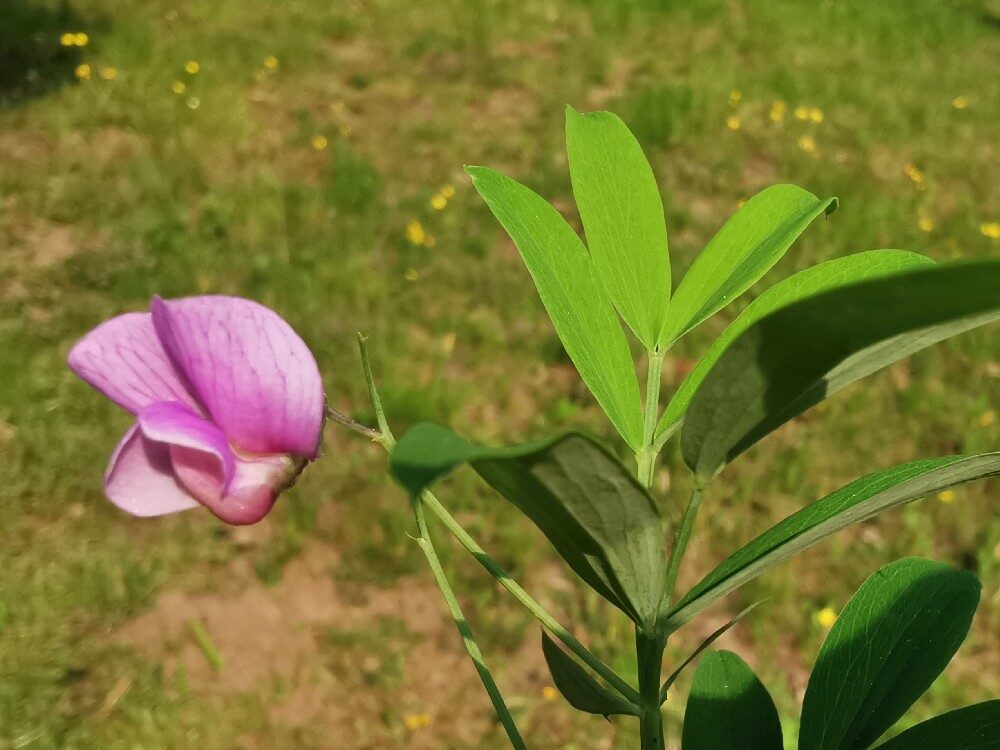
Lathyrus linifolius montanus - (Bernh.)Bässler.
Bitter Vetch