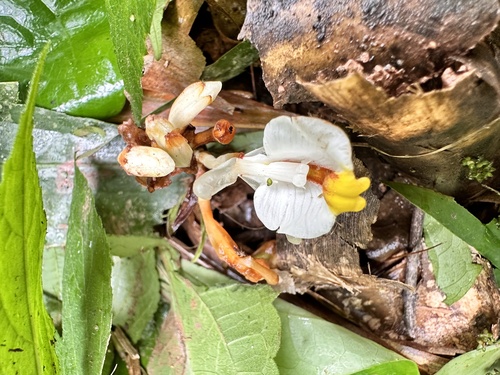
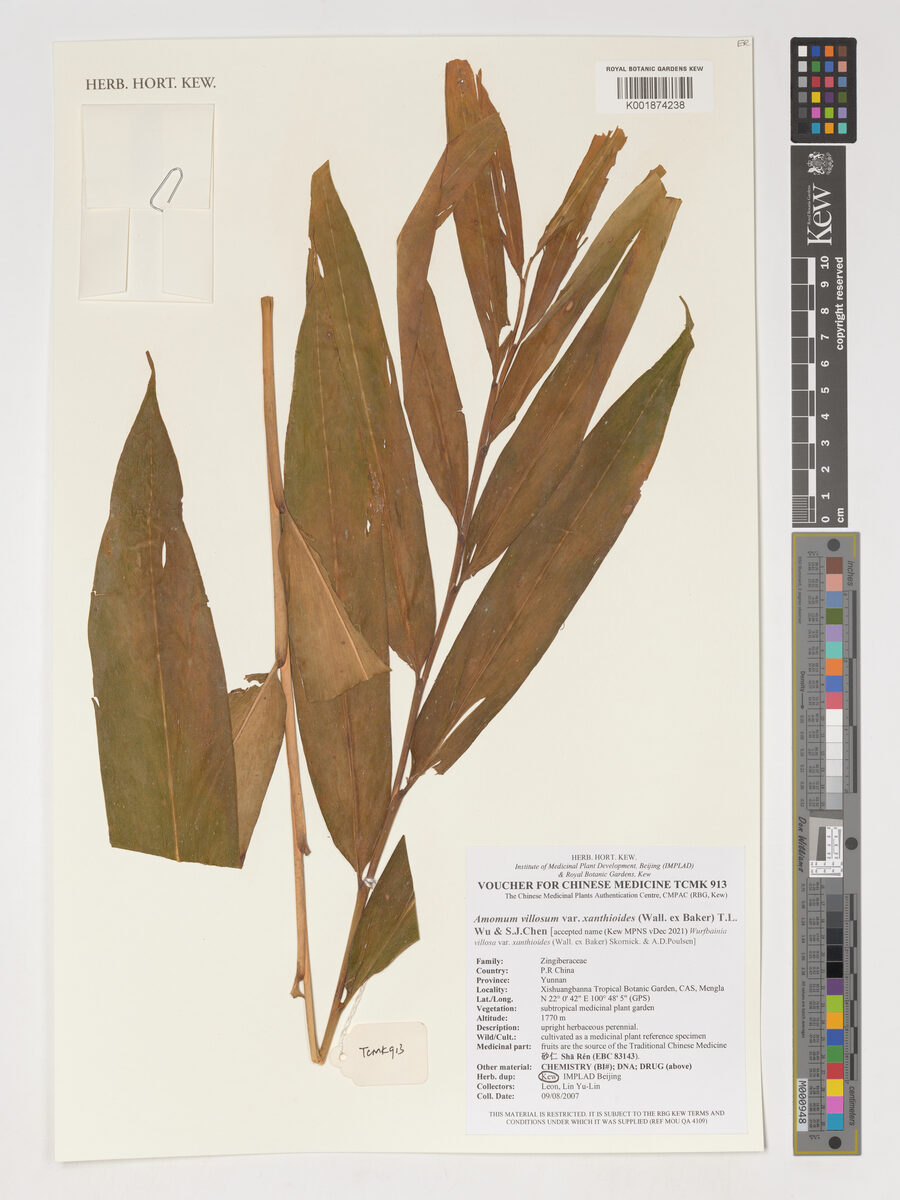
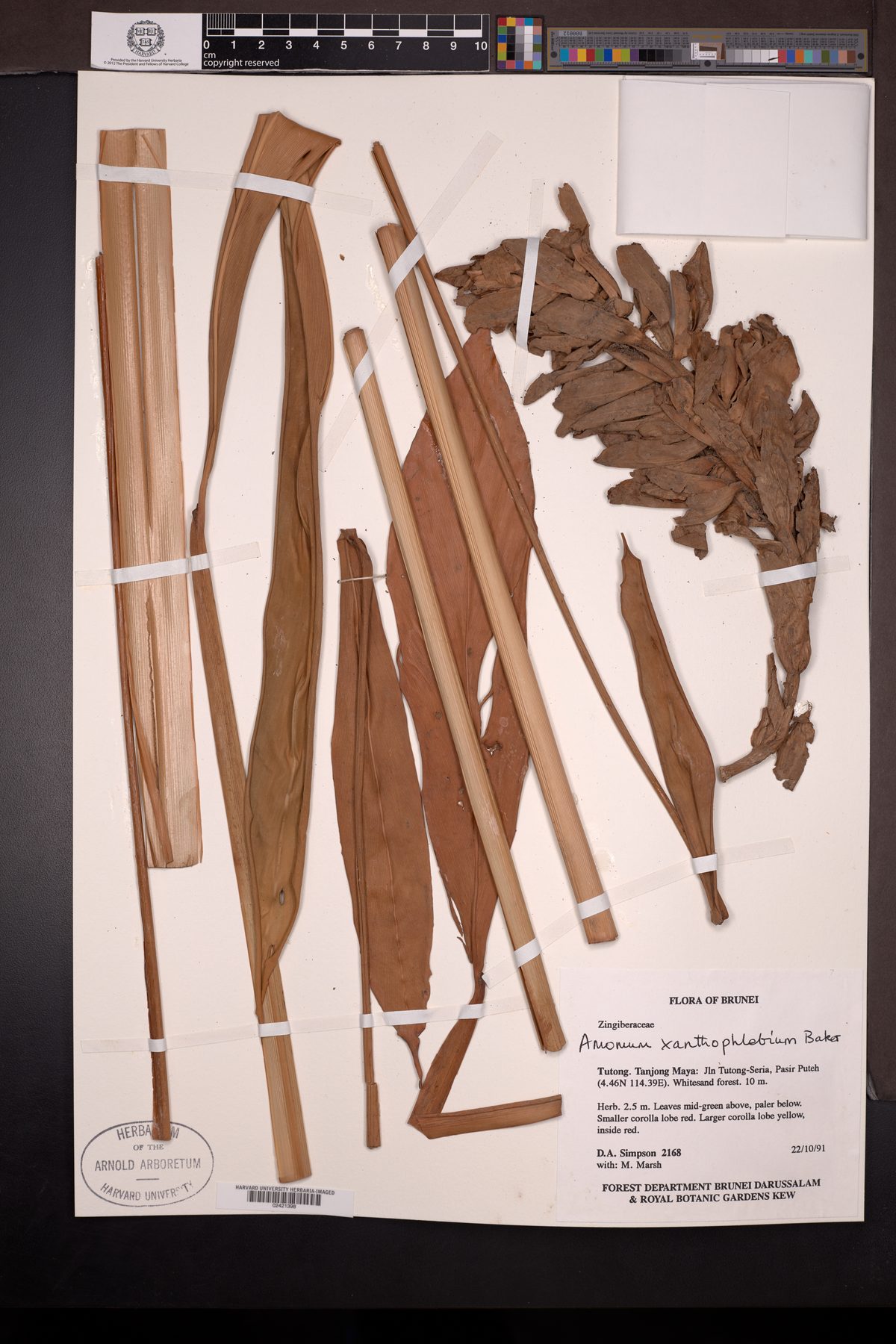
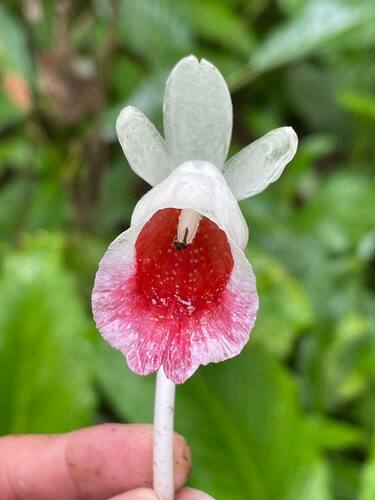
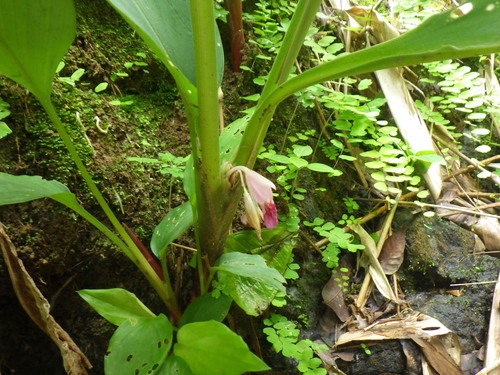
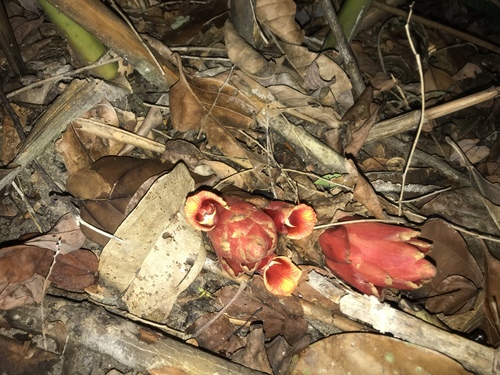
Cautleya spicata - (J.M.Sm.)Bak.
(J.M.Sm.)Bak.
gbif· cc-by-nc
雅微
gbif· cc-by-nc
雅微
gbif· cc-by-nc
雅微
Description
Cautleya spicata is a PERENNIAL growing to 1 m (3ft 3in). See above for USDA hardiness. It is hardy to UK zone 8 and is frost tender. The species is hermaphrodite (has both male and female organs). Suitable for: light (sandy) and medium (loamy) soils and prefers well-drained soil. Suitable pH: mildly acid, neutral and basic (mildly alkaline) soils. It can grow in semi-shade (light woodland) or no shade. It prefers moist soil.
Edible Uses
The pith of the stem is eaten as a vegetable.
Medicinal Uses
Stomachic. The juice of the rhizome is used in the treatment of stomach disorders.
Distribution
E. Asia - Himalayas.
Where It Grows
TEMPERATE ASIA: China (Guizhou Sheng, Sichuan Sheng, Xizang Zizhiqu, Yunnan Sheng) TROPICAL ASIA: Bhutan, India (Sikkim), Nepal
Cultivation
Requires a sheltered sunny position in a well-drained soil. This species is not very cold hardy, tolerating temperatures down to about -5°c. It can succeed outdoors in the milder areas of Britain, especially if given the protection of a south or west facing wall.
Propagation
Seed - best sown as soon as it is ripe in a warm greenhouse at 18°c. Prick out the seedlings into individual pots when they are large enough to handle and grow them on for at least their first winter in the greenhouse. Plant out in late spring after the last expected frosts. Division as growth commences in the spring. Dig up the clump and divide it with a sharp spade or knife, making sure that each division has a growing shoot. Larger clumps can be planted out direct into their permanent positions, but it is best to pot up the smaller divisions and grow them on in a greenhouse until they are established. Plant them out in the summer or late in the following spring.