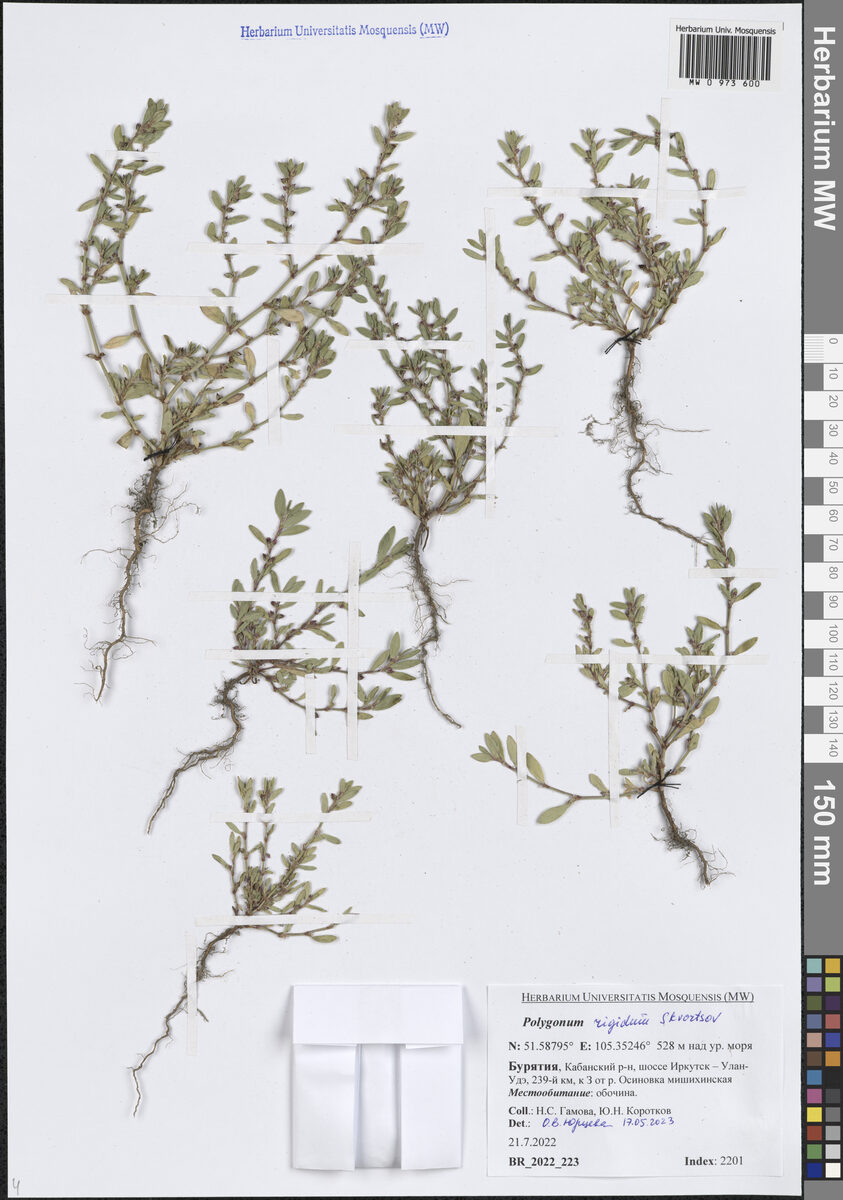
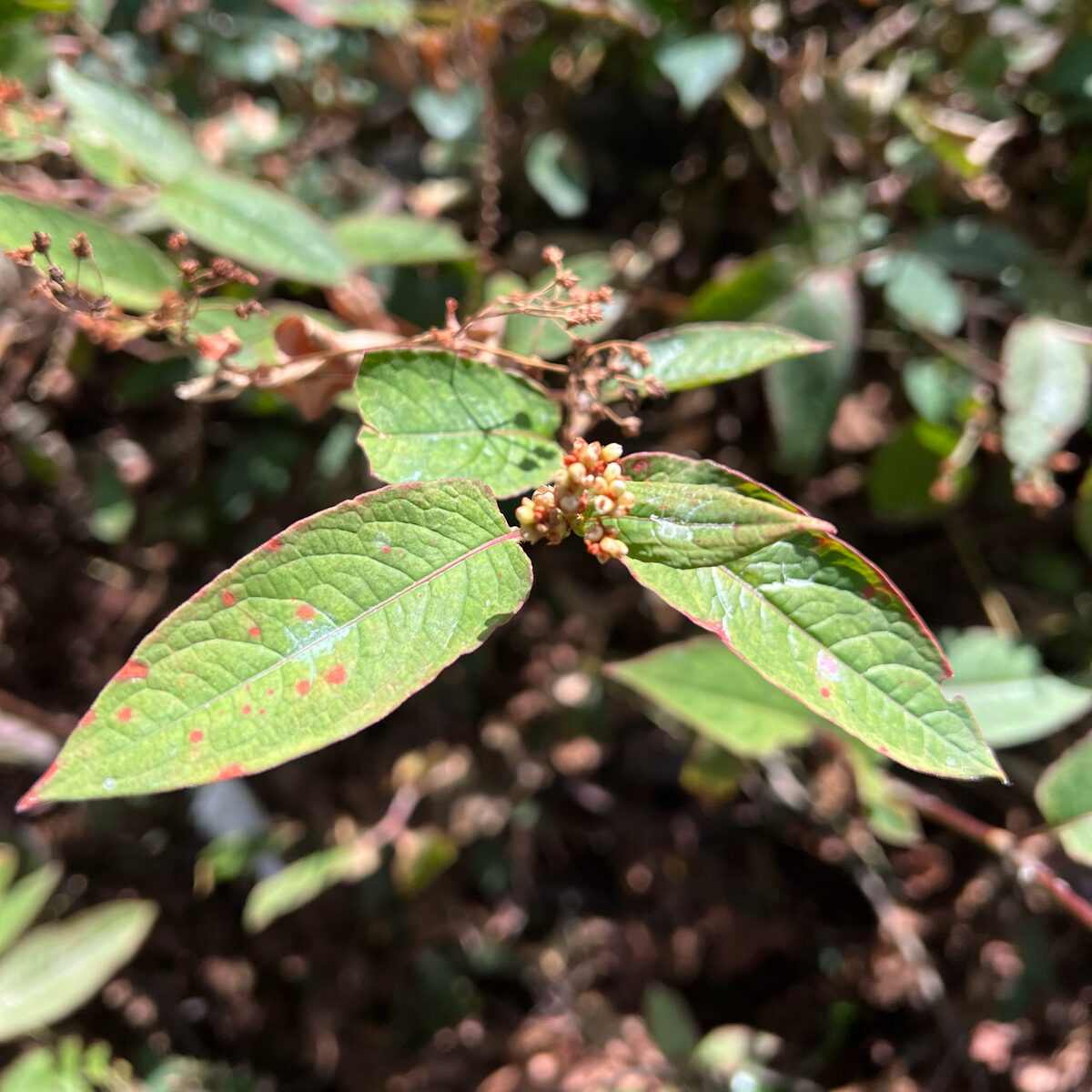
Rumex acetosella subsp. acetoselloides
(Balansa) Den Nijs
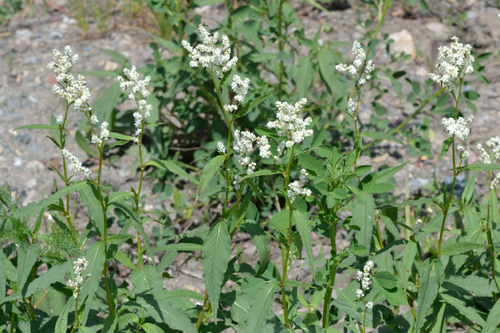
iNaturalist· cc-by-nc
(c) Matt, some rights reserved (CC BY-NC)
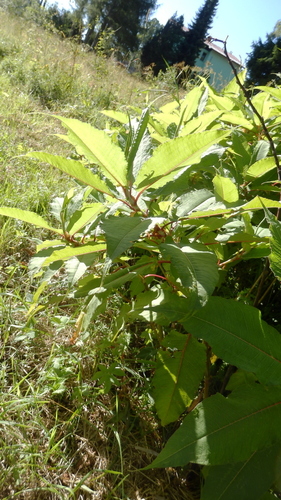
iNaturalist· cc-by-sa
(c) Agnieszka Kwiecień, Nova, some rights reserved (CC BY-SA)
Summary
Source: WikipediaRumex acetosella, commonly known as red sorrel, sheep's sorrel, field sorrel and sour weed, is a species of flowering plant in the buckwheat family Polygonaceae. Native to Eurasia including the British Isles, the plant and its subspecies are common perennial weeds. It has green arrowhead-shaped leaves and red-tinted deeply ridged stems, and it sprouts from an aggressive and spreading rhizome. The flowers emerge from a tall, upright stem. Female flowers are maroon in color.
Description
A herb.
This description is brief — help expand it
Edible Uses
The leaves can be eaten raw or cooked, with the water changed to reduce its strong taste. The oxalic acid they contain lend them a somewhat sour taste. There are several uses of sheep sorrel in the preparation of food including a garnish, a tart flavoring agent, a salad green, and a curdling agent for milk in cheese-making. The leaves have a lemony, tangy or rhubarb-like tart flavor.
Traditional Uses
The leaves are used as snacks and in soups and pies. They are also dried and preserved.
This uses section is brief — help expand it
Known Hazards
The plant contains oxalic acid and derivatives, known as oxalates.
Distribution
It is a temperate plant.
Where It Grows
Armenia, Caucasus,
Synonyms
Also Known As
Stupitsas, Ttu lavash
References (1)
- Pieroni, A., et al, 2020, Wild food plants traditionally gathered in central Armenia: archaic ingredients or future sustainable foods? Environment, Development and Sustainability. Springer p 11