Aquilegia shockleyi
Eastw.
iNaturalist· cc-by
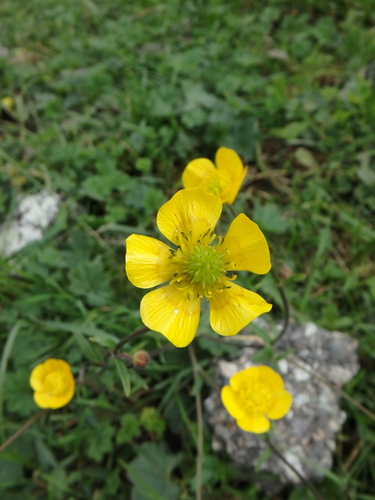
(c) Jim Morefield, some rights reserved (CC BY)
iNaturalist· cc-by
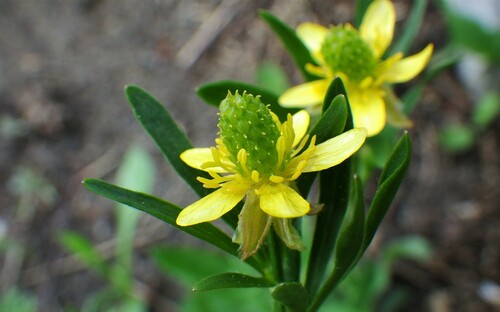
(c) Jim Morefield, some rights reserved (CC BY)
iNaturalist· cc-by
(c) Jim Morefield, some rights reserved (CC BY), uploaded by Jim Morefield
Description
Aquilegia shockleyi is a PERENNIAL growing to 0.8 m (2ft 7in). See above for USDA hardiness. It is hardy to UK zone 7. It is in flower from April to June. The species is hermaphrodite (has both male and female organs) and is pollinated by Bees. Suitable for: light (sandy) and medium (loamy) soils and prefers well-drained soil. Suitable pH: mildly acid, neutral and basic (mildly alkaline) soils. It can grow in semi-shade (light woodland) or no shade. It prefers moist soil.
Edible Uses
Flowers - raw. Rich in nectar, they are sweet and delightful, they make a very attractive addition to mixed salads and can also be used as a thirst-quenching munch in the garden.
Medicinal Uses
Antispasmodic Diaphoretic Parasiticide Parasiticide Resolvent Salve. Antispasmodic, diaphoretic, parasiticide, resolvent, salve.
Known Hazards
Although no records of toxicity have been seen for this species, it belongs to a family that contains a number of mildly toxic species. It is therefore wise to exercise some caution. The flowers are probably perfectly safe to eat.
Distribution
South-western N. America - California and Nevada.
Where It Grows
NORTHERN AMERICA: United States (California (east), Nevada (south))
Cultivation
Succeeds in ordinary garden soil, preferring a moist but not wet soil and a sunny position. Intolerant of heavy clay. Most species are short-lived, dying out after 2 - 3 years, though they usually produce seed prolifically. However, they are very apt to hybridize with other members of the genus and so it becomes difficult to keep a species true to type if more than one is grown in the garden. Plants seem to be immune to the predations of rabbits. A greedy plant, inhibiting the growth of nearby plants, especially legumes.
Propagation
Seed - best sown as soon as it is ripe in a cold frame. The seed can be slow to germinate. Stored seed can be sown in late winter in a cold frame. When large enough to handle, prick the seedlings out into individual pots and grow them on in a cold frame for their first winter. Plant out in late spring or early summer. Division in spring.
Other Uses
Parasiticide Parasiticide. The seed is used as a parasiticide to rid the hair of lice.