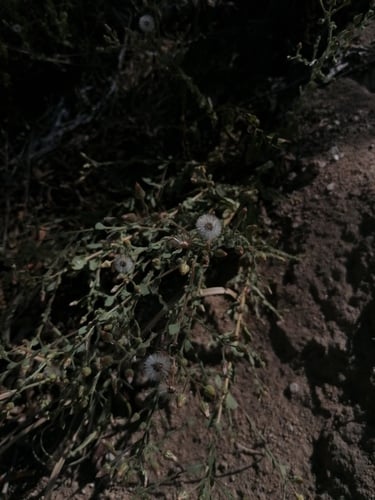
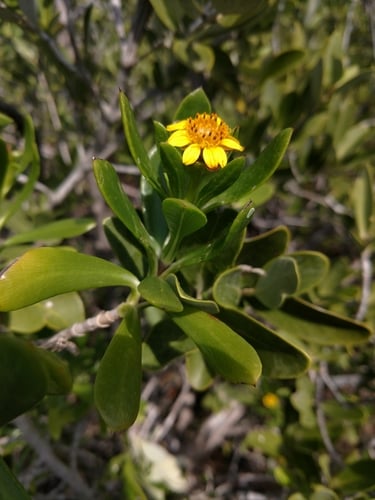
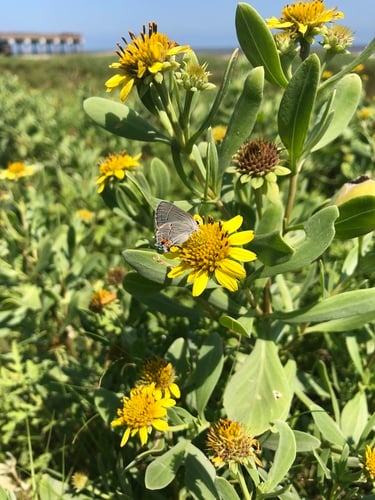
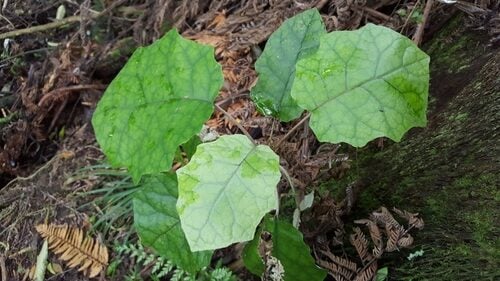
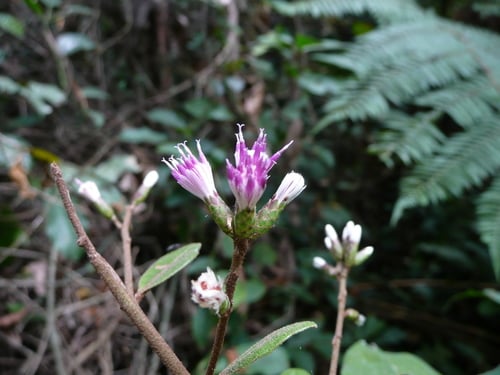
Ageratina aromatica
(L.) Spach
Lesser Snakeroot, Mata
iNaturalist· cc0
no rights reserved, uploaded by Becky Dill
iNaturalist· cc-by-nc
(c) Dan Spaulding, some rights reserved (CC BY-NC), uploaded by Dan Spaulding
iNaturalist· cc-by-nc
(c) Janet Wright, some rights reserved (CC BY-NC), uploaded by Janet Wright
Summary
Source: WikipediaAgeratina aromatica, also known as lesser snakeroot and small-leaved white snakeroot, is a North American species of plants in the family Asteraceae. It is widespread and common across much of the eastern and southern United States from Louisiana to Massachusetts, as far inland as Kentucky and Ohio.
Description
Ageratina aromatica is a perennial growing to 1.5 m (5 ft). Hardy to UK zone 4. The hermaphroditic plant is insect-pollinated and self-fertile. It adapts to light sandy, medium loamy, or heavy clay soils with good drainage across mildly acidic, neutral, or basic pH ranges. Grows in semi-shade or full sun and prefers moist conditions.
Edible Uses
One report notes that the root is aromatic and suggests it may be edible.
Traditional Uses
The roots are possibly edible.
This uses section is brief — help expand it
Medicinal Uses
The plant is antispasmodic, diaphoretic, diuretic, and expectorant. It is used in the treatment of inflammation and irritability of the bladder, ague, pulmonary diseases, stomach complaints, and nervous diseases.
Distribution
It is a temperate plant. It grows naturally in dry woods, thickets and clearings in Eastern North America.
Where It Grows
North America, USA,
Cultivation
Plants can be grown from seed. The seed should be just lightly covered with soil. Seedlings can be transplanted when large enough to handle. Plants can be grown by division of the clump.
Propagation
Sow seed in spring in a cold frame, barely covering it. When large enough to handle, prick seedlings out into individual pots and plant out during summer. Can also be propagated by division in spring.
Other Uses
None known.
Other Information
Low
Notes
There are about 240 Ageratina species.
Synonyms
References (1)
- Plants for a Future database, The Field, Penpol, Lostwithiel, Cornwall, PL22 0NG, UK. http://www.scs.leeds.ac.uk/pfaf/