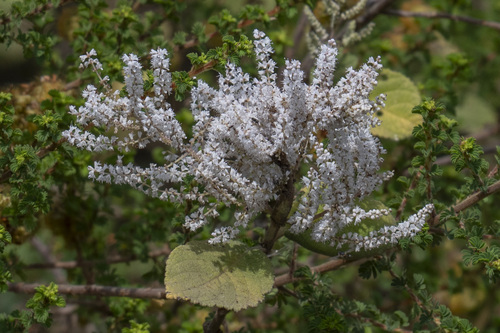
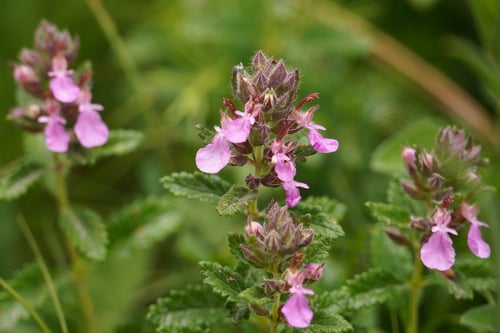
Satureja cilicica
P.H.Davis
Cilician Savory
gbif· cc-by
GBIF
Description
Satureja cilicica is an evergreen Shrub growing to 0.3 m (1ft) by 0.3 m (1ft in) at a medium rate. See above for USDA hardiness. It is hardy to UK zone 7 and is not frost tender. The flowers are pollinated by Bees, Butterflies, Insects. The plant is self-fertile. It is noted for attracting wildlife. Suitable for: light (sandy) and medium (loamy) soils, prefers well-drained soil and can grow in nutritionally poor soil. Suitable pH: neutral and basic (mildly alkaline) soils and can grow in very alkaline soils. It cannot grow in the shade. It prefers dry or moist soil and can tolerate drought.
Edible Uses
Cilician Savory (S. cilicica) flavour dishes, similar to other savory species and used in Middle Eastern cuisine. Savory is typically harvested for the best flavour in late spring to early summer, just before flowering. It usually flowers in summer.
Distribution
Eastern Mediterranean region
Where It Grows
Native to: Turkey.
Cultivation
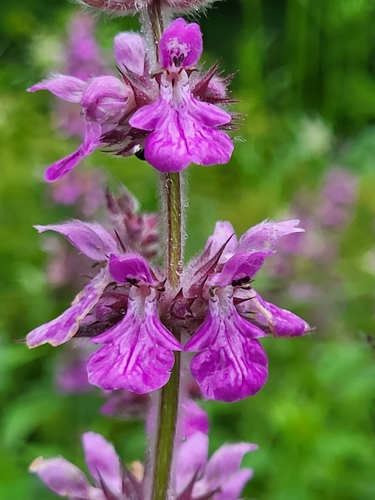
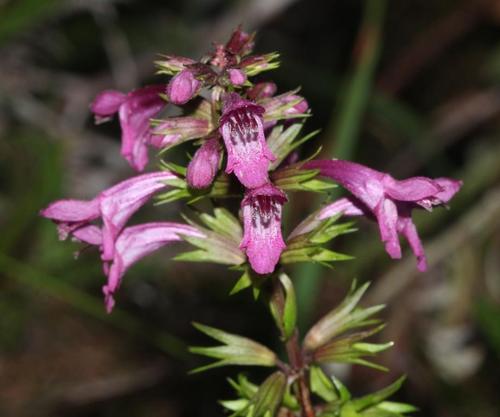
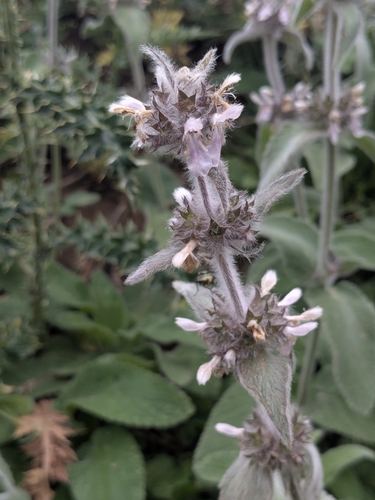
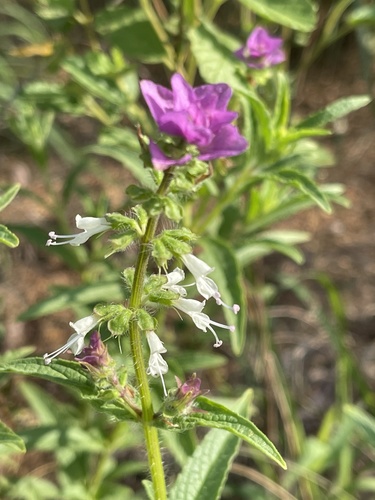
Soil Texture: It prefers light (sandy) and medium soils. It thrives in rocky or gravelly soils, reflecting its native habitat in mountainous regions. Soil Moisture: It grows well in dry to moderately moist soils. It is drought-tolerant and does not tolerate waterlogged conditions. Drainage: It requires well-drained soil. Poor drainage can lead to root rot, especially in heavy soils. Soil pH: Prefers neutral to alkaline soils (pH 7.0–8.5). Does not thrive in acidic soils. Saline Tolerance: Low tolerance for saline soils; best suited for inland or upland environments with low salinity. Tolerance of Poor Soil: It thrives in poor, nutrient-deficient soils, particularly in arid or rocky areas. Light Requirements: Requires full sun for optimal growth and flowering. Does not perform well in the shade. Height: Typically grows to about 20–30 cm (8–12 inches) tall, forming a low, bushy, spreading herb. Pollination: by bees, butterflies, and other insects attracted to its small, fragrant, pale lavender or white flowers. Temperature: Hardy in USDA zones 6–9. It tolerates high heat and is suited for Mediterranean and semi-arid climates. Drought Tolerance: Very drought-tolerant once established, making it ideal for xeriscaping and low-water gardens. Flowering: Produces small, tubular flowers in summer, which are ornamental and highly attractive to pollinators. Wildlife: Attracts pollinators such as bees and butterflies. Its dense, low-growing habit provides shelter for small insects. Pests and Diseases: Generally pest-free and disease-resistant. Overwatering can lead to fungal diseases or root rot. Pruning: Prune lightly after flowering to maintain compact shape and encourage fresh growth. The native range of this species is S. Türkiye. It is a subshrub and grows primarily in the subtropical biome. Habitat: Rocky slopes, limestone outcrops, and dry, open areas. Elevation: Often found at moderate to high altitudes in its native range. Climate: Thrives in Mediterranean climates with hot, dry summers and mild, wet winters.
Propagation
Savory can be propagated through seeds, cuttings, or division of established plants.
Other Uses
Ornamental. Satureja cilicica can be a good ground cover in the right conditions, particularly in dry, sunny areas. Advantages: Low-growing habit: It forms a dense mat that can effectively cover the ground. Drought tolerance: It thrives in well-drained soils and requires minimal water once established, making it suitable for xeriscaping. Fragrant foliage: Its aromatic leaves add sensory appeal and may help deter pests. Attracts pollinators: It produces small, attractive flowers beneficial to bees and other pollinators. Erosion control: Its spreading growth helps stabilise soil on slopes and rocky terrain. Nectary - Flowers rich in nectar and pollen: Savory flowers are rich in nectar and pollen, attracting pollinators, including bees and butterflies. Wildlife - Food (Fruit, Seeds, Leaf litter, Shelter, Nesting, Roosting): While the plant does not produce significant fruit, its leaves are edible and provide food for herbivores. The foliage can also offer shelter for small wildlife. Invertebrate Shelter (Overwintering sites, Leaf litter, Ground cover): The plant can provide overwintering sites for beneficial insects, and its ground cover can protect invertebrates during colder months. Pest Confuser (Smell): The aromatic scent of savory can help deter pests, making it a valuable companion plant in gardens.
Synonyms
Also Known As
Cilician Savory. Savory. Turkish Savory.