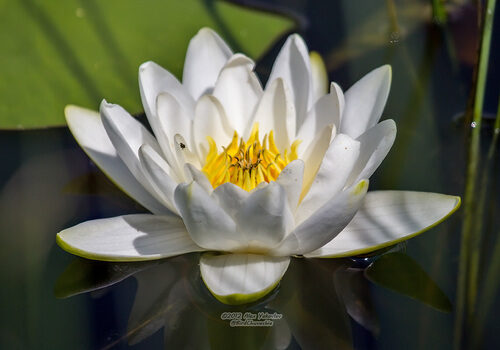
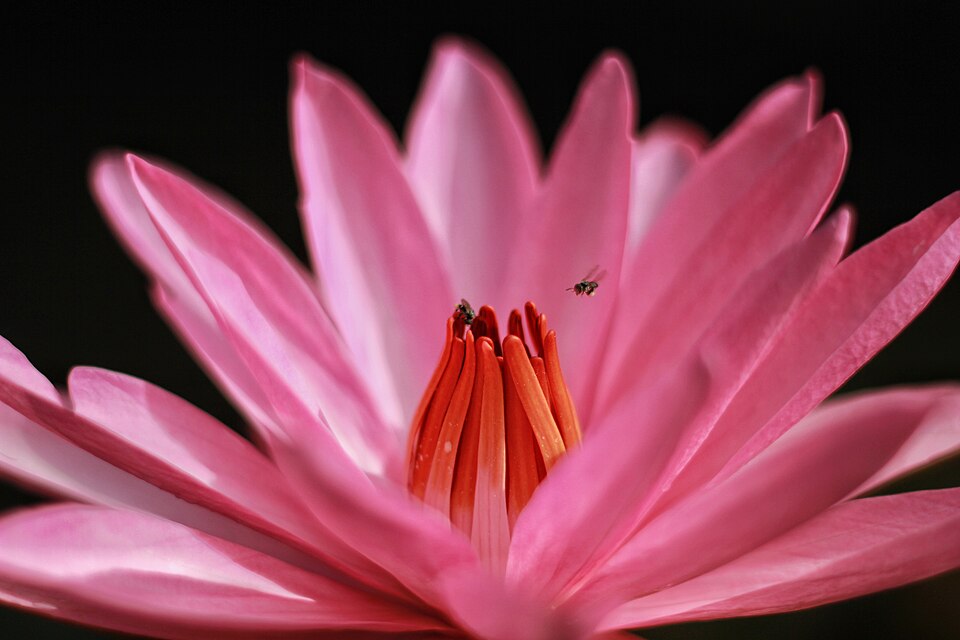
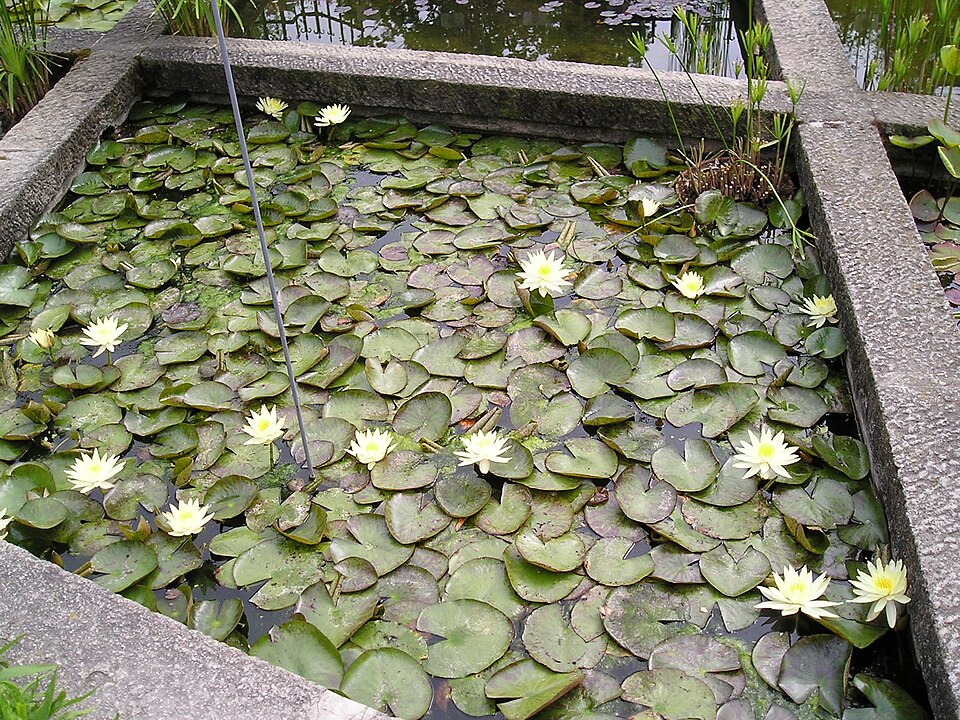
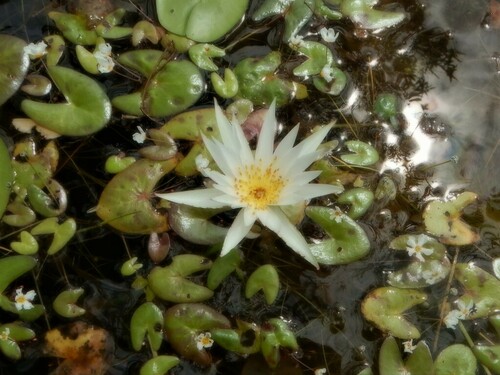
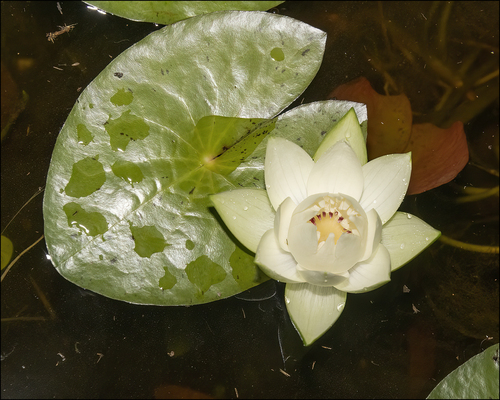
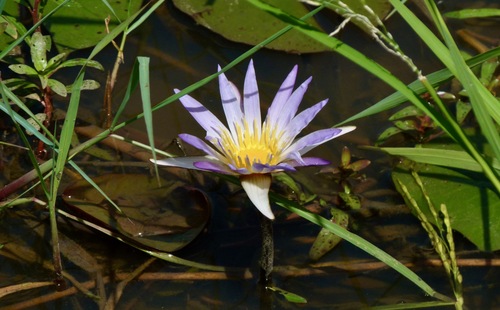
Nuphar pumila - (Timm.)DC.
(Timm.)DC.
Yellow pond-lily
gbif· cc-by-nc
小惠
gbif· cc-by-nc
Yan Xuyang
gbif· cc-by
Miljøstyrelsen
Description
Nuphar pumila is a PERENNIAL. It is in flower from July to August. The species is hermaphrodite (has both male and female organs) and is pollinated by Flies, beetles. Suitable for: light (sandy), medium (loamy) and heavy (clay) soils. Suitable pH: mildly acid, neutral and basic (mildly alkaline) soils and can grow in very acid soils. It can grow in semi-shade (light woodland) or no shade. It can grow in water.
Edible Uses
Drink. Seed. No more details have been seen for this plant, but since this plant is closely related to N. lutea it is quite possible that it can be used similarly. These uses are listed below. Root - cooked. An edible starch can be extracted from the root. A possible emergency food. The root has a bitter flavour - this bitterness can be removed by leaching the root in water. Leaves and leaf stalks - cooked. Seed - cooked. It can be ground into a powder and used in making bread and porridge, or for thickening soups etc. The seed can also be parched, when it swells considerably but does not burst like popcorn. It is then normally eaten dry. A refreshing drink is made from the flowers.
Medicinal Uses
Digestive Tonic. The root is a constructive tonic that benefits the digestive organs and increases body strength.
Distribution
Northern and central Europe, including Britain, to northern Asia.
Where It Grows
TEMPERATE ASIA: Russian Federation-Western Siberia (Western Siberia), Russian Federation-Eastern Siberia (Eastern Siberia), Mongolia, Russian Federation (Habarovskij kraj, Primorye, Amur, Kamcatskij kraj, Magadanskaja oblast, Sakhalin), China (Anhui Sheng, Fujian Sheng, Guangdong Sheng, Guangxi Zhuangzu Zizhiqu, Guizhou Sheng, Hebei Sheng, Heilongjiang Sheng, Henan Sheng, Hubei Sheng, Hunan Sheng, Jiangsu Sheng, Jiangxi Sheng, Jilin Sheng, Nei Mongol Zizhiqu, Xinjiang Uygur Zizhiqu, Zhejiang Sheng), Japan (Hokkaidô, Honshu, Kyushu) EUROPE: Denmark, Finland, United Kingdom (England, Scotland), Norway, Sweden, Austria, Switzerland, Czech Republic, Poland, Russian Federation (European part), Belarus, Estonia, Lithuania, Latvia, Spain (northwest), France
Cultivation
A water plant requiring a sunny position. Succeeds in very poor acid waters in the wild. It is best if grown in still water at least 30cm deep but it also tolerates slow moving water. Succeeds in light shade. This species is closely related to N. lutea.
Propagation
Seed - sow as soon as it is ripe in a greenhouse in pots submerged under 25mm of water. Prick out into individual pots as soon as the first true leaf appears and grow them on in water in a greenhouse for at least two years before planting them out in late spring. The seed is collected by wrapping the developing seed head in a muslin bag to avoid the seed being lost. Harvest it 10 days after it sinks below the soil surface or as soon as it reappears. Division in May. Each portion must have at least one eye. Submerge in pots in shallow water until established.